
 Discipline · 6 min
What to say first when your child hits or bites
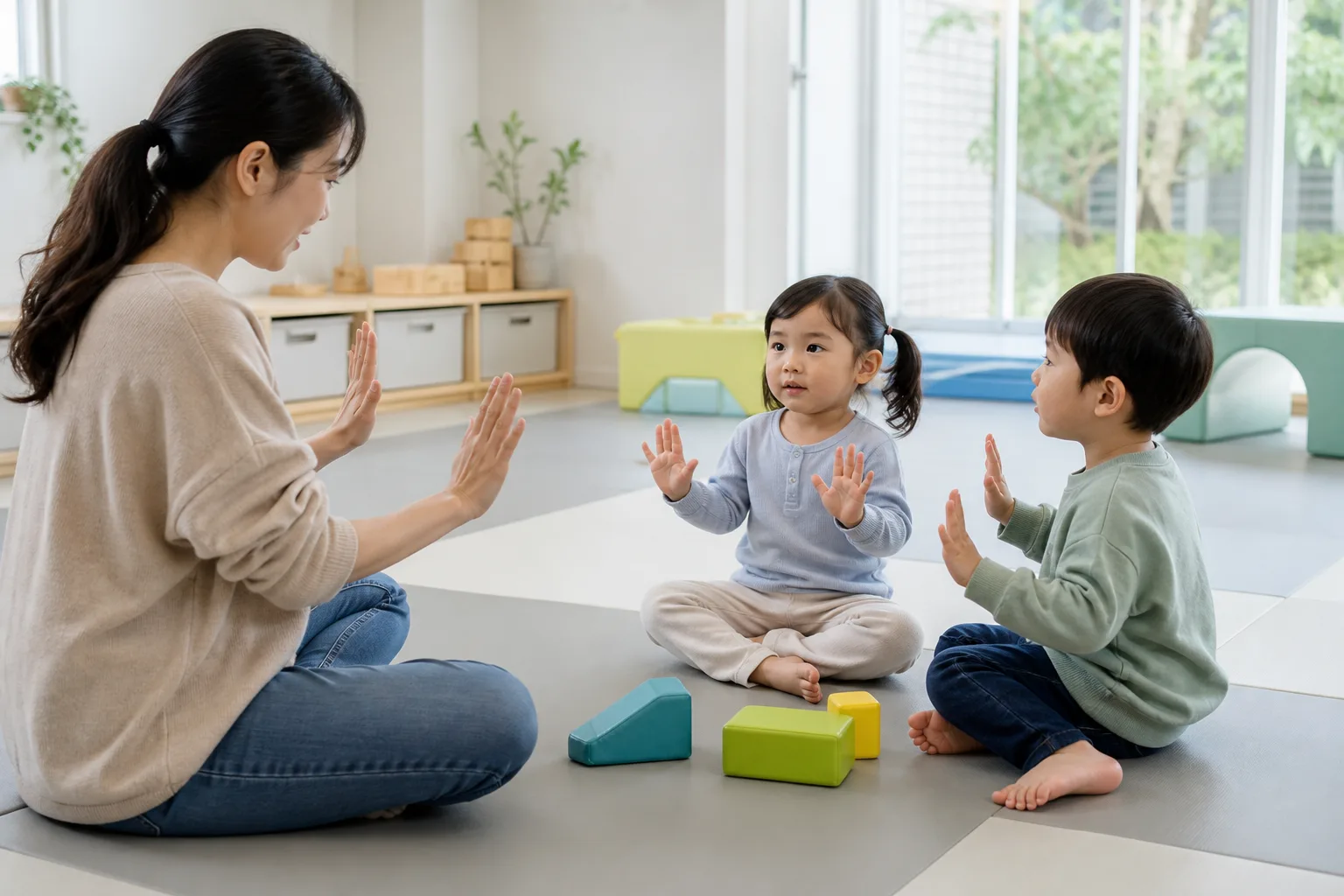
Start with a brief boundary that keeps everyone safe, rather than questions about why it happened. Say, "Stop. Hitting hurts. I won't let you hit," then care for the person who was hurt first.
Discipline · 6 min
What to say first when your child hits or bites
Start with a brief boundary that keeps everyone safe, rather than questions about why it happened. Say, "Stop. Hitting hurts. I won't let you hit," then care for the person who was hurt first.
Topic
Discipline
We prepare calm language that sets boundaries without shouting.
Discipline · 6 min
What to say first when your child hits or bites
Start with a brief boundary that keeps everyone safe, rather than questions about why it happened. Say, "Stop. Hitting hurts. I won't let you hit," then care for the person who was hurt first.
 Discipline · 6 min
What should you allow during a tantrum?
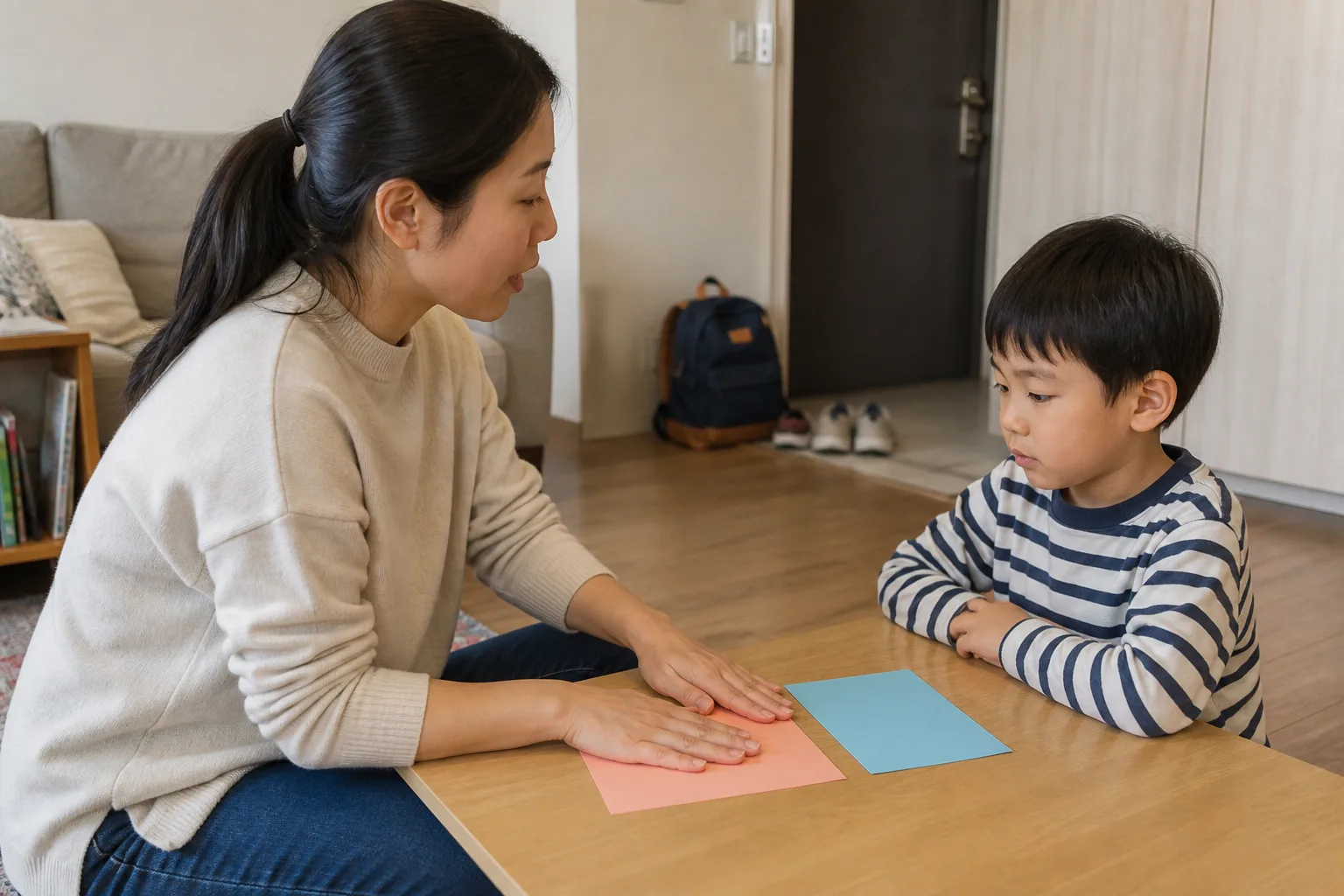
You do not need to stop crying or feelings of anger. Briefly and clearly stop actions that threaten safety or other people's rights, such as hurting someone or throwing objects.
Discipline · 6 min
What should you allow during a tantrum?
You do not need to stop crying or feelings of anger. Briefly and clearly stop actions that threaten safety or other people's rights, such as hurting someone or throwing objects.
 Discipline · 7 min
Should family members ask permission for touch and personal space?
Even family members can ask permission before hugs, kisses, entering a room, or using belongings. In emergencies and for hygiene or essential care, however, an adult may need to explain and provide the minimum care necessary.
Discipline · 7 min
Should family members ask permission for touch and personal space?
Even family members can ask permission before hugs, kisses, entering a room, or using belongings. In emergencies and for hygiene or essential care, however, an adult may need to explain and provide the minimum care necessary.
 Discipline · 5 min
Will giving choices make my child more stubborn?
Giving choices does not mean leaving every decision to your child. Adults set safety and time limits, then offer two options within them.
Discipline · 5 min
Will giving choices make my child more stubborn?
Giving choices does not mean leaving every decision to your child. Adults set safety and time limits, then offer two options within them.
 Discipline · 8 min
How much should you help when your child refuses to brush?
You do not need to force your child's mouth open or use shaming words because they dislike brushing. But a young child's oral hygiene is a health need that caregivers are responsible for. Match the toothpaste amount and hands-on help to age and ability, and consult a dentist about pain, bleeding, or sensory difficulties.
Discipline · 8 min
How much should you help when your child refuses to brush?
You do not need to force your child's mouth open or use shaming words because they dislike brushing. But a young child's oral hygiene is a health need that caregivers are responsible for. Match the toothpaste amount and hands-on help to age and ability, and consult a dentist about pain, bleeding, or sensory difficulties.
 Discipline · 7 min
How to make discipline decisions without physical punishment or shame
Discipline includes setting limits. Stop danger, state a brief boundary, then choose a related consequence, a way to make things right, and something to practice next time.
Discipline · 7 min
How to make discipline decisions without physical punishment or shame
Discipline includes setting limits. Stop danger, state a brief boundary, then choose a related consequence, a way to make things right, and something to practice next time.
 Discipline · 6 min
When rules keep getting broken
When repeating a rule changes nothing, it is easy to raise your voice. Name one action for one situation, decide what help and consequence you can provide, and follow through briefly.
Discipline · 6 min
When rules keep getting broken
When repeating a rule changes nothing, it is easy to raise your voice. Name one action for one situation, decide what help and consequence you can provide, and follow through briefly.
 Discipline · 9 min
Should you question your child right away about an obvious lie?
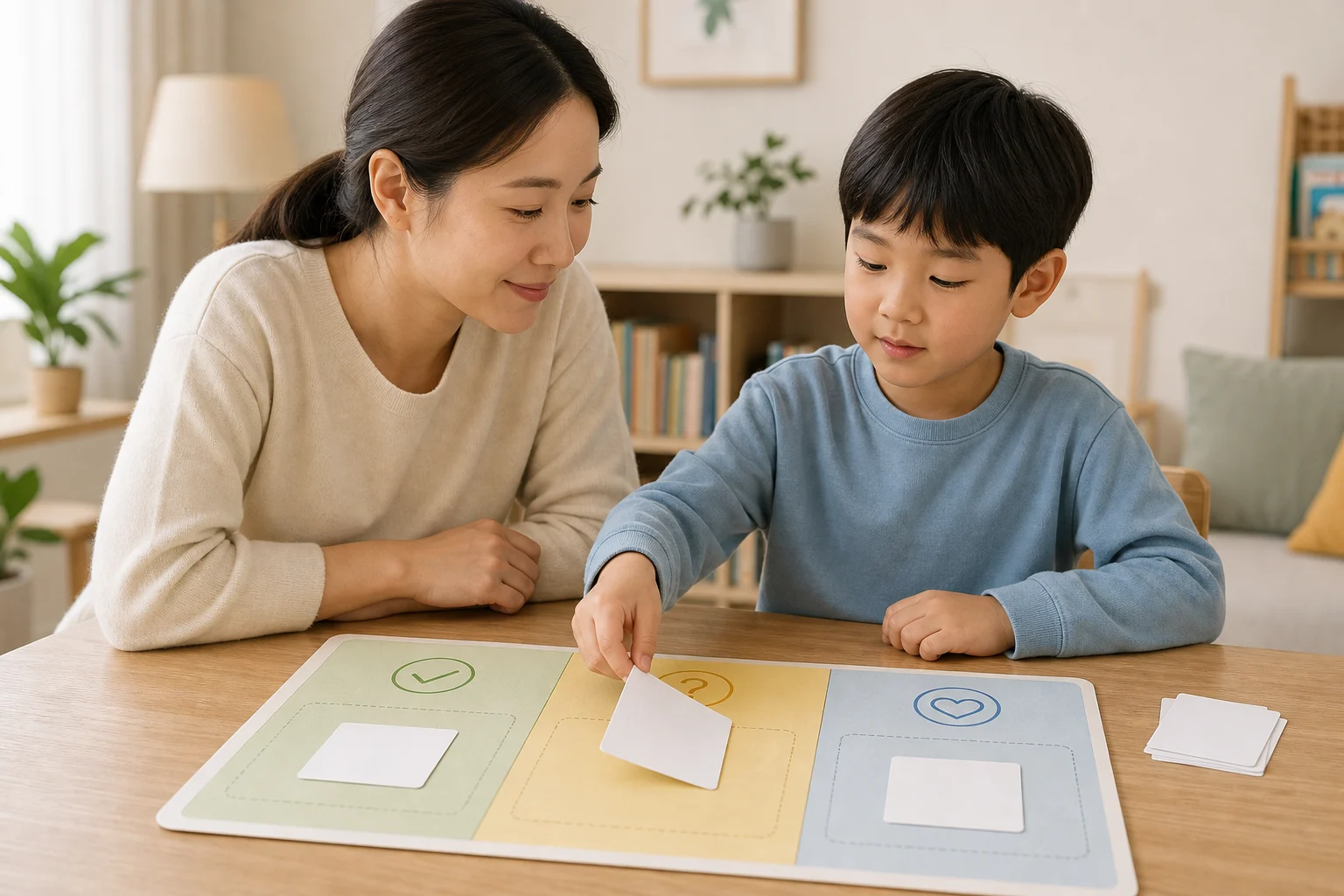
When water covers the floor and your child says, "I did not do it," focus on what you confirmed, what you still do not know, and the safety or repair needed instead of seeking a confession. Do not decide a child is lying from facial expressions or eye contact.
Discipline · 9 min
Should you question your child right away about an obvious lie?
When water covers the floor and your child says, "I did not do it," focus on what you confirmed, what you still do not know, and the safety or repair needed instead of seeking a confession. Do not decide a child is lying from facial expressions or eye contact.
 Discipline · 6 min
When and how should you give a child household chores?
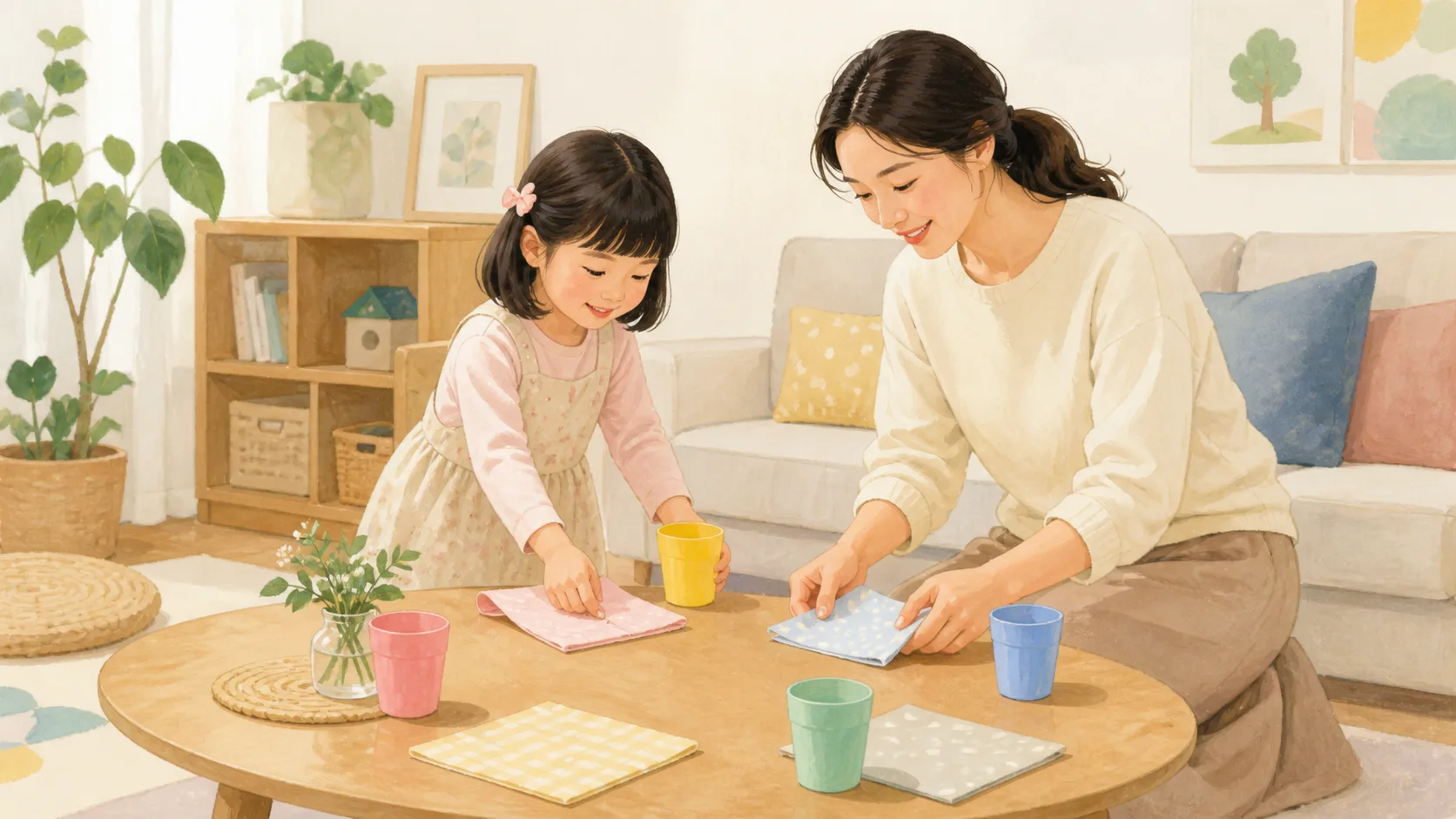
Chores are not tasks on an age chart to check off. They help a child gradually learn how a family lives together. Start together with one small step your child can do safely.
Discipline · 6 min
When and how should you give a child household chores?
Chores are not tasks on an age chart to check off. They help a child gradually learn how a family lives together. Start together with one small step your child can do safely.
 Discipline · 9 min
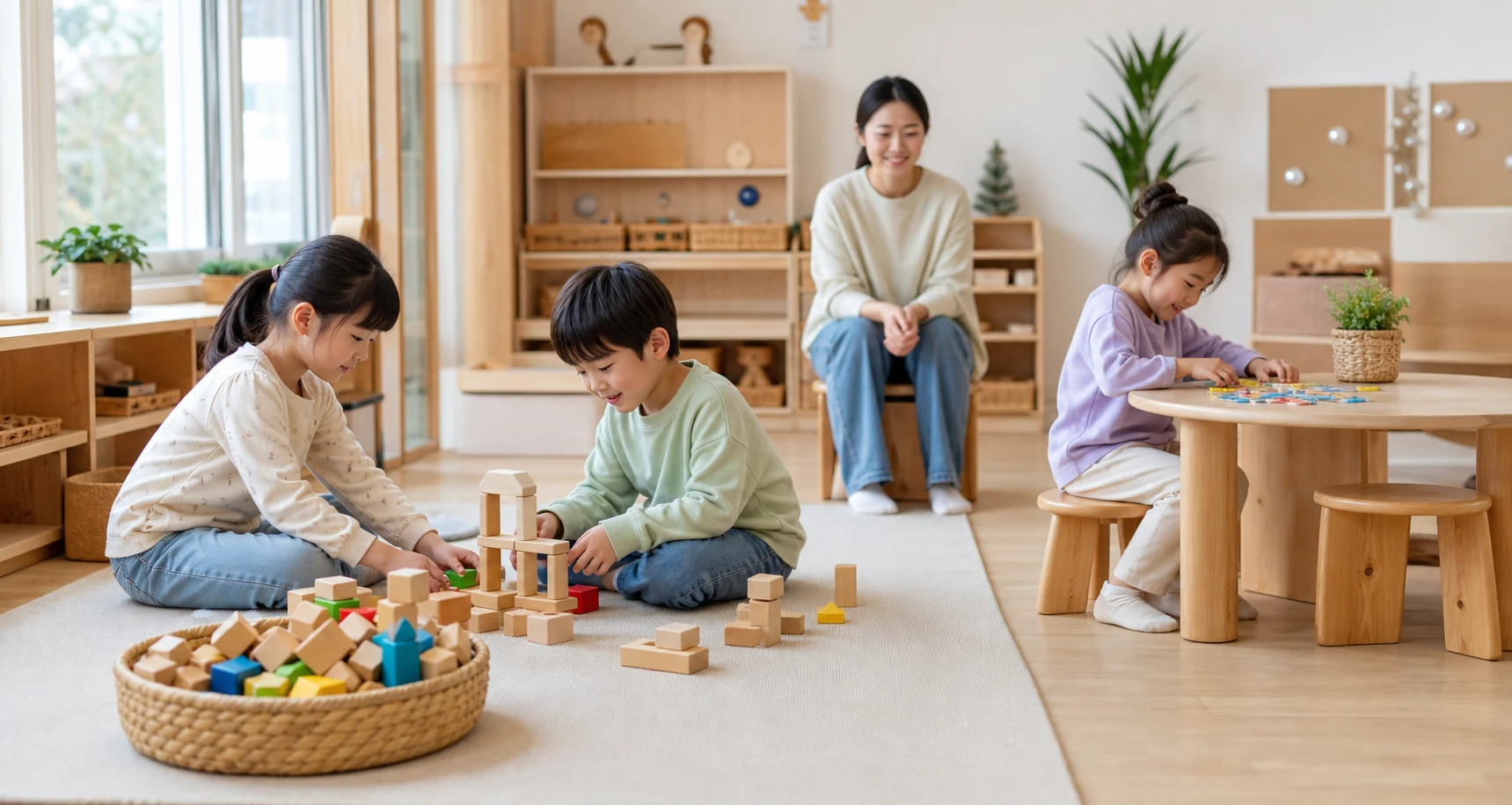
When your child tries to exclude another child from play
A child can choose to play alone or with a certain friend. But if a child is repeatedly isolated or others are told to exclude them, an adult should stop it and work with the school or care setting.
Discipline · 9 min
When your child tries to exclude another child from play
A child can choose to play alone or with a certain friend. But if a child is repeatedly isolated or others are told to exclude them, an adult should stop it and work with the school or care setting.
 Discipline · 7 min
When your child handles a pet roughly or chases it
When your child and pet spend time together, first make sure both can move away before trying to build closeness. If the animal seems uncomfortable or your child's hands become rough, separate them immediately before explaining. Wash bites and scratches right away and check when medical care is needed.
Discipline · 7 min
When your child handles a pet roughly or chases it
When your child and pet spend time together, first make sure both can move away before trying to build closeness. If the animal seems uncomfortable or your child's hands become rough, separate them immediately before explaining. Wash bites and scratches right away and check when medical care is needed.
 Discipline · 8 min
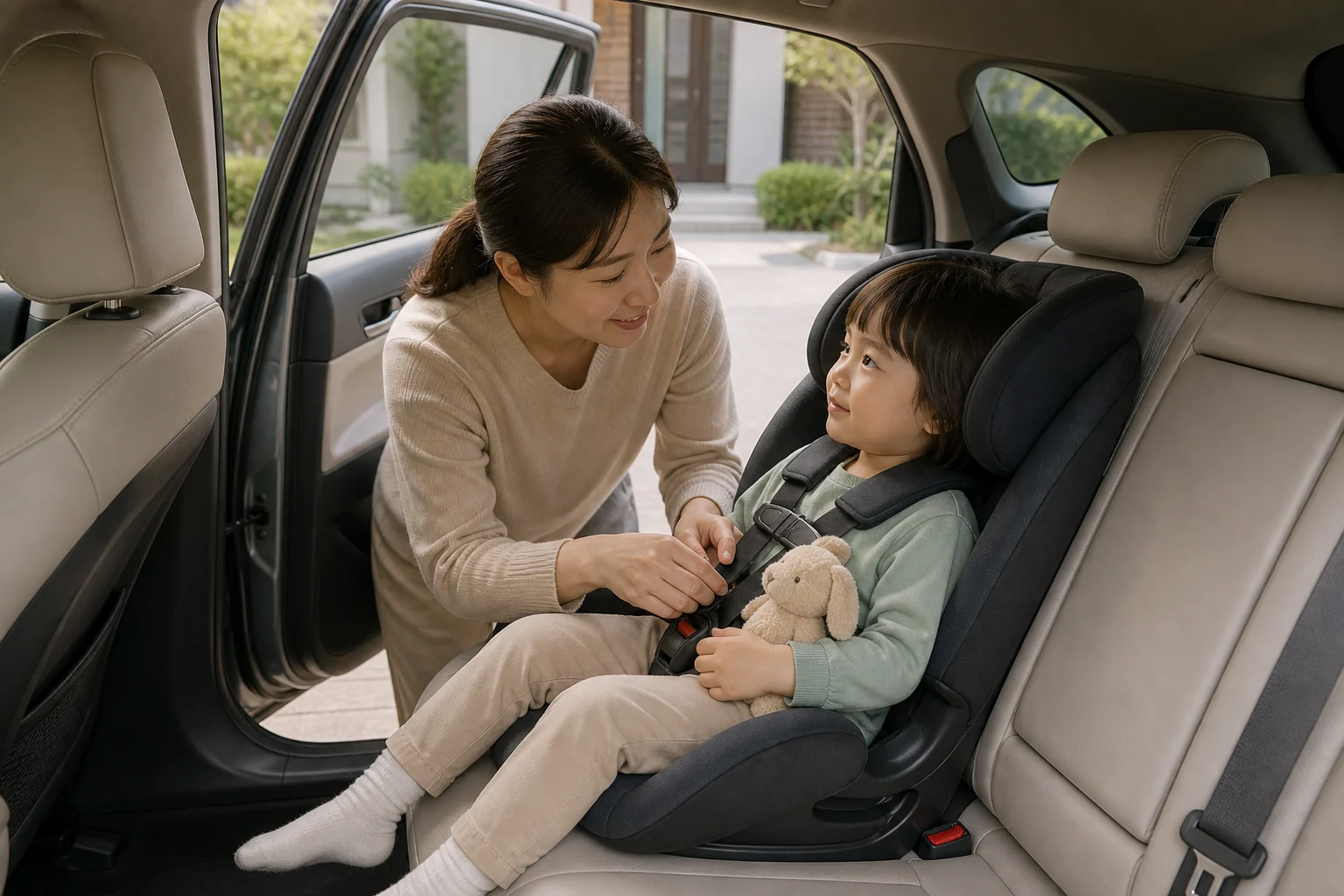
When your child refuses the car seat
Car seat refusal makes a rushed departure harder, but using a restraint is not open to negotiation. With the car fully stopped in a safe place, offer a small choice, then check the buckle and harness (the straps that hold your child) according to the manufacturer's instructions before driving.
Discipline · 8 min
When your child refuses the car seat
Car seat refusal makes a rushed departure harder, but using a restraint is not open to negotiation. With the car fully stopped in a safe place, offer a small choice, then check the buckle and harness (the straps that hold your child) according to the manufacturer's instructions before driving.
 Discipline · 8 min
When your child keeps teasing or using nicknames
If the other child is uncomfortable or asks for it to stop, stop the behavior on the spot even if your child meant it as a joke. Address the behavior and its impact instead of labeling your child, then practice what to say next time.
Discipline · 8 min
When your child keeps teasing or using nicknames
If the other child is uncomfortable or asks for it to stop, stop the behavior on the spot even if your child meant it as a joke. Address the behavior and its impact instead of labeling your child, then practice what to say next time.
 Discipline · 5 min
When your child keeps whining for the same thing
Give repeated requests a brief answer and a next opportunity, but check for pain, danger, and hunger first.
Discipline · 5 min
When your child keeps whining for the same thing
Give repeated requests a brief answer and a next opportunity, but check for pain, danger, and hunger first.
 Discipline · 6 min
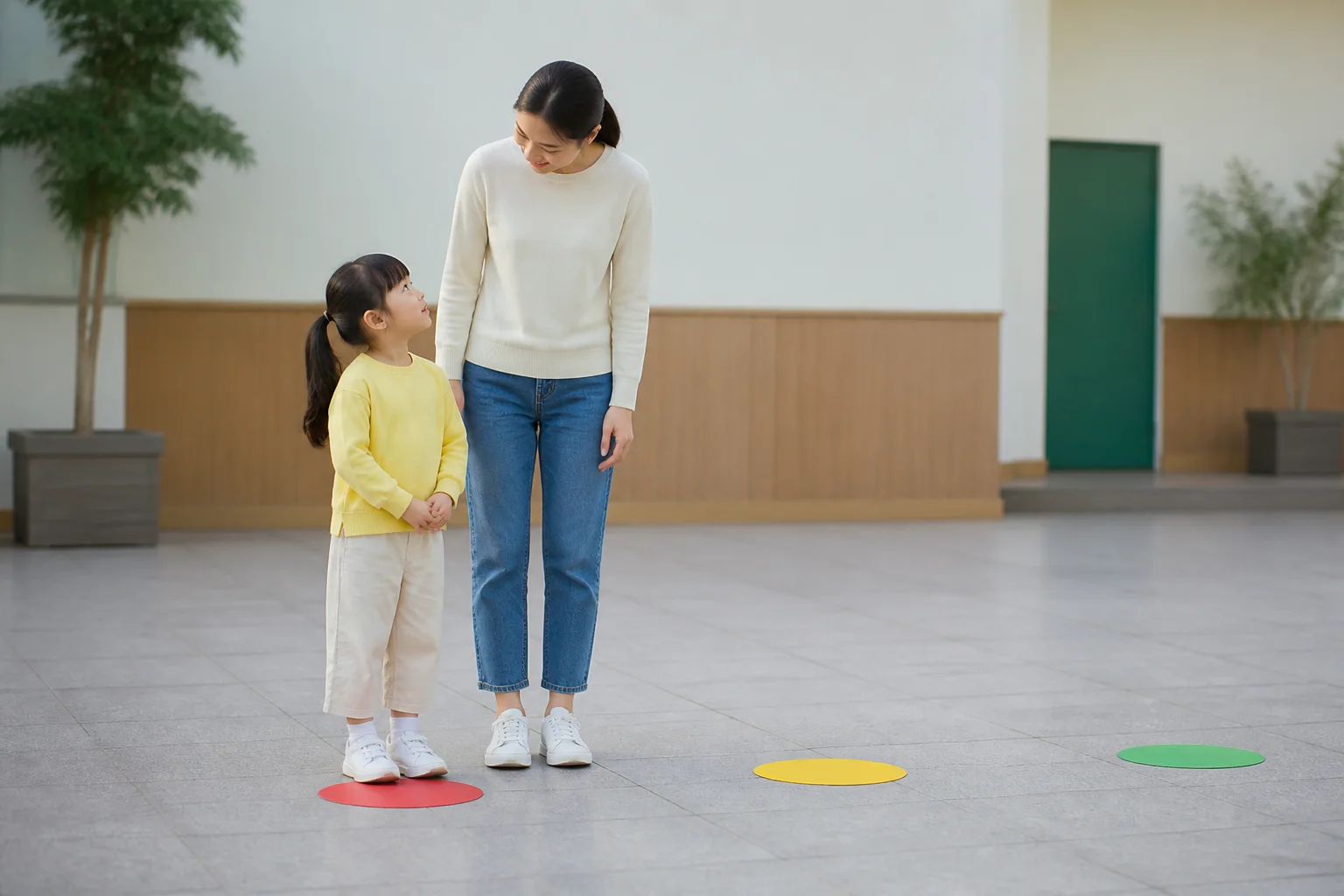
When your child lets go and runs in a parking lot or street
An adult must protect the child right away near roads and parking lots. Practice stopping at three points only in a place with no vehicles.
Discipline · 6 min
When your child lets go and runs in a parking lot or street
An adult must protect the child right away near roads and parking lots. Practice stopping at three points only in a place with no vehicles.
 Discipline · 9 min
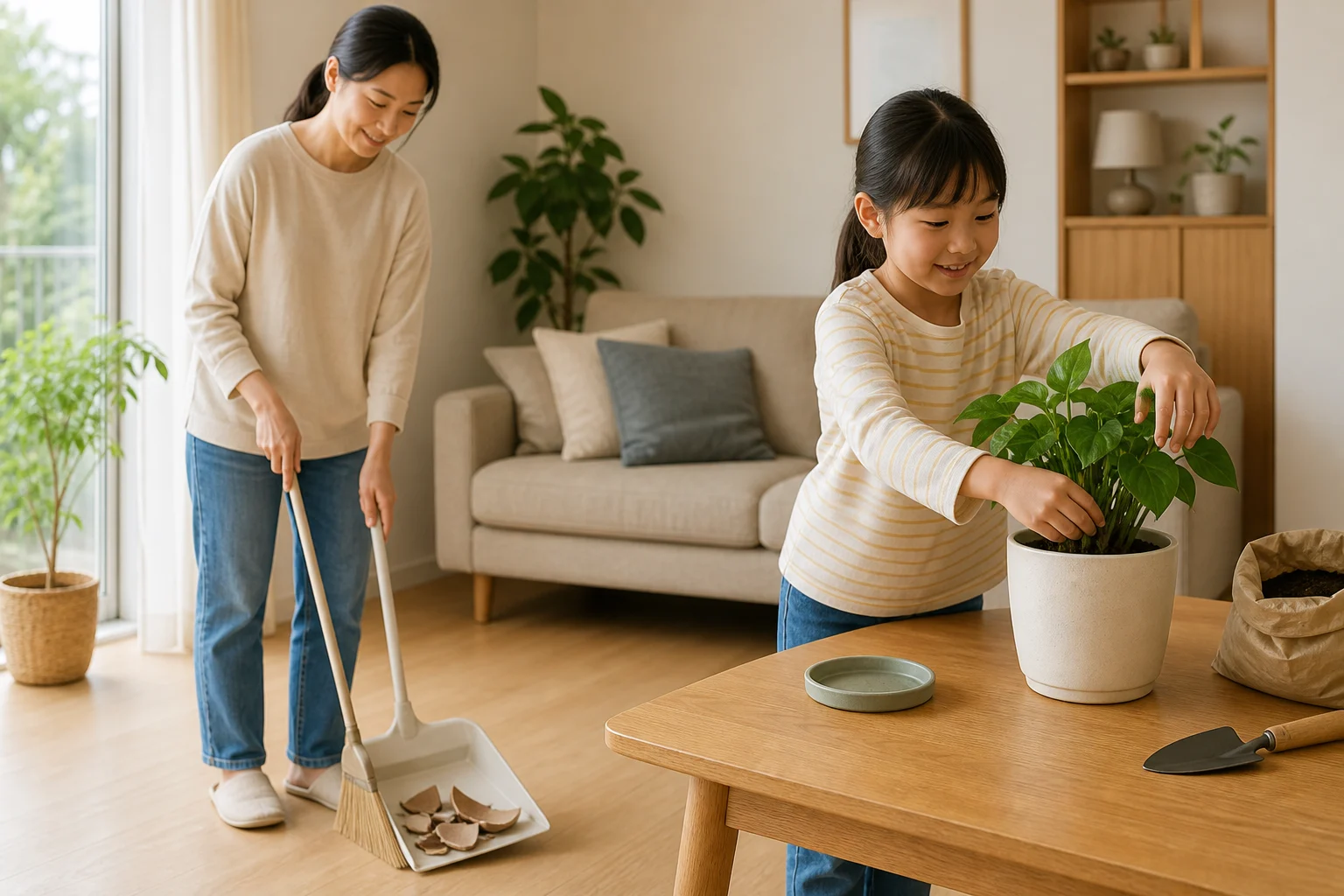
When it seems like your child broke something on purpose
When something breaks, move your child and others away from danger and check the broken object before asking, "Did you do that on purpose?" After everyone is calm, listen to what happened and connect one safe, age appropriate act of repair.
Discipline · 9 min
When it seems like your child broke something on purpose
When something breaks, move your child and others away from danger and check the broken object before asking, "Did you do that on purpose?" After everyone is calm, listen to what happened and connect one safe, age appropriate act of repair.
 Discipline · 6 min
When your child slams doors or hits walls in anger
Do not ignore hitting doors or walls. Move people and hazards apart, and choose a safe space and a short stop phrase.
Discipline · 6 min
When your child slams doors or hits walls in anger
Do not ignore hitting doors or walls. Move people and hazards apart, and choose a safe space and a short stop phrase.
 Discipline · 8 min
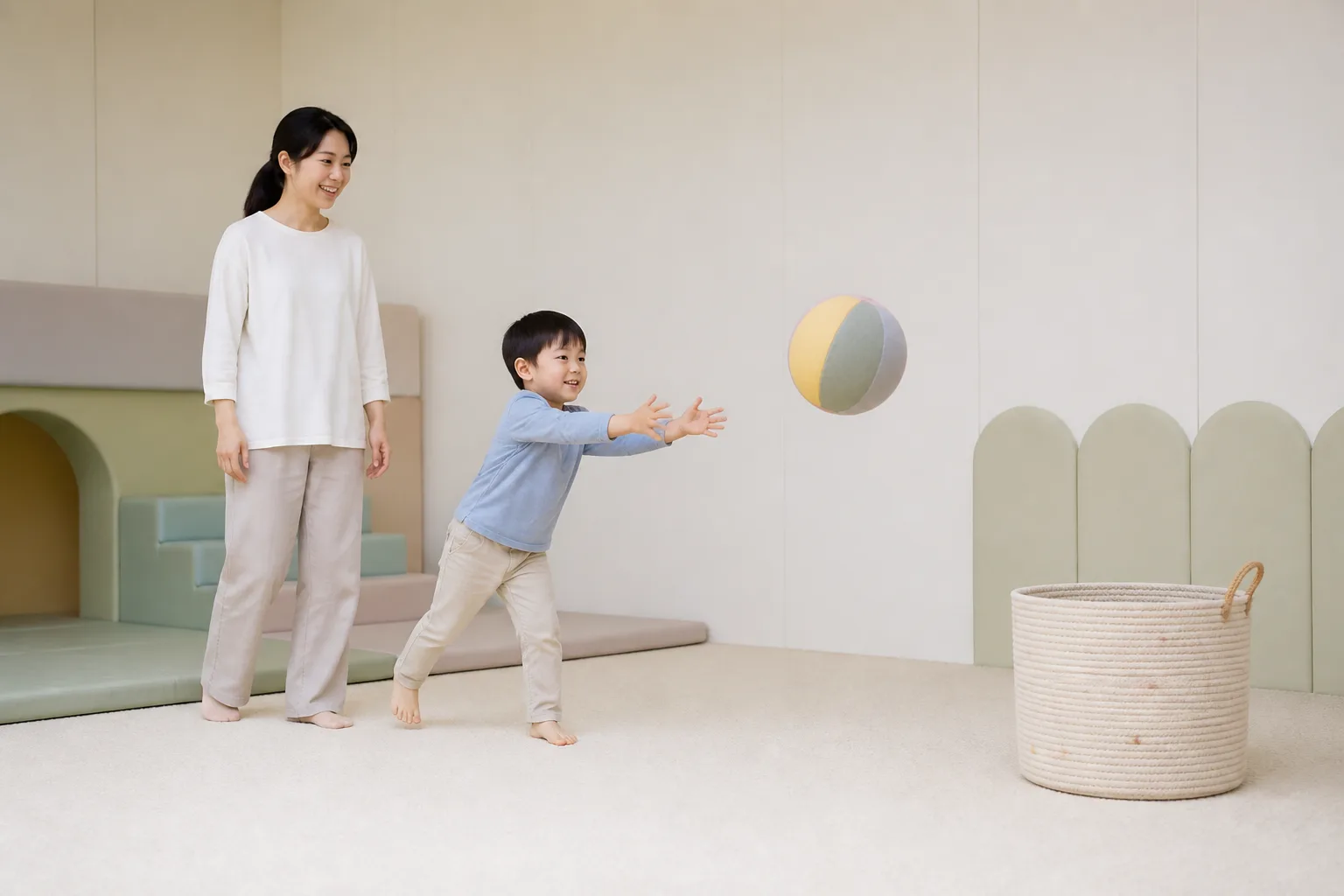
When your child throws toys or objects in anger
When an angry child throws something, accept the feeling while immediately blocking throws in dangerous directions. Put unsafe objects away, state the action to take briefly, then connect a safe alternative, such as throwing a soft ball only in a designated empty area, with repair.
Discipline · 8 min
When your child throws toys or objects in anger
When an angry child throws something, accept the feeling while immediately blocking throws in dangerous directions. Put unsafe objects away, state the action to take briefly, then connect a safe alternative, such as throwing a soft ball only in a designated empty area, with repair.
 Discipline · 9 min
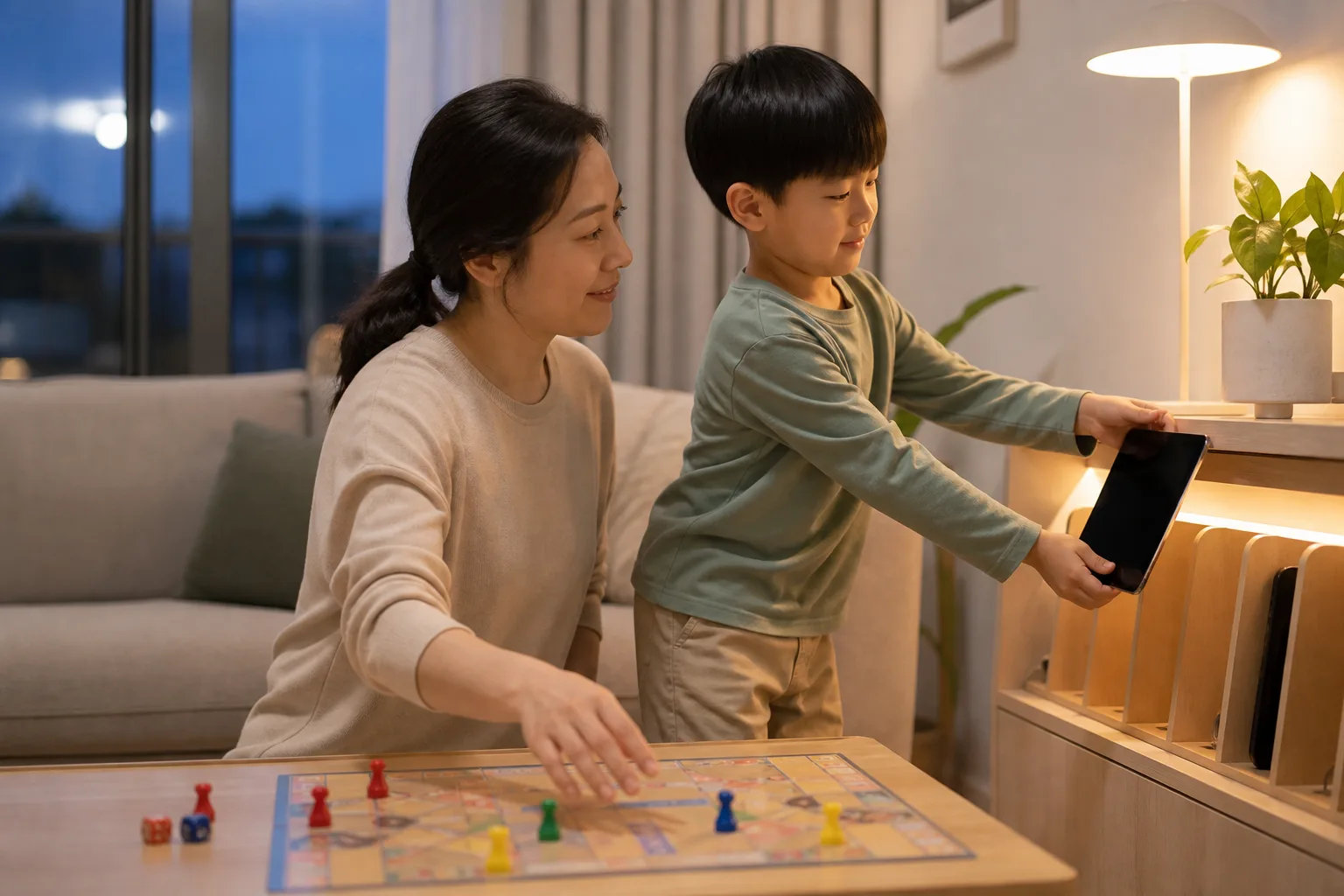
When stopping a video starts a fight
Fights over stopping a video may involve more than a child's willpower. Before watching, decide when it ends, where the device goes, and what happens next. Use device features as support. During an intense moment, keep everyone safe with a brief limit. Adjust the plan after everyone is calm.
Discipline · 9 min
When stopping a video starts a fight
Fights over stopping a video may involve more than a child's willpower. Before watching, decide when it ends, where the device goes, and what happens next. Use device features as support. During an intense moment, keep everyone safe with a brief limit. Adjust the plan after everyone is calm.
 Discipline · 7 min
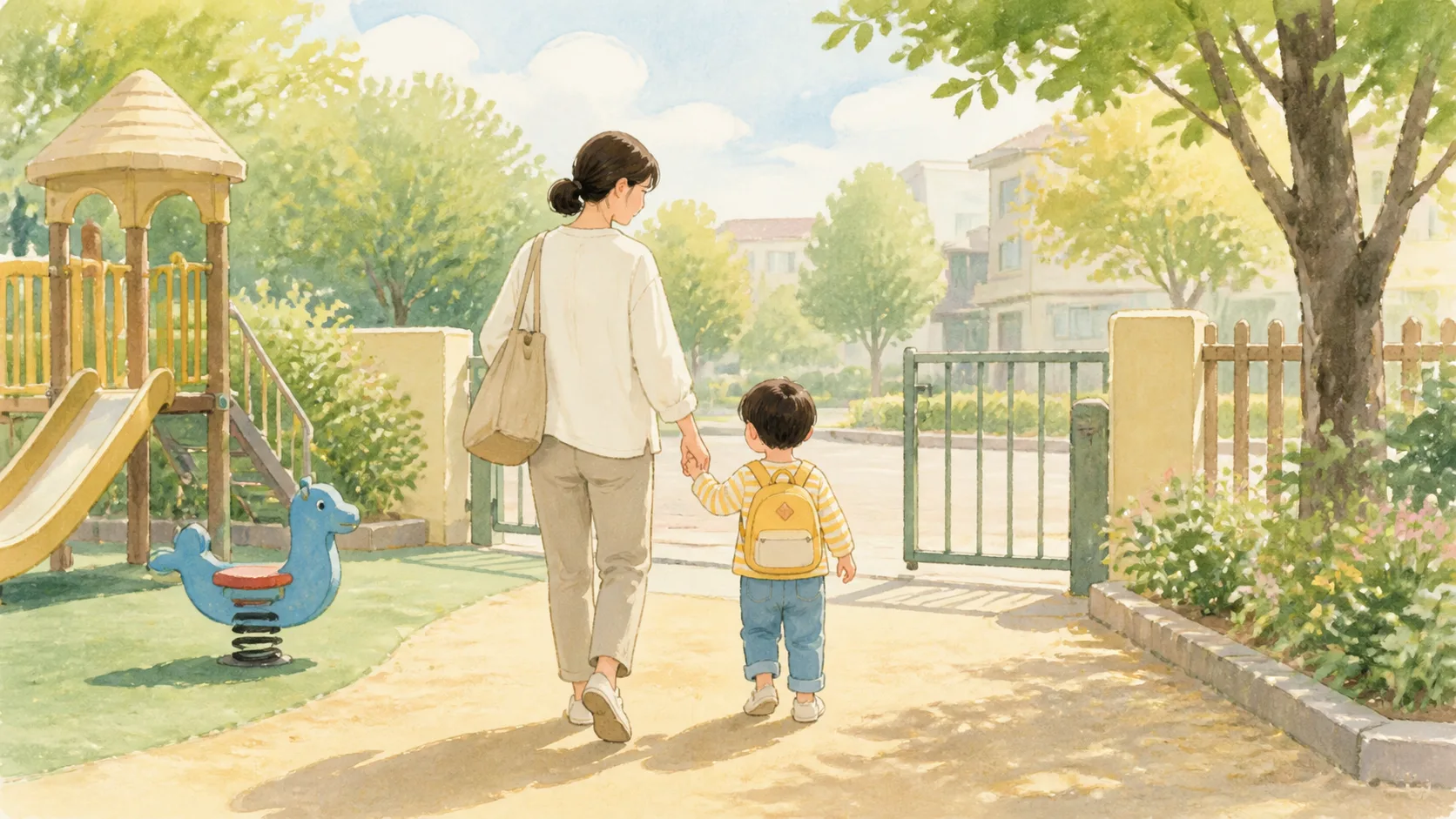
When your child runs away or drops down when it is time to leave the playground
Resistance when leaving the playground does not automatically mean your child is testing you. Before play, briefly explain how it will end. After one last activity, give a specific direction for leaving and create the next scene while keeping your child safe.
Discipline · 7 min
When your child runs away or drops down when it is time to leave the playground
Resistance when leaving the playground does not automatically mean your child is testing you. Before play, briefly explain how it will end. After one last activity, give a specific direction for leaving and create the next scene while keeping your child safe.
 Discipline · 6 min
When one sibling keeps tattling
Do not label every report as tattling. Separate danger from small conflicts, and keep adults responsible for safety.
Discipline · 6 min
When one sibling keeps tattling
Do not label every report as tattling. Separate danger from small conflicts, and keep adults responsible for safety.
 Discipline · 6 min
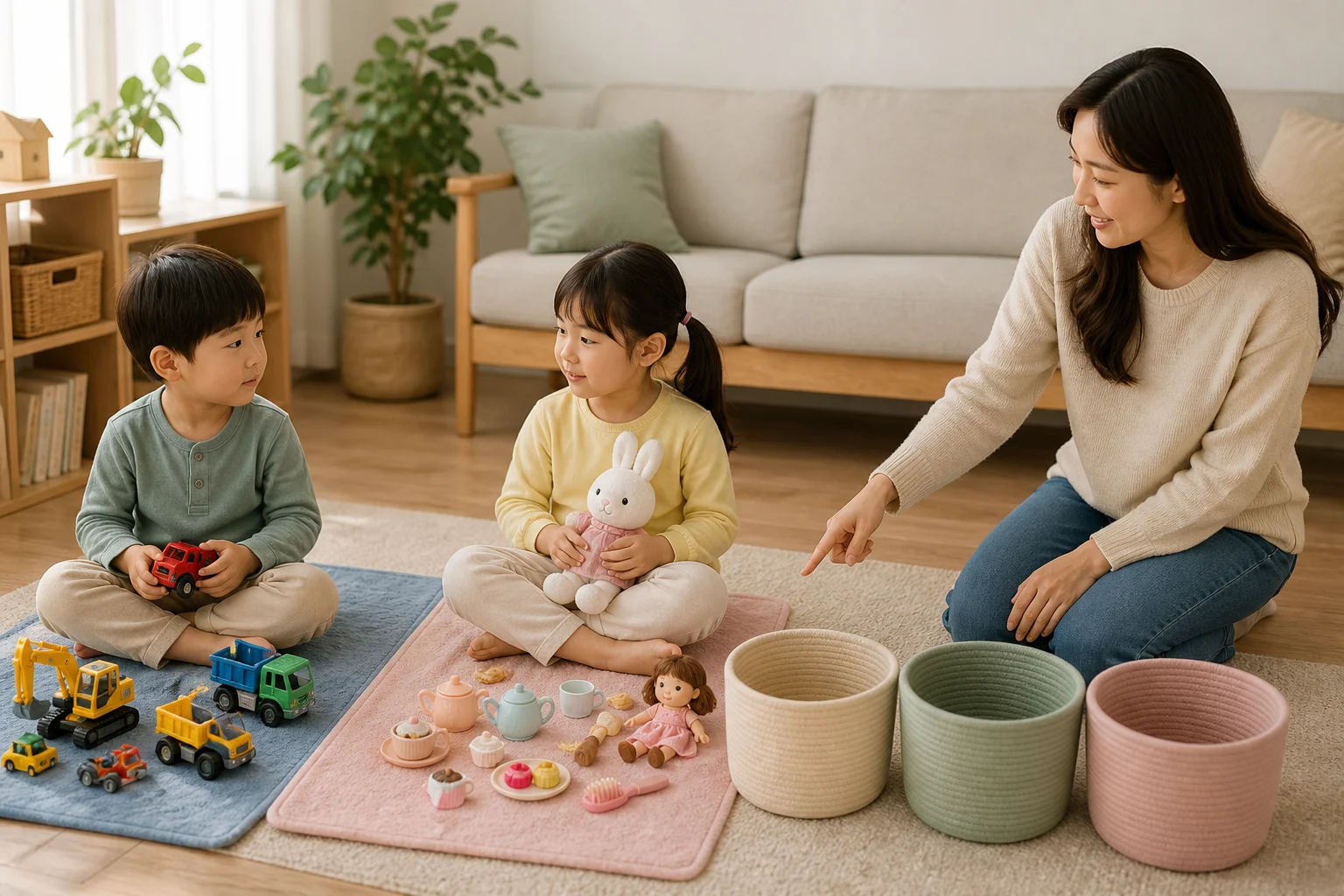
When siblings fight over the same toy
When siblings grab the same toy and argue, it is easy to decide first who is right. Stop hitting and throwing objects first. Divide toys in advance into personal toys, shared toys, and turn-taking toys so you do not need to make the same ruling each time.
Discipline · 6 min
When siblings fight over the same toy
When siblings grab the same toy and argue, it is easy to decide first who is right. Stop hitting and throwing objects first. Divide toys in advance into personal toys, shared toys, and turn-taking toys so you do not need to make the same ruling each time.
 Discipline · 7 min
When you have to ask ten times for homework to begin
Instead of repeating "Do it now," agree on the first action, such as taking out the materials and reading the first problem.
Discipline · 7 min
When you have to ask ten times for homework to begin
Instead of repeating "Do it now," agree on the first action, such as taking out the materials and reading the first problem.
 Discipline · 6 min
When your child cannot say no to a request
A child who agrees to every request from a friend or adult needs a short way to say no more than a long explanation. Practice stopping, speaking, and getting help in the safety of home.
Discipline · 6 min
When your child cannot say no to a request
A child who agrees to every request from a friend or adult needs a short way to say no more than a long explanation. Practice stopping, speaking, and getting help in the safety of home.
 Discipline · 5 min
When your child angrily says, "I hate you, Mom"
Instead of making your child take it back immediately, separate feelings from actions: "You're really angry. It's okay to say, 'I hate you, Mom.' But I won't let you hit." You can reassure them about the relationship while keeping necessary boundaries.
Discipline · 5 min
When your child angrily says, "I hate you, Mom"
Instead of making your child take it back immediately, separate feelings from actions: "You're really angry. It's okay to say, 'I hate you, Mom.' But I won't let you hit." You can reassure them about the relationship while keeping necessary boundaries.
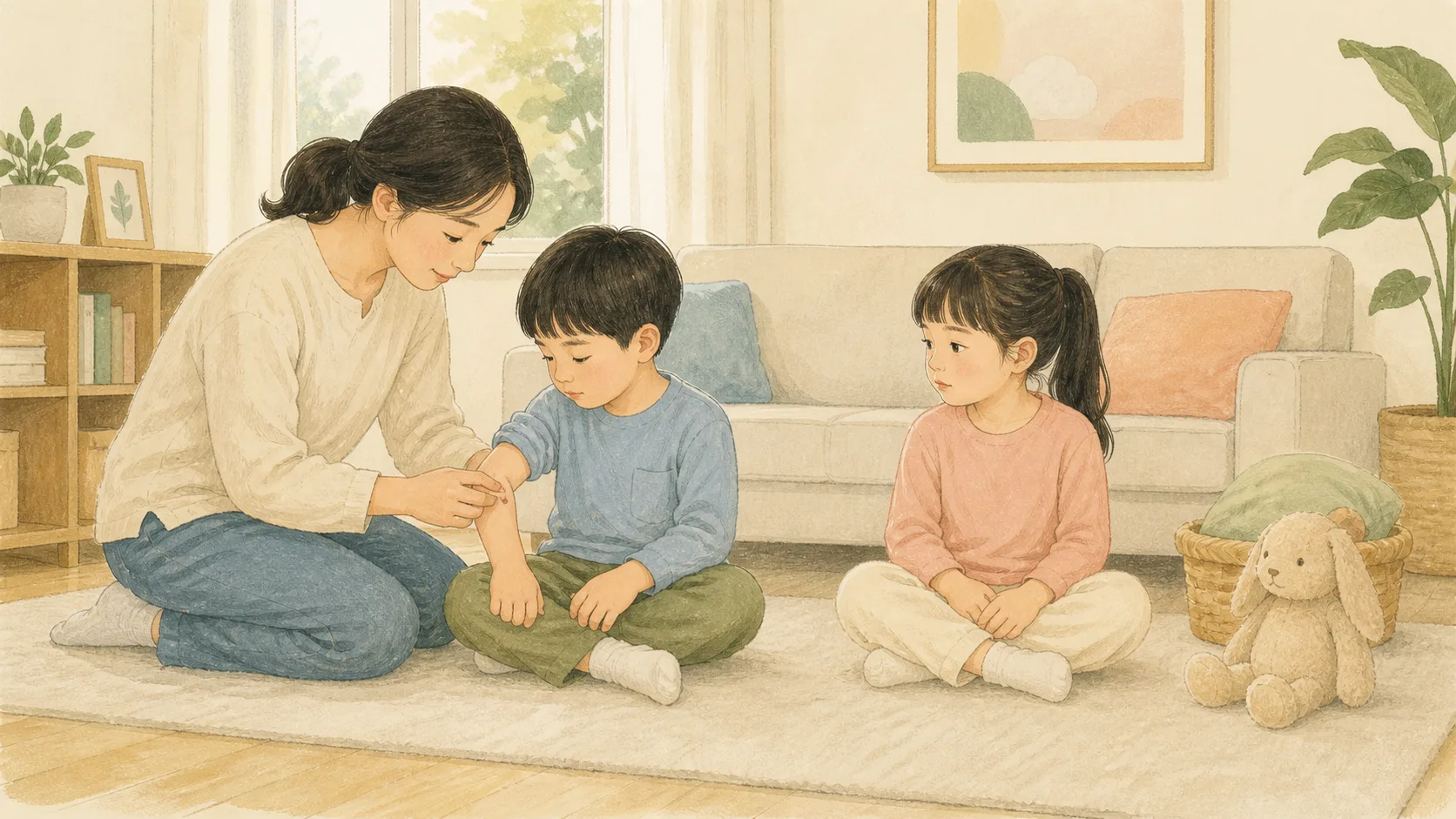 Discipline · 6 min
Why forced apologies can lead to another fight
Wanting to care for the hurt child may make "Say you're sorry" come first. Address safety and repair first, then let an apology be one choice after the child is calm so there is room to practice what to do next.
Discipline · 6 min
Why forced apologies can lead to another fight
Wanting to care for the hurt child may make "Say you're sorry" come first. Address safety and repair first, then let an apology be one choice after the child is calm so there is room to practice what to do next.
Explore more topics
Parent mindset
We start with how parents stabilize themselves during daily uncertainty.
29 articles →
Play and development
Language, senses, and relationships grow through play in ordinary routines.
26 articles →
Daily routine
How we approach daily scenes like sleep, meals, and morning routines.
27 articles →
Family travel
Plan an outing around your child's interests, travel time, and rest.
22 articles →