When your child says, "You cannot play with us," you may wonder whether everyone must always be included or whether to leave it alone. Choosing friends is different from repeatedly excluding someone. Look at the type of play, the relationship, differences in power, and whether it repeats. Teach both choice and respect.
Key point
Set open participation rules for shared play and teach respectful ways to decline private play. If exclusion repeats or causes fear, adults should check safety and work with the school or care setting.
What to remember
- Not everyone must join every game, but stop insults and repeated isolation.
- Use different words for open play in shared spaces and a personal choice to play separately.
- Keep checking with the school or care setting when exclusion involves discrimination, online groups, power differences, fear, or avoiding school.
First separate playing apart from exclusion
Two children may want to build quietly or one child may want to draw alone. Not everyone has to join every kind of play. A child can state the choice without putting someone down: "We want to play as a pair now. We can play together at the next recess," or, "I want to draw alone."
Do not treat it as a simple choice if one child is repeatedly kept out, other children are told not to play with that child, or the child is insulted and pushed out of a shared activity. Look at whether the behavior is unwanted and aggressive, whether there is a power difference, and whether it has happened more than once or is likely to happen again.
Several reasons can be behind exclusion
The same words, "Do not come," can have different backgrounds. A child may want to keep the current game going or play only with a certain friend that day. They may not know how to decline respectfully, or they may copy powerful words heard somewhere else.
The next words depend on the background. For a child protecting the flow of play, offer a preview such as, "Let's invite them when we finish." For a child who does not know how to decline, choose a sentence together that does not put the other child down. But when one child is repeatedly isolated, stopping the behavior comes before finding the reason.
Match shared-play and separate-play phrases to the setting
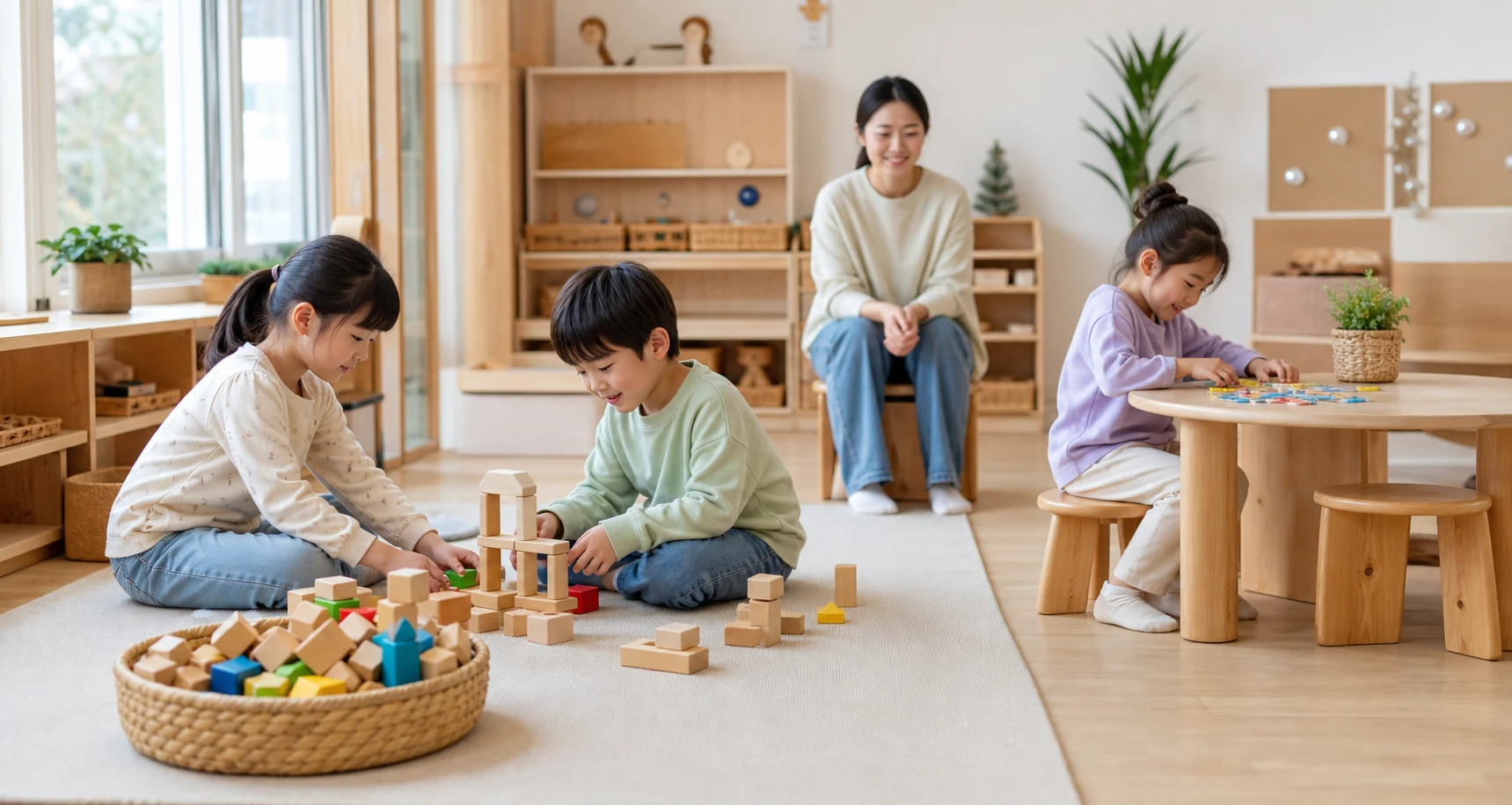
Make two boxes on paper: "Shared spaces" and "Play we choose separately." For open activities such as shared sandbox tools, classroom group activities, or a family game, write a rule such as, "Anyone who wants to join can do it this way." An adult decides how children can join so one child does not act as a gatekeeper who selects and removes others.
For play a child created, needed rest time, or a small activity already planned, a child can say, "I want to play separately now," or, "Let's choose another game." Do not force every child to become friends. In the moment, separate rules for shared activities from play a child may choose.
Do not begin with public questioning
When you hear about exclusion, first check whether the child is safe now and whether there were threats or insults. Do not press for names in front of other children or demand an immediate apology and reconciliation. Listen to each child separately as needed. Record the facts: where it happened, who was there, and which words or actions repeated.
Do not label the child who acted as a bad friend. Name the behavior: "At the shared blocks, you told that child to leave three times and told another child not to play with them." Next time, the child can follow the rule for joining shared play or choose one respectful sentence when they want separate play.
Adults keep watching repetition and power differences
Briefly record the date, place, people present, exact words, and whether the behavior continued. Do not end with one family conversation when exclusion is based on discrimination, happens in an online group chat, involves several children isolating one child, or leads to fear or avoiding school. Share facts with the school or care setting and decide how another incident will be reported.
Do not only tell the excluded child to play elsewhere. Do not force shared play or a hug to repair the relationship. Decide on rules and adult support for shared activities where the child can take part safely. If the situation continues, notify the organization, check its protection process, and seek professional help when needed.
Relationships grow through practice, not force
Set the boundary: "You can choose who you want to play with. You cannot put someone down or tell others not to be their friend." Before the next meeting, practice one or two useful phrases, such as, "We want to play as a pair now," "This is for everyone to use," or, "I am going to play something else." Give your child time to choose words, but an adult stops harmful exclusion when it continues.
Do not decide what your child's personality or future relationships will be because their friendships have become fewer. Watch the actual situation and connect with the right adults so your child can experience both respectful relationships and choices in play.
Worksheet
Words for shared spaces and separate play
Write participation rules for shared activities and respectful ways to decline during personal play.
- Shared spaces
- How everyone can join with shared tools or group activities
- Play we choose separately
- Respectful words for playing alone or with a certain friend
- Behavior to stop
- Insults, telling others not to be friends, and repeated isolation
- Adult record
- Date, place, words, repetition, power differences, and safety concerns
- Work with the organization
- Whom to tell about discrimination, online exclusion, fear, school avoidance, or repetition
Notes
- If exclusion repeats or involves discrimination, fear, or avoiding school, check the facts with the school or organization.
- Do not use the phrase chart to diagnose bullying or grade a child's empathy.
- Practicing phrases does not fit every child. Use picture cards or a short adult example if spoken practice is hard. If your child is being excluded, first confirm adult action in that setting and cooperation from the organization instead of focusing on practice.
References
- U.S. federal bullying prevention guidance: What bullying means
- U.S. federal bullying prevention guidance: Responding to bullying
- U.S. federal bullying prevention guidance: Supporting children involved
- American Academy of Pediatrics: Ways to support a child's friendships
This is general guidance for relationship conversations and safety. It does not replace a bullying investigation, school process, or mental health diagnosis.