A child may repeat teasing words or a nickname a friend dislikes. When "I was only joking" does not match the other child's expression, do not argue about who is too sensitive. Stop the unwanted behavior, then find out what happened.
Key point
Immediately stop teasing that the other child does not want or has asked to end. Look at the other child's response, differences in power, and whether it repeats, then practice words to use next time.
What to remember
- When someone shows discomfort or asks for it to stop, end the behavior before debating whether it was a joke.
- Look at the response, power differences, and repetition together, and ask the school or organization about what you do not know.
- Record and address discriminatory nicknames, threats, online sharing, group exclusion, and repeated behavior with the school or organization.
Start by stopping the behavior, not discussing the intent
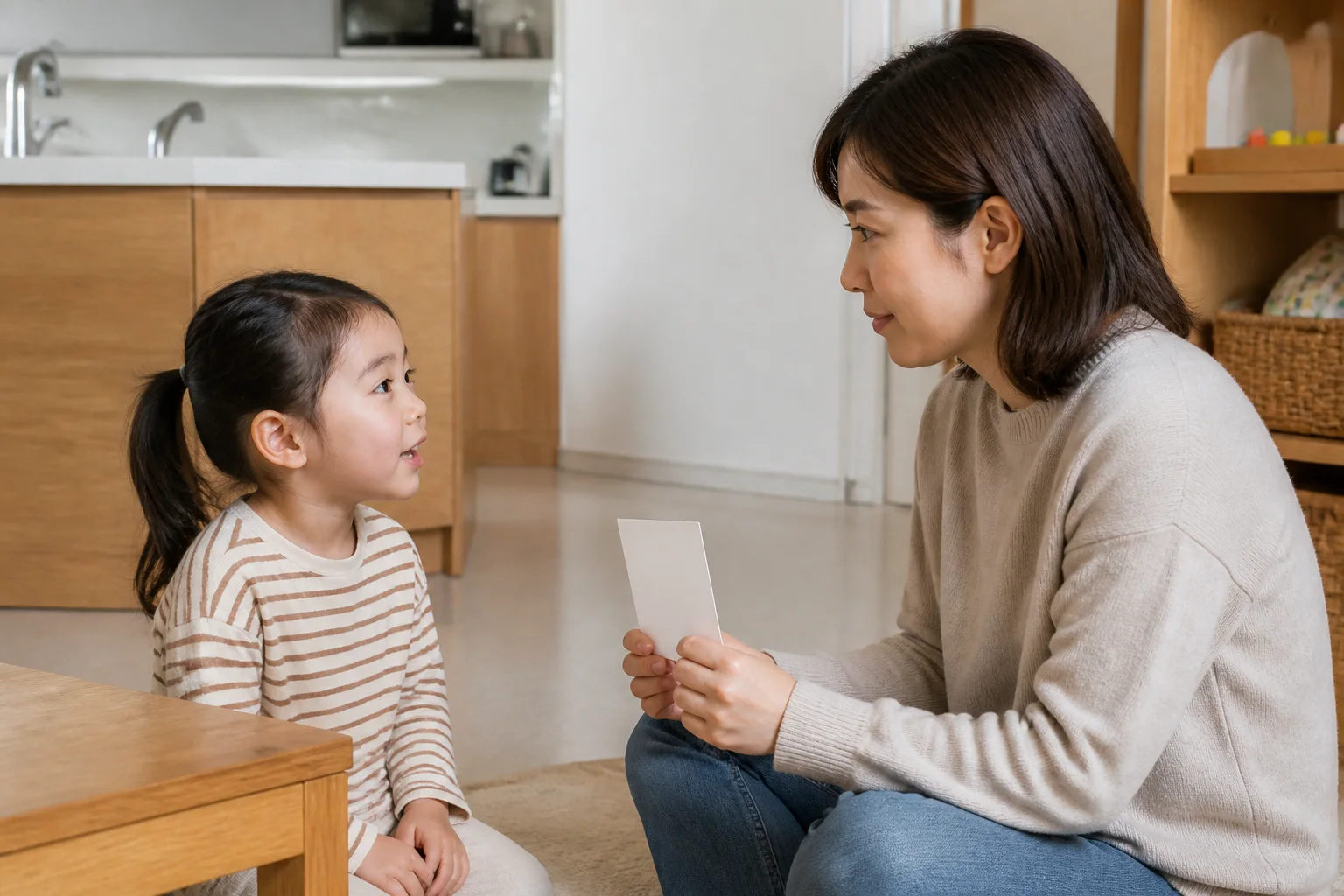
Tell your child briefly and clearly, "Stop using that nickname now." If the other child said no, looked tense, tried to leave, or became silent, laughter does not make it acceptable to continue. If your child says, "I was joking," answer by separating intent from behavior: "That may be what you meant. You still stop when the other person does not want it."
U.S. federal bullying prevention guidance describes bullying as unwanted aggressive behavior involving a power imbalance and repetition or the potential for repetition. Stop and address even a single rude comment so it does not happen again.
Check the other child's response and whether it repeated
Afterward, ask about the actual scene: "What did the other child say?" "Did you use the name again after they asked you to stop?" "Did several children join in and tease the same child?" Do not force your child to answer what they do not know.
You cannot assume everything was fine because both children laughed once, or know the entire relationship because one child cried once. Relationships, differences in power, and the chance of repetition need to be viewed across several situations. Before asking the other child for an explanation or apology, check whether the children first need to be separated and the behavior stopped.
Choose the next action instead of labeling your child
Calling your child a bully can make them defensive or more likely to hide what happened. Name the behavior and its impact: "You used the nickname three times and continued after your friend asked you to stop." Then choose one phrase for next time, such as using the child's name, suggesting another game, or telling an adult after moving away when angry.
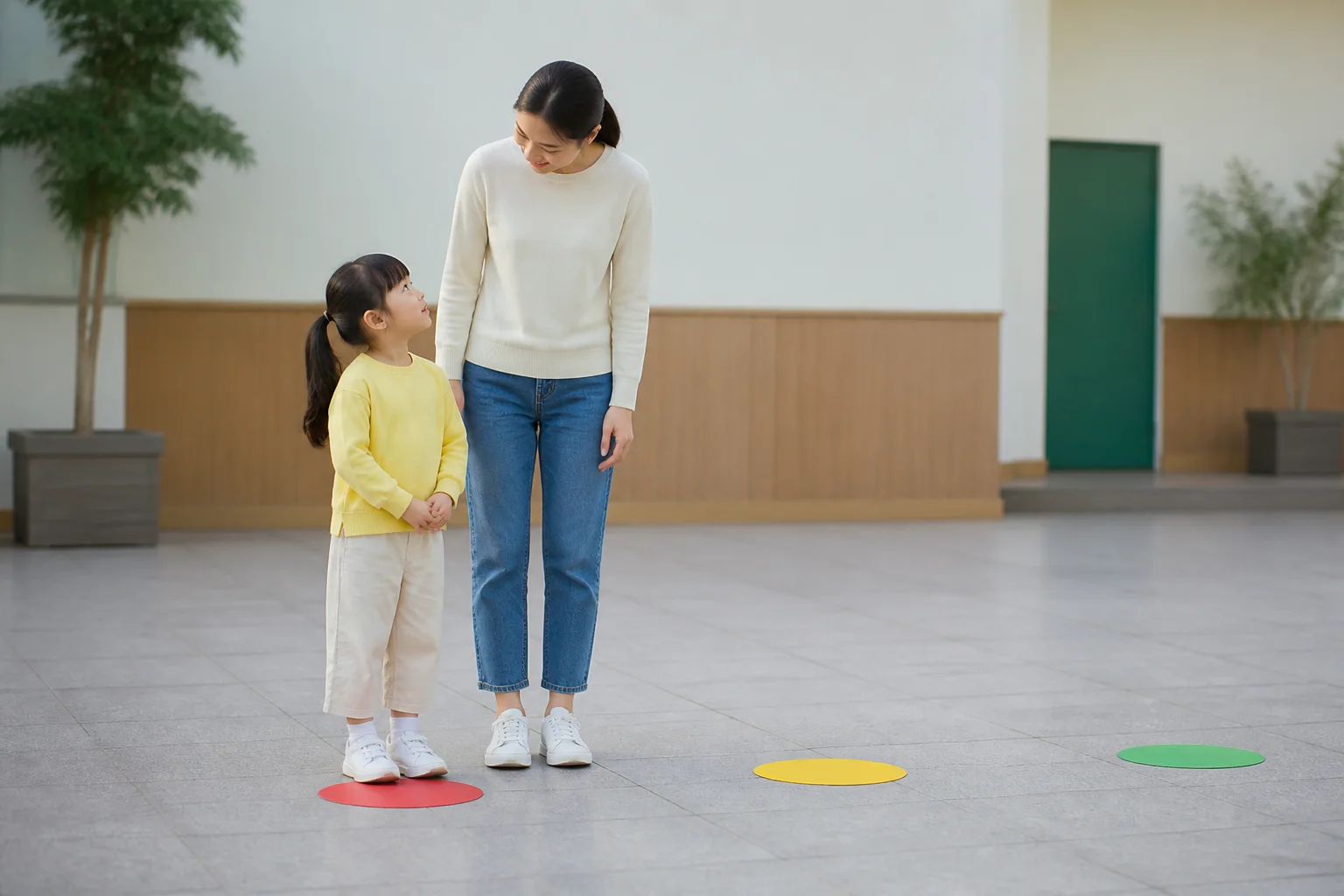
Practice briefly at home or in another safe place without putting the other child in front of yours. Try phrases that fit the situation: "Do you want to join?" "I will use your name instead," or, "I am angry, so I am stepping away for a moment." An apology can be part of repair when your child understands the impact and can do it safely, but a forced face to face apology does not replace safety.
Adults track repetition and power differences
If the same nickname or teasing continues, briefly record the date, place, people present, words heard, and what happened after a signal to stop. Do not end with one family conversation when there are discriminatory nicknames, sexual teasing, threats, online sharing, or several children excluding one child. Share facts with the school or care setting. Do not pressure the children to face each other and solve it.
Do not try to solve the problem only by having the other child move away or give up the activity. Ask the organization what was witnessed, what was done to stop it, and how another incident should be reported. Do not tell your child to retaliate or tease back. Give them a path to tell a trusted adult.
Look for change, not the number of punishments
Severe punishment or public humiliation may make a child hide the next incident. Over the next few days, check whether the nickname returned, whether your child actually stopped after a request, and whether another child was left alone or appeared afraid. One apology does not remove the risk of repetition.
Tell your child, "You can tell me when there is a problem. When someone does not want to hear something, stop saying it." If a parent cannot establish the facts alone, or a child is afraid and changes in play, sleep, or school attendance continue, involve the school and any needed professional support. Adult intervention comes first when safety is unstable.
Worksheet
What to check after teasing
First stop the nickname or teasing, then record what actually happened and the next action.
- Wanted or unwanted
- Whether the other child clearly wanted to laugh together or did not want it
- Signals to stop
- What happened after words such as no, a tense expression, leaving, or silence
- Power and repetition
- A group and one child, age or status differences, and whether the words repeated
- Immediate action
- Stop the nickname, separate spaces, and tell a trusted adult
- Next phrase
- Use the child's name, suggest another game, or step away briefly
Notes
- When there is discriminatory language, a threat, or repeated bullying, check the facts and respond with the school or organization.
References
- U.S. federal bullying prevention guidance: What bullying means
- U.S. federal bullying prevention guidance: Responding to bullying
- U.S. federal bullying prevention guidance: Supporting children involved
- U.S. federal bullying prevention guidance: Roles children play in bullying
This is general guidance for family conversations and observation. It does not replace a bullying investigation, school process, crisis intervention, or mental health diagnosis.