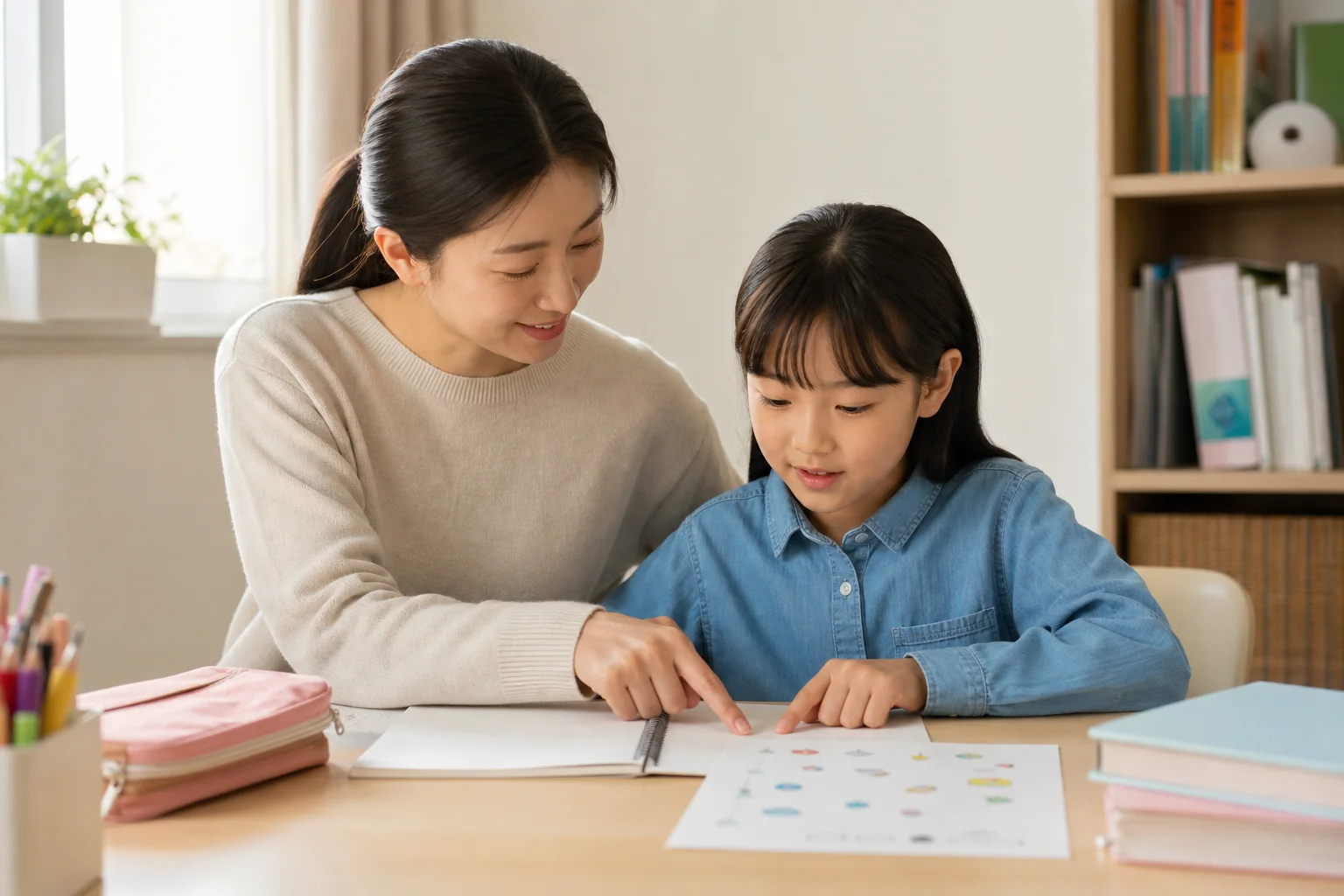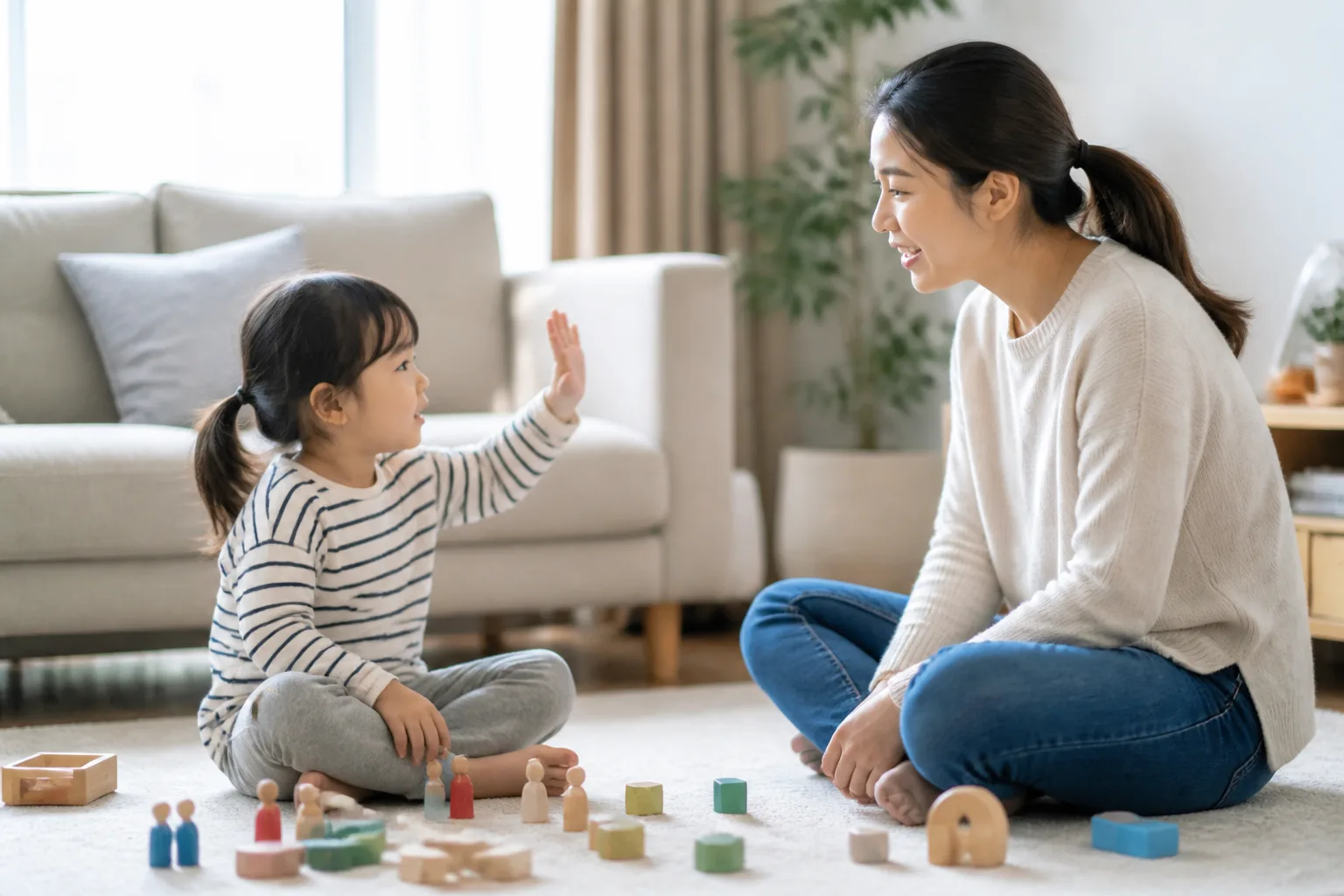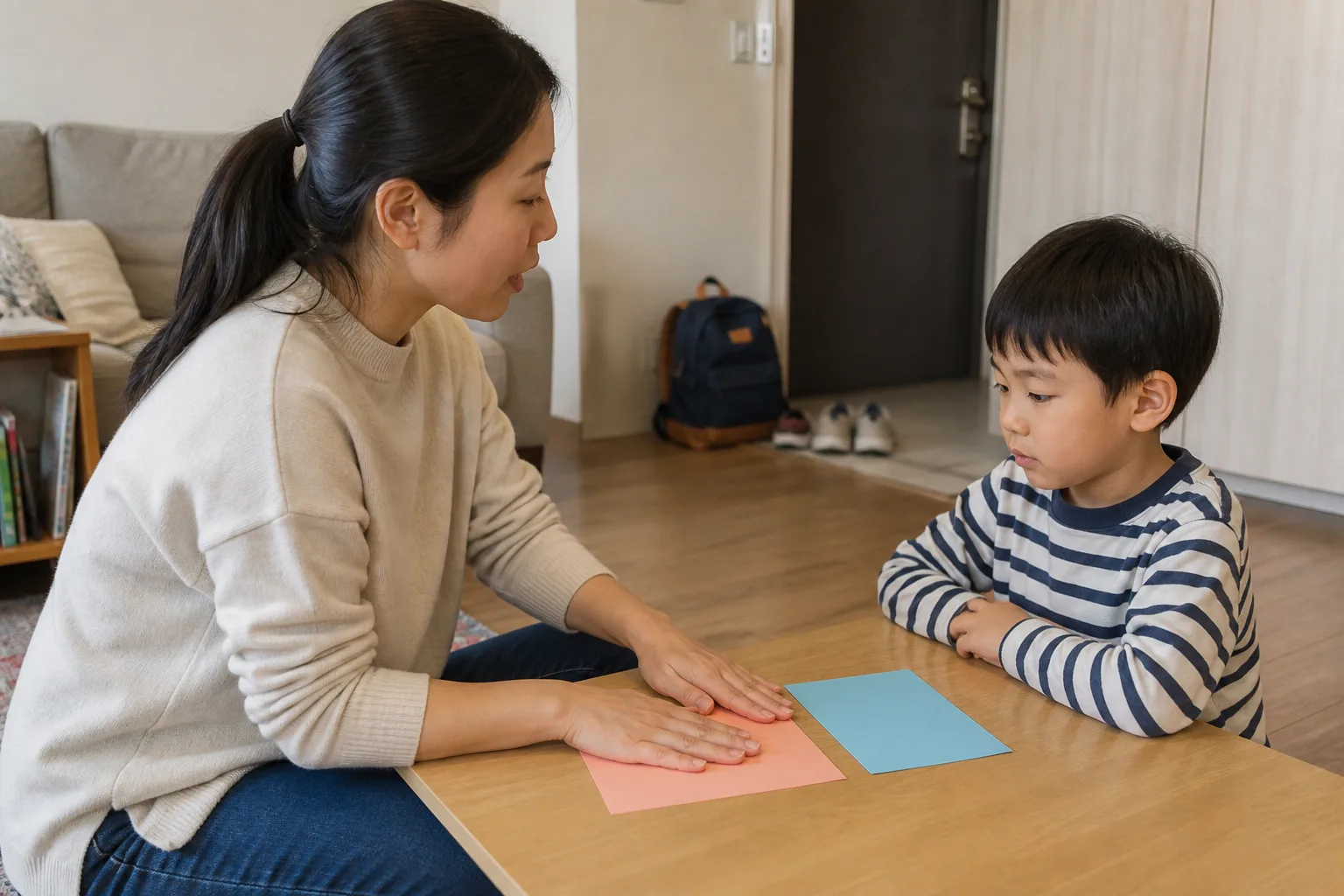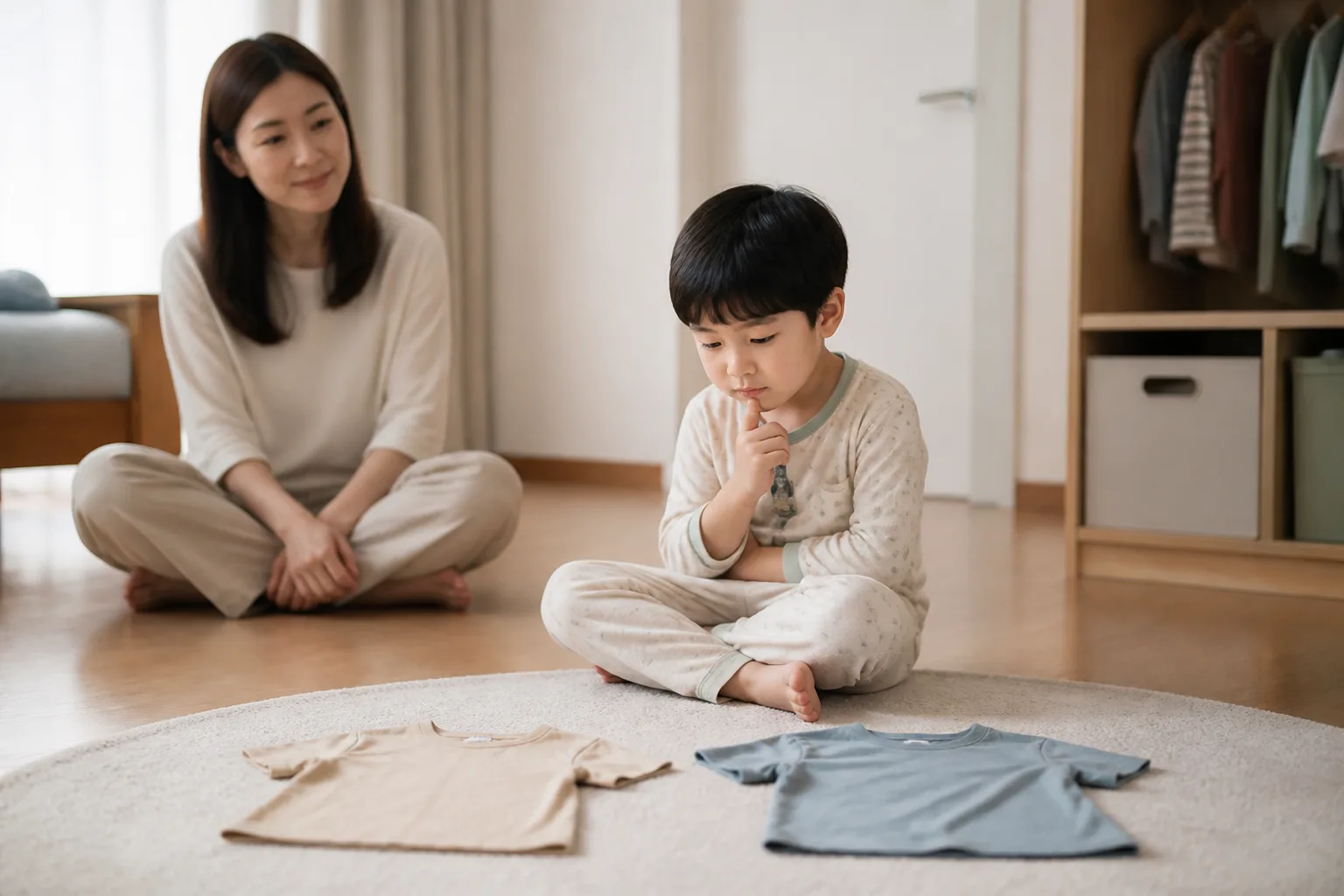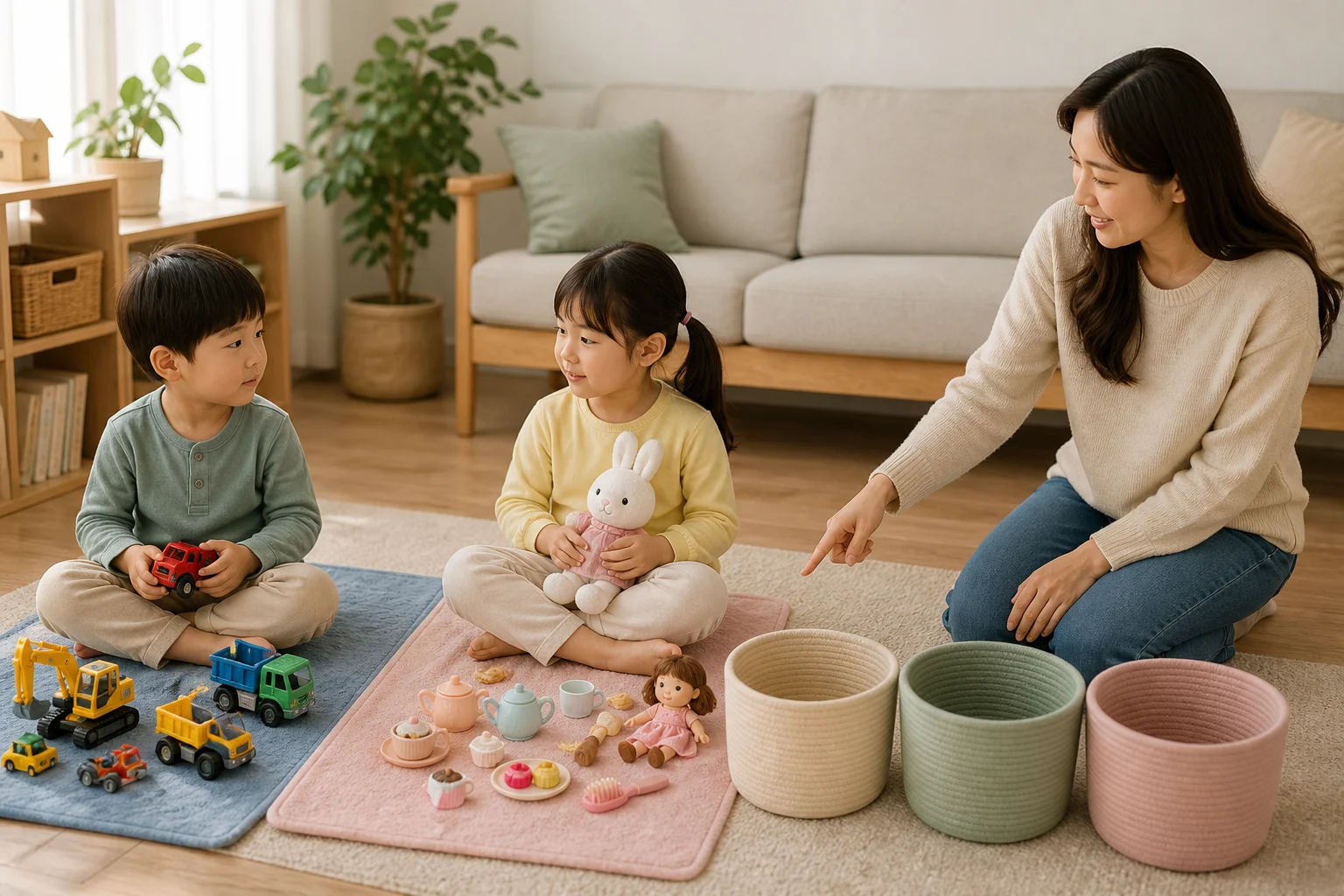
When siblings grab the same car or doll and yell, parents also want to end the fight quickly. But a rule that everyone must share immediately can lead to a bigger fight. Make the situation safe first. Then decide whether the toy belongs to one child, is shared, or is used in turns.
Key point
Stop hitting, biting, strangling, and throwing objects immediately, and care for an injured child first. At other times, separate personal, shared, and turn-taking items. For turns, use an ending signal the children can understand. Do not treat repeated violence, fear, or control as a simple sibling fight.
What to remember
- First tell the difference between an argument and behavior that can hurt someone.
- Do not make children share every toy. Decide which toys are personal, shared, or used in turns.
- A timer only signals the end of a turn. It does not guarantee fairness or willingness to give up a toy.
During a fight, check bodies before the toy
If siblings are only arguing, with no hitting, throwing, or other physical danger, watch closely. If physical danger begins, remove the toy immediately, separate the children, and check for injury. Do not question them about who started it or put them face to face and force an apology.
State one action briefly: "Stop your hands. Stay apart." Care for the injured child before listening to what each child wanted.
Decide the type of toy in advance
A family can separate toys into personal, shared, and turn-taking items. Do not make a child share a personal item such as a birthday gift every time. Do not let one child keep all the shared blocks. Before using a turn-taking toy, explain the ending: "When we hear this signal, the next person chooses."
Respect each child's space and belongings, and set rules for shared items in advance to reduce conflict during sibling play. Do not always make the older child endure the conflict or give up the toy.
A turn is the next action, not a ruling
A timer or the end of a song can show when a turn ends. But it may not reduce conflict if it does not fit the children's ages or ability to wait. If one child is still playing and the other cannot wait, offer another similar material, open another play area, or stay close and guide the next scene.
Do not decide by saying, "You are older," or, "You are good, so give it up." Briefly tell each child what you heard: "You wanted to keep playing," and, "You wanted to use it now." Then repeat the type of toy and the current rule.
Connect the rule and consequence to the object
If a child throws a shared toy or uses it to hurt someone, put that toy away safely. This does not punish only one child. It manages the toy until it can be used safely. Children learn rules more easily when the words are specific and the consequence clearly follows the action.
Do not use a shared punishment, comparisons, a judgment about who is worse, or a forced hug or apology. After everyone is calm, practice one sentence: "Call me next time when waiting is hard," or, "Use words instead of your hands."
Add support when danger repeats
If one child keeps controlling or insulting the other, or fear, avoidance, or injuries repeat, do not leave the siblings to solve it alone. Record when physical danger grows, including the toy and time. Adjust the separation of spaces, adult position, and number of toys.
If violence gets worse or safety is hard to maintain, ask a pediatrician, mental health professional, or family counselor for help. Counseling does not decide which sibling is bad. It helps the family find a way to live safely.
Worksheet
A different use agreement for each toy
Before a fight, sort personal, shared, and turn-taking items and decide on safe behavior.
- Personal item
- Do not take it without permission
- Shared item
- One rule to follow when using it together
- Turn-taking item
- Ending signal and next person
- Safety
- What an adult does when hands, teeth, or objects become dangerous
- Observe
- Repeated times, toys, fear, and signs of injury
Notes
- Do not force every toy to be shared in the same way.
- Stop physical danger and care for injuries before talking.
References
- American Academy of Pediatrics: Reducing fights during sibling play
- American Academy of Pediatrics: Supporting healthy sibling relationships
- Centers for Disease Control and Prevention: Creating family rules
- Centers for Disease Control and Prevention: Using consequences after behavior
This is general guidance for sibling conflict. It does not replace an investigation of violence or abuse, an injury assessment, or mental health treatment for a family.