When a block goes flying, first move people and pets out of its path and put throwable objects out of reach. Long questions about why it happened or throwing an object back only increases the danger. Once everyone is safe, address the angry feeling and the throwing as separate issues.
Key point
Immediately stop throws toward people, animals, windows, screens, or hard or breakable objects, and remove the object. Acknowledge the feeling without allowing unsafe behavior. Offer an alternative, such as rolling or throwing a safe ball in a designated empty area, and a brief act of repair.
What to remember
- Do not ignore a throw in a dangerous direction. Stop it immediately.
- Use a large, soft ball as an alternative only in a designated place with no people nearby.
- Head or eye injuries, bleeding or cuts, swallowing an object, or harm to self or others requires urgent assessment before discipline.
Make people and the area safe first
When an object flies, first create distance between your child and other people or pets. Near glass, screens, or sharp objects, move the object out of reach and, if needed, move with your child to a safe, empty area. Do not ignore dangerous throwing to avoid giving it attention. Stop it right away.
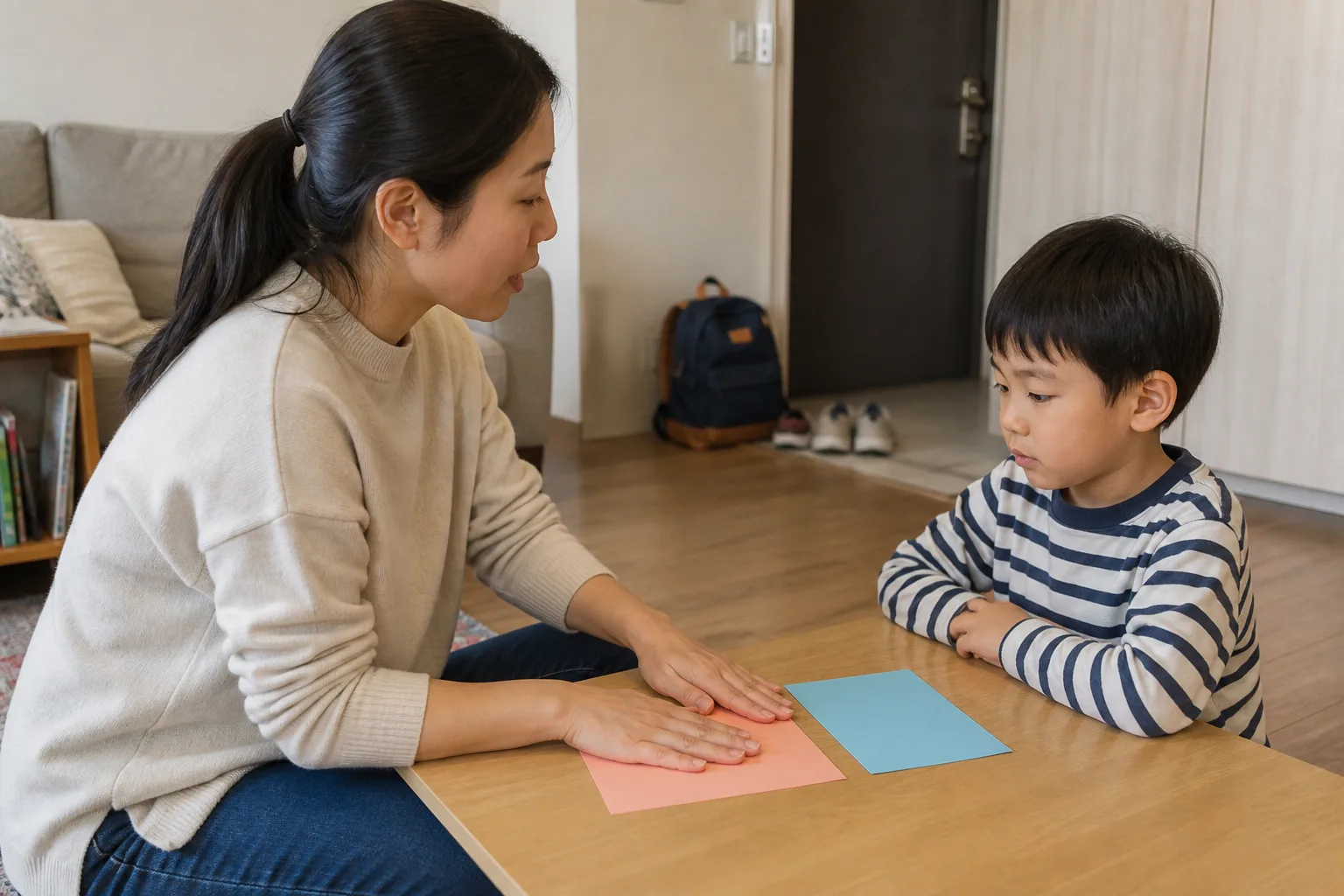
Keep your words short: "You are angry. Do not throw toward people. Put the toy on the floor." When a child is already overwhelmed, a long explanation or a list of past mistakes makes the next action harder to hear.
State the boundary between feelings and actions
Separate the feeling from the action in one sentence: "You can be angry, but you may not throw blocks." Do not treat throwing as proof of an aggressive personality or an attempt to control a parent. Keep the same boundary for any action that could hurt someone or break something.
Give one specific direction at a time. "Put the block in the box" makes the action to take clearer than "Stop it." When your child stops, simply name what happened: "You stopped. It is safe now," rather than bargaining with extended praise.
Choose both the object and place for a safe throwing alternative
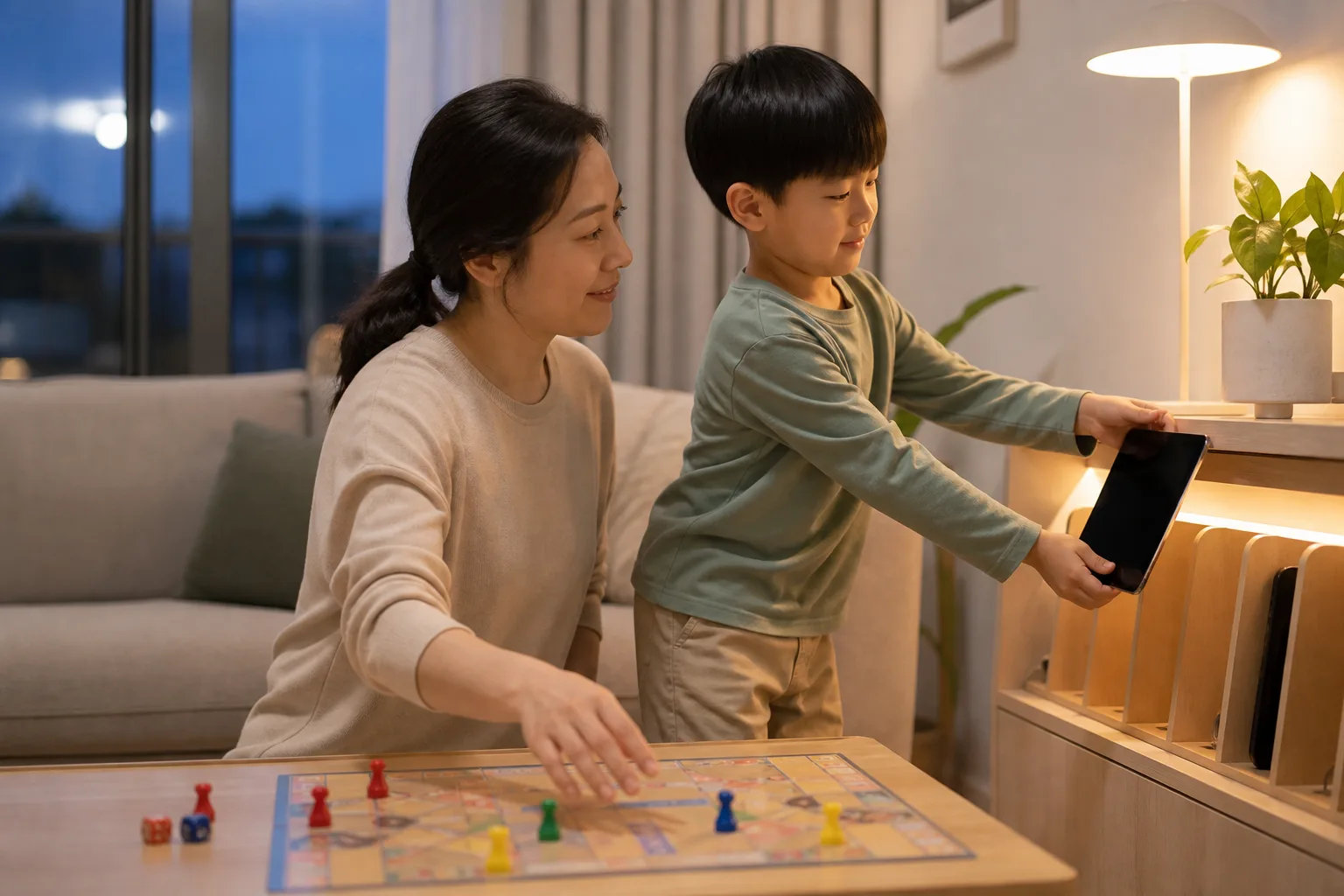
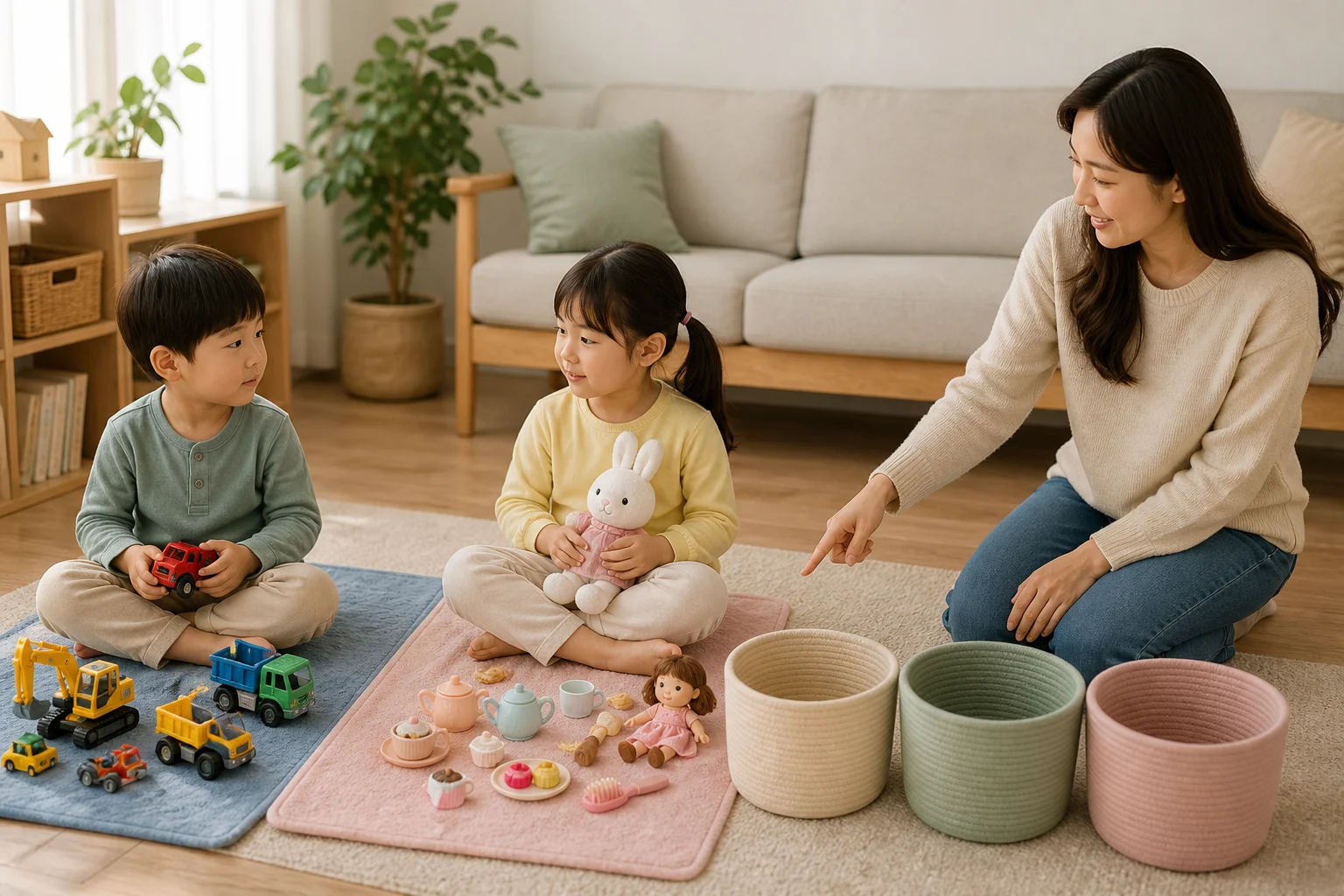
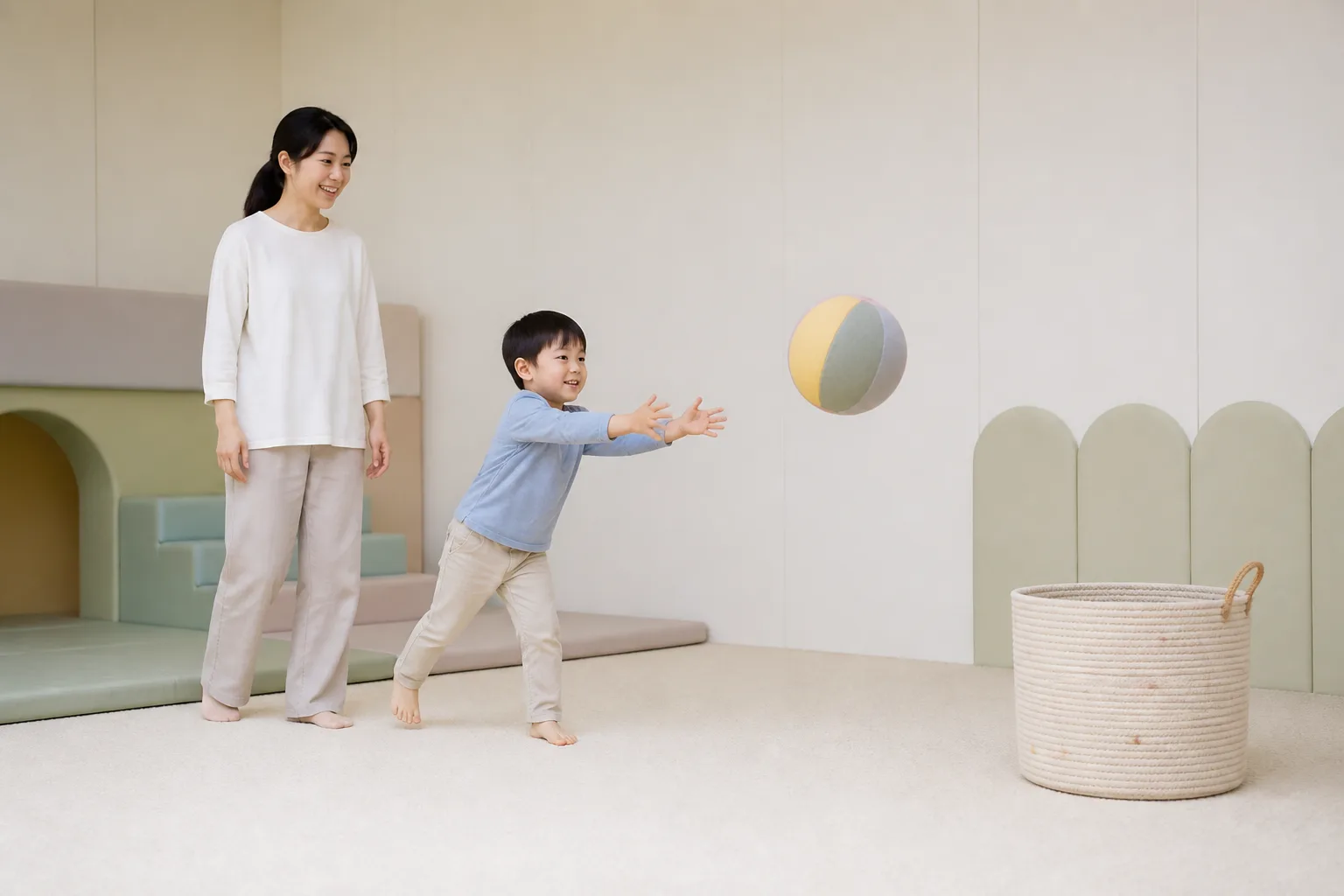
If an alternative would help, choose one large, soft, age appropriate ball. Small parts, heavy objects, and sharp or damaged toys are not safe substitutes. A ball does not mean throwing is allowed anywhere indoors. Limit it to rolling or throwing toward a basket from a designated floor area without people, animals, windows, or furniture.
Show your child ahead of time: "When you are angry, you can throw this ball toward the basket. Do not throw it toward people." If your child does not want the ball, suggest another action that will not cause injury, such as stomping, tearing paper, or squeezing and releasing a towel.
Keep the consequence brief and connected to the behavior
If your child throws an unsafe object, put that object away for that play period. This manages the object until it can be used safely. It is not a punishment for feeling angry. Do not remove every toy until the next day or deliberately break your child's belongings.
After your child calms down, repair what can be repaired. Pick up fallen or scattered blocks together. If someone was hurt, check on them first and get needed help. Repeat one alternative: "Next time you are angry, throw the ball toward the basket." Work together to reduce the harm instead of forcing an apology.
Keep emergency and professional support boundaries separate
If someone has a head injury, an eye injury, a cut or bleeding, or may have swallowed a small object, stop the discipline conversation and seek immediate emergency help and medical assessment. If your child talks or acts as if they may hurt themselves or someone else, involve another safe adult and local emergency support instead of trying to calm the situation alone.
If dangerous throwing keeps happening, becomes more intense, or continues to disrupt life at home, child care, or school, talk with a pediatrician or mental health professional. Record when and what your child threw, whom it was thrown toward, and whether fatigue, pain, or changes were present so you can describe the facts when asking for help.
Keep notes to help with the next situation
Look beyond the object and note what happened just before the throw. Did play end? Was your child tired or hungry? Was there a conflict with another child, or was your child already in pain? Avoiding a quick conclusion lets you change one condition next time, such as moving the ball or giving earlier notice that play will end.
If you raised your voice, you can say after calming down, "I am sorry I yelled. We still cannot throw things and hurt people." A parent's apology models keeping the safety boundary next time.
Worksheet
What not to throw and what is safe during anger
Put away hard or breakable objects, and decide ahead of time which object and empty place can be used for throwing play.
- Put away now
- Hard, breakable, or small objects
- Safe play
- A large soft ball and a designated empty area
- Short phrase
- Acknowledge the feeling and state the action to take
- Repair and help
- Clean up, check anyone who was hurt, and note when to seek help
Notes
- Immediately stop throws toward people, animals, windows, or screens.
- Do not ignore dangerous behavior. Address emergency warning signs before discipline.
- A throwing alternative will not fit every home. If young siblings or pets make it impossible to create a safe throwing space, use only actions that stay in place, such as stomping or squeezing a towel.
References
- CDC: Steps for giving good directions
- CDC: Tips for using consequences
- U.S. Consumer Product Safety Commission: Toy safety
This is general guidance for responding to dangerous throwing. It does not replace first aid, assessment of harm to self or others, or diagnosis and treatment of a mental health condition.