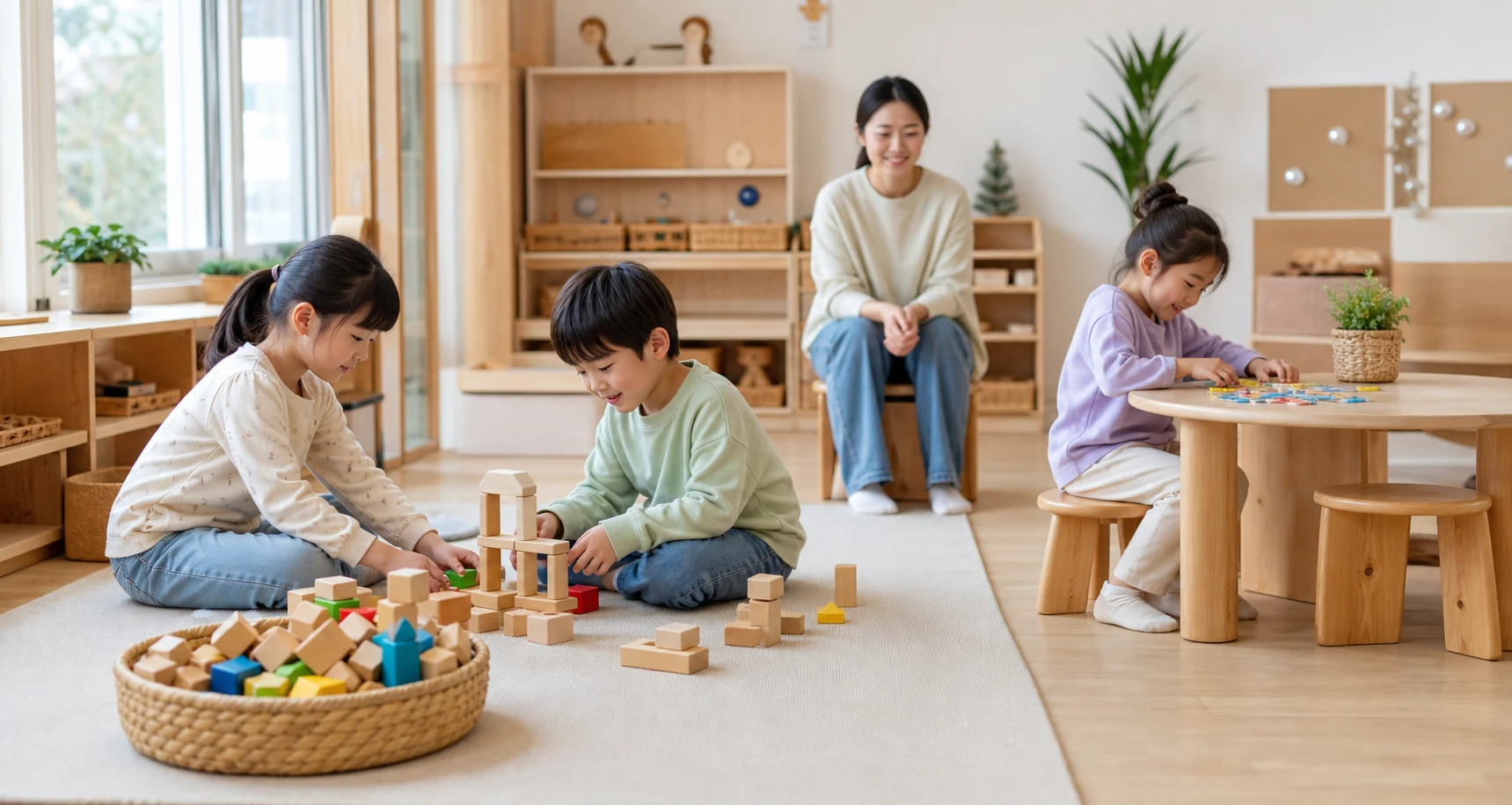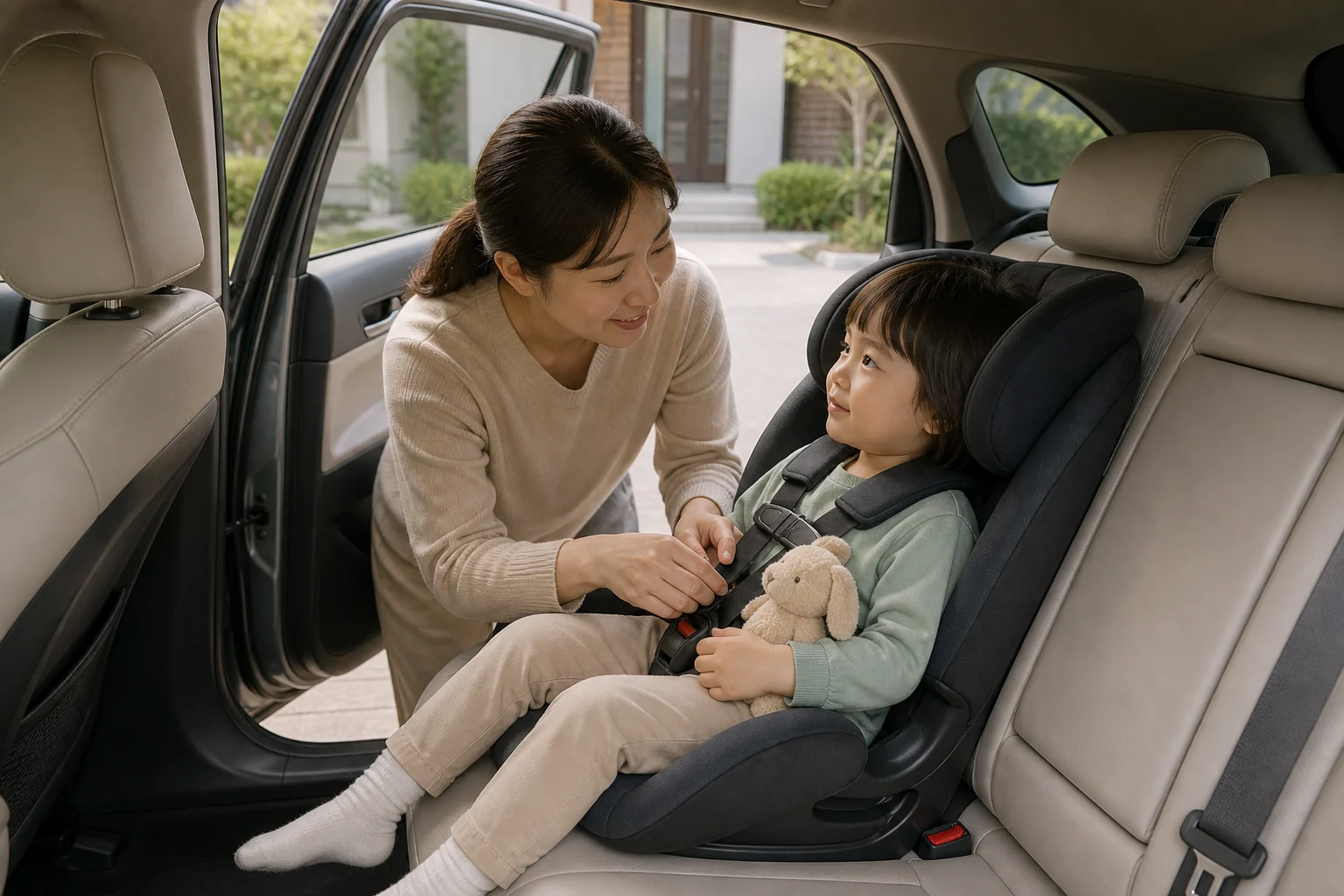
It is tiring when your child runs again after you have said "Don't run" several times. Before assuming they do not want to listen, check whether the rule clearly tells them what to do. Physically prevent immediate danger first, and keep everyday rule practice brief and specific.
Key point
Instead of repeating prohibitions, name one action at a time and calmly follow through on what happens when the rule is followed or broken.
What to remember
- Name an action you can see, such as "Walk indoors," instead of "Be quiet."
- Get your child's attention, give one direction at a time, and briefly repeat it if needed.
- Stop dangerous behavior before finishing your explanation, and promptly notice small moments when your child follows a rule.
Check whether the rule names an action your child can understand
"Be good" and "Listen to me" do not clearly tell children what to do now. Make rules clear and specific, and follow what not to do with what to do instead. For example, after "Do not hurt people," add, "Keep your hands and feet close to your own body."
Young children have trouble remembering many rules at once. For a while, choose just one frequent trouble spot, such as the table, bathroom, or parking lot. Fewer rules do not mean removing boundaries. They give your child a real chance to practice.
Help your child be ready to listen before speaking
When you call several directions across a room, your child may hear only some or not know where to start. Go closer, say their name, get to their eye level, and use one sentence. Name one action, such as "Put the blocks in the box," and wait a moment.
One specific direction at a time works better for young children than several at once. If they do not follow it, calmly regain their attention and repeat it once. If understanding seems difficult, show the action or break it into easier steps instead of adding more words.
Briefly explain the consequence beforehand
When you invent a new punishment each time a rule is broken, neither of you can predict what comes next. Choose one related consequence: "If you throw that toy, it takes a break for today." State it only if you can actually follow through.
Young children can learn more easily when a consequence follows the behavior right away and is logically related to it. When your child follows a rule, immediately describe what they did: "You sat in the chair." Your response also teaches them about following rules.
Respond differently to immediate danger and recurring rule-breaking
If there is an immediate risk of injury, such as traffic, hot water, heights, or hitting someone, stop it before explaining. Move your child somewhere safe, state the rule briefly, and practice an allowed action after they calm down. Routine reminders and urgent safety interventions need different responses.
If following rules remains difficult and you also worry about speech, play, sensory responses, sleep, or difficulties at home and child care, do not assume it is all your fault. Record which directions are hard in which situations, and ask a pediatric clinician or developmental support service.
Worksheet
A rule card for one situation
Choose the situation that causes the most conflict, and describe an action your child can understand.
- Situation
- When, where, and what behavior repeats
- Action to take
- One sentence about what your child can do, without "don't"
- Help
- Go closer, break it into one step, or use a picture cue
- What happens next
- A brief, related consequence you can follow through on
- What to notice right away
- A specific sentence for the moment your child follows the rule
Notes
- Physical punishment, threats, humiliation, and threats to withdraw love are not recommended ways to teach rules.
- When your child or someone else is in danger, immediately involve a nearby adult and professional help.
- Some periods make rule practice harder. After a major change such as moving, a new sibling, or starting child care, keep one or two familiar rules instead of adding new ones.
References
This is general parenting guidance. It does not replace diagnosis or treatment for individual developmental, behavioral, or safety concerns.