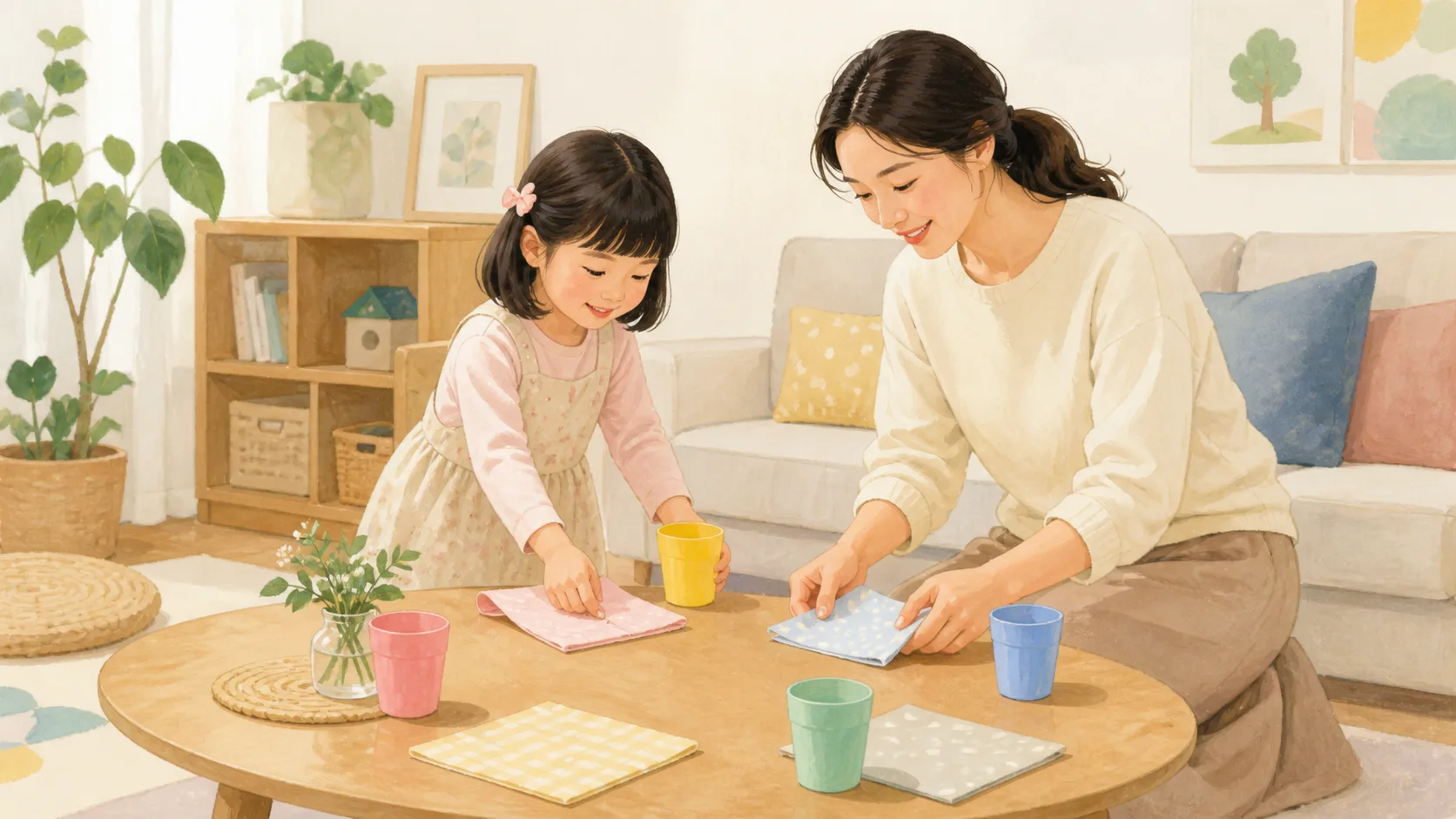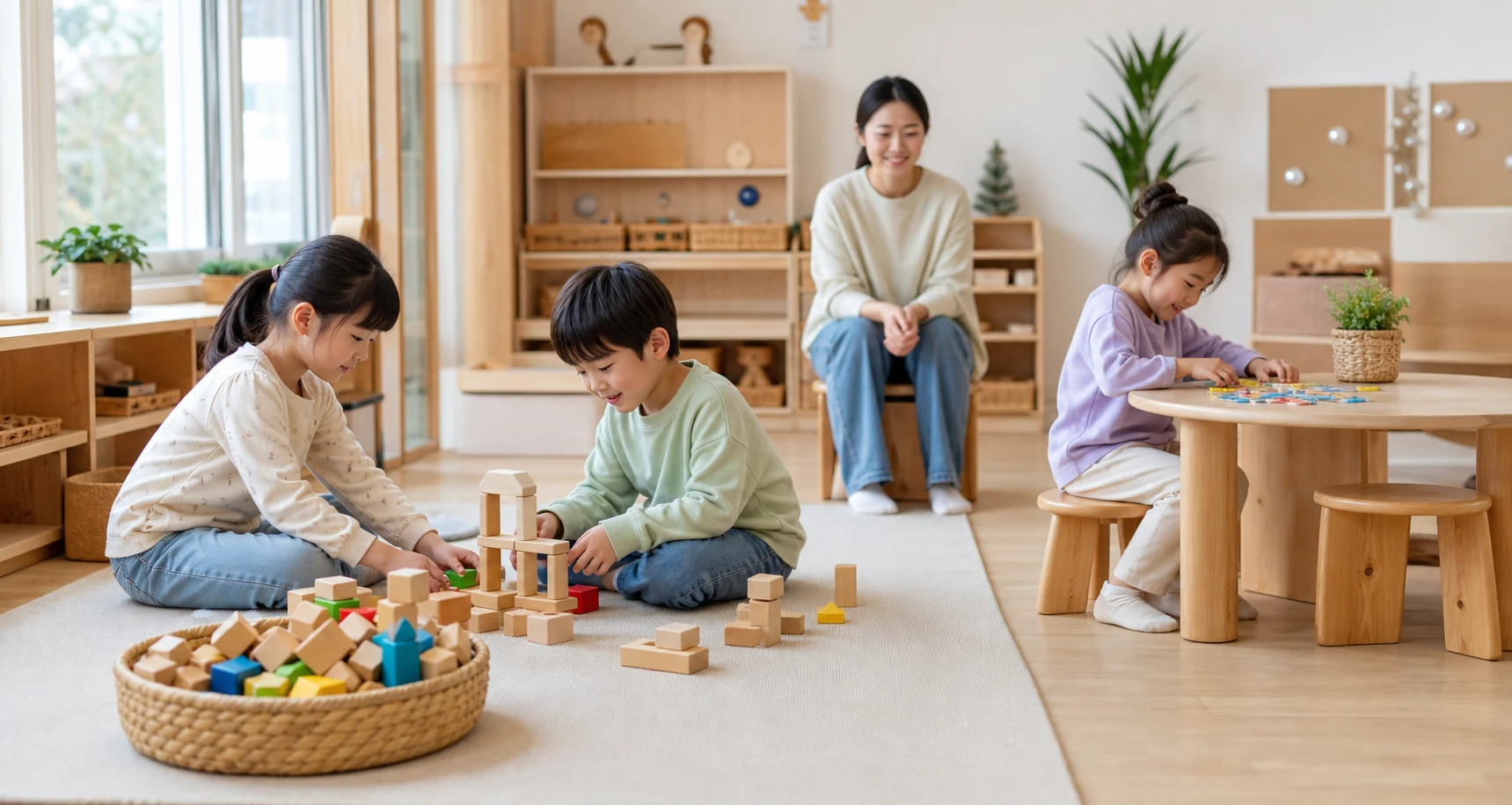
Even within the family, ask before hugging or entering a room. If your child says no, choose another greeting or wait. In emergencies or for essential care, adults still explain why and take responsibility for safety.
Key point
Ask before hugging or entering a room, and respect a no. In emergencies or for essential hygiene or medical care, explain why and help only as much as needed.
What to remember
- Ask before hugs and kisses. If the child says no, choose another greeting or give them space.
- Practice knocking and asking to use belongings or spaces separately from asking permission to touch.
- Adults explain and take responsibility for safety, hygiene, and medical care.
Ask before showing physical affection, too
Even within the family, ask before a hug, kiss, or having a child sit on your lap: "Can I give you a hug?" or "Would you like to just hold hands?" If the child says no, do not use hurt feelings to persuade them or punish them. Choose another way, such as waving, a high five, or saying hello. A child's no does not mean they dislike their family.
Children can begin learning about body boundaries and ways to ask for help when uncomfortable through everyday life at home. Asking permission does not mean children must prevent every danger. It helps create an environment where trusted adults listen to them.
Talk separately about permission for touch and space
Explain and ask before touching a child's body, whether hugging, touching their hair, or helping them change clothes. Practice knocking, entering rooms, and using belongings or spaces with everyday questions: "Can I come in?" or "Can I use your toy?" Give your child a chance to use the same words.
Do not put all the responsibility for decisions on the child. Respect the child's wish for time alone while providing supervision suited to their age and the situation. Adults should avoid getting angry or teasing when they hear no.
Essential care calls for an explanation and minimal touch
Adults may need to provide emergency help, prevent injury, assist with hygiene such as toileting and bathing, or provide necessary medical touch even when a child objects. Explain the reason and any choices available: "I need to hold your arm to wash this wound. You can choose the water temperature."
Do not force the task to finish quickly or keep touching longer than necessary. Use the minimum contact needed for safety. If the child says they are uncomfortable, adjust the pace and order where possible. The exception for essential care is not a reason to force affectionate touch from family members.
Do not keep safety concerns secret
If a child tells you about inappropriate touching, pressure to keep secrets, or something that raises concern about abuse, believe them and put safety first. Do not interrogate them by repeatedly asking, "Why did you do that?" or promise to keep it secret. Tell an adult who can connect with local reporting, medical, and protection services.
Practicing how to ask permission cannot identify abuse or guarantee its prevention. The key is for adults to create a safe environment and ways to get help without placing responsibility on the child.
Choose words the family can use together
Choose short, easy-to-repeat phrases that fit your family: "You can say no if you don't want to," "I'll knock before I come in," or "We need to wash now to keep you safe. Should I stand beside you or in front of you?" Wait if the child does not answer right away, and talk as a family about times when a no was accepted.
If there is extreme fear, an injury, or a safety concern, seek the professional help needed instead of repeating practice conversations. Asking permission and adults' duty to protect can go together.
Worksheet
Our family's agreements about permission and care
List everyday things to ask about first separately from things adults need to help with for safety. These are notes for a family conversation, not a chart that puts responsibility for safety on the child.
- Affection
- Ask before hugs and kisses, and choose another greeting
- Space
- Knock and ask before using belongings or spaces
- Saying no
- Respond without anger and choose space, a wave, or another time
- Essential care
- Explain why, offer available choices, and use the minimum touch needed
- Help with safety
- Believe reports of inappropriate touching or pressure to keep secrets, and connect with protection services
Notes
- Respect a child's no while recognizing that adults are responsible for safety in emergencies and essential care.
- Practicing how to ask permission does not guarantee abuse prevention or mean stopping emergency or essential care.
- If hugs and kisses on the cheek are familiar greetings in your family, this practice does not ban affection. You can start by keeping your usual greeting and adding just one step: asking first.
- Offer the same choices through gestures or picture cards to children who have difficulty answering in words.
References
- American Academy of Pediatrics: What parents should know about child sexual abuse
- American Academy of Pediatrics: Talking with young children about bodies and sex
- CDC: Safety planning for children with disabilities
This is general guidance for family conversations. It does not replace an abuse investigation, medical treatment, or emergency response.