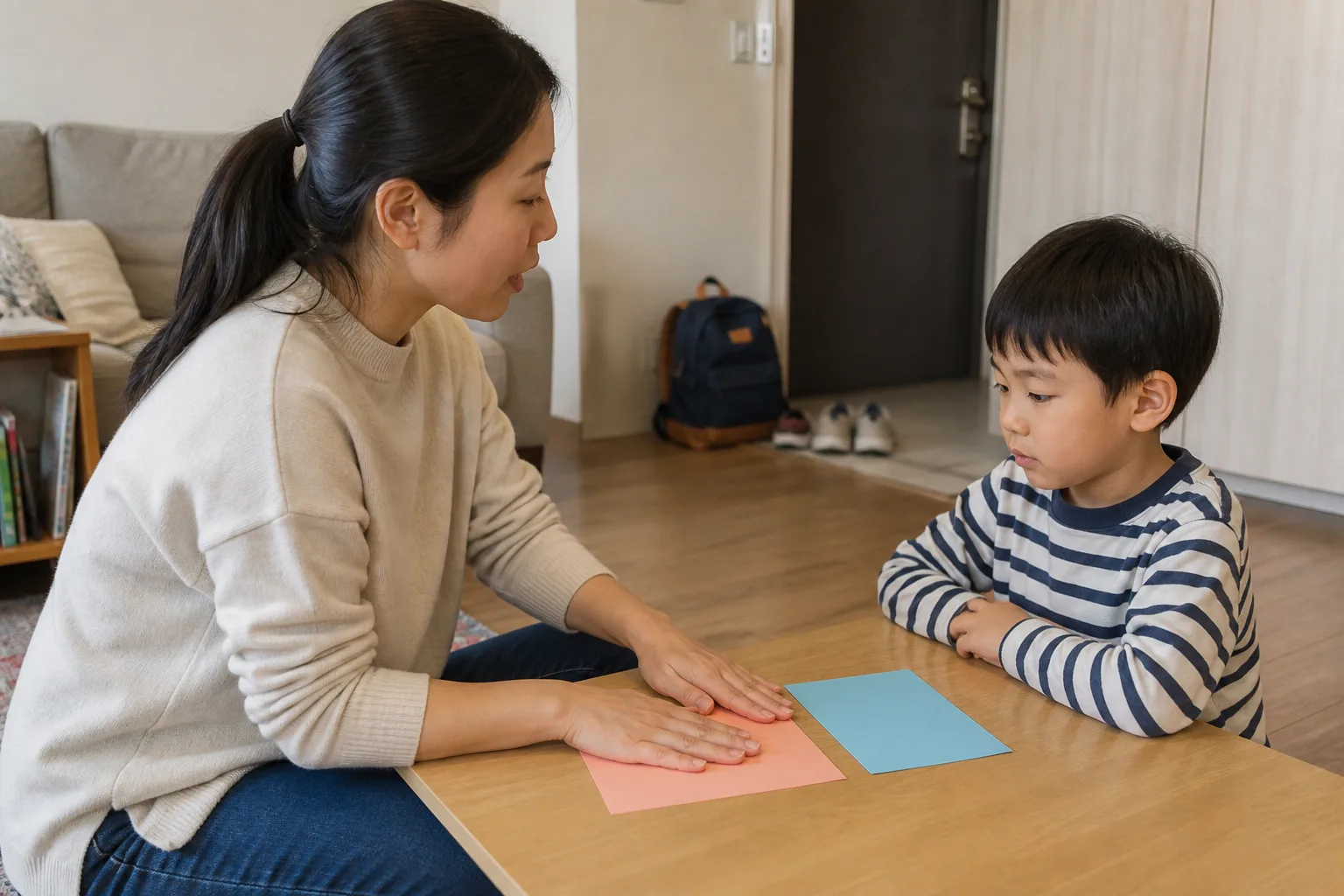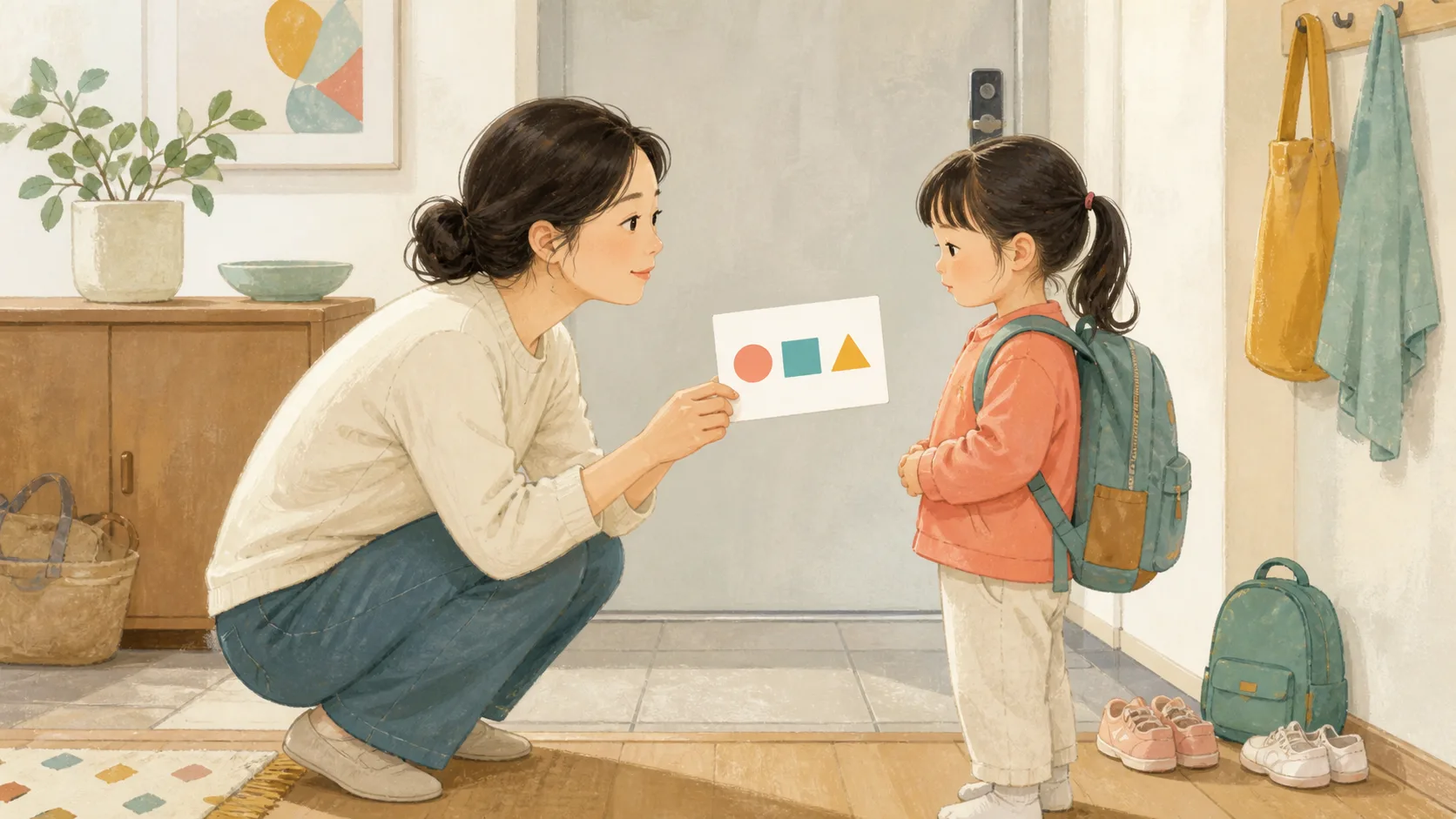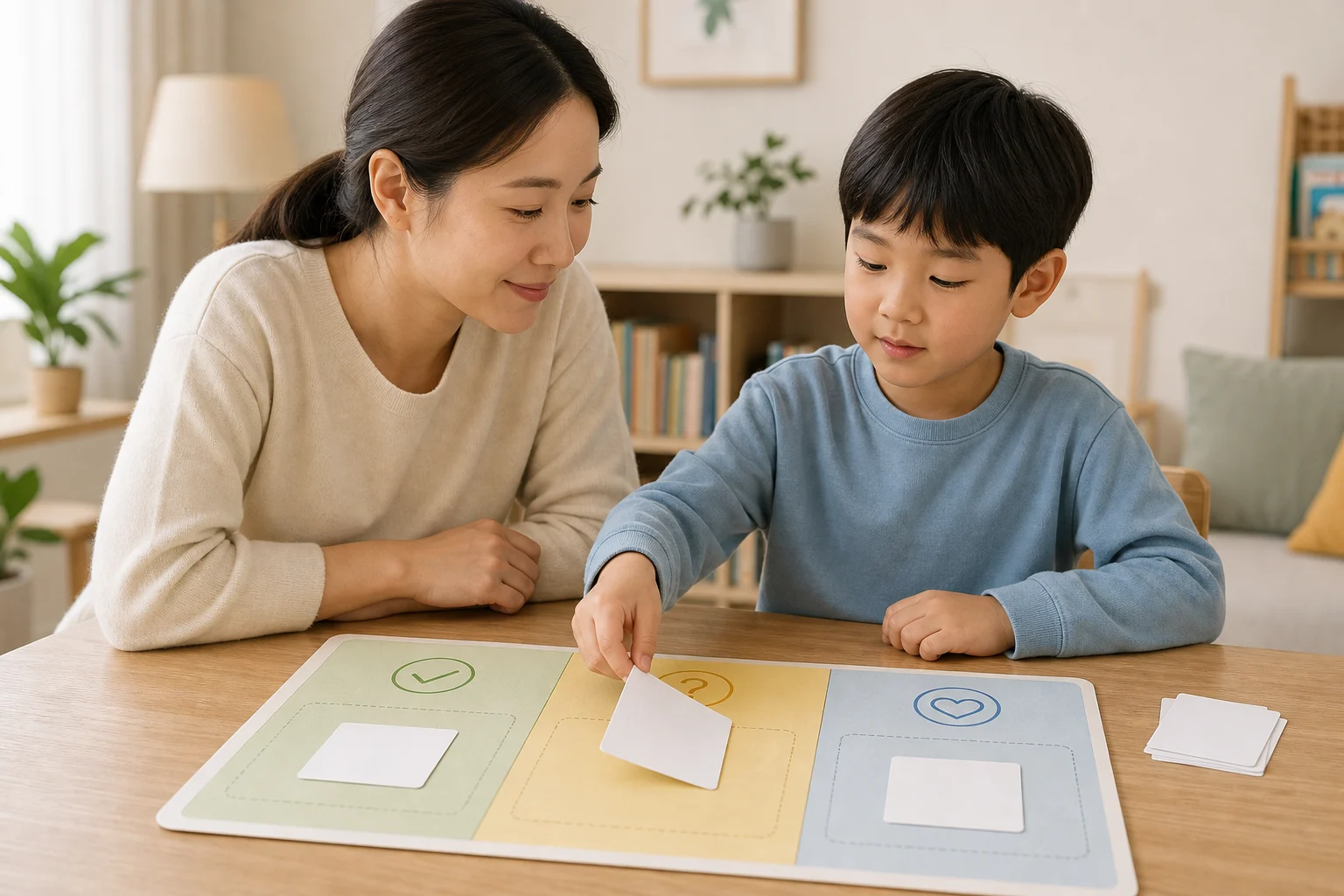
If your child hits or bites, say, "Stop. Hitting hurts. I won't let you hit," as you safely separate the children and move dangerous objects away. Check on the person who was hurt first. You may be startled and want to ask, "Why did you do that?" The reason can wait until everyone is calm.
Key point
Say briefly, "Stop. Hitting hurts. I won't let you hit," as you separate the children and move dangerous objects away. Then check on the person who was hurt.
What to remember
- Stop: Safely block hands or objects and create distance between the two children.
- Set a boundary: Briefly explain that the behavior hurts people and state the family rule.
- Observe: Once everyone is calm, look together at what happened just before and what to do instead.
Care for the person who was hurt first
If someone is bleeding or has had a hard impact, provide the care needed and check whether medical help is necessary. Do not leave the injured child waiting while you give the child who hurt them a long explanation.
Keep the child who hurt someone in a safe place away from dangerous objects, too. If you are upset, ask another caregiver to look after one of the children.
Keep your first words short and specific
For hitting, biting, or kicking, be specific: "That hurts people." Briefly repeat the family rule, "We do not hurt people." A child who is upset cannot take in a long lecture, so keep the explanation to one or two sentences.
Labels such as "bad child" or "violent child" do not tell children how to change their behavior. Do not define a child's character by a single action.
Look for the reason once everyone is calm
Once your child is calm, look at what happened just before. Was a toy taken away? Was it hard to express something in words? Was the space too crowded, or was your child tired? Do not settle on a cause after one question. Look for conditions that repeat over several days.
Practice just one action or phrase that fits the situation, such as "No," "It's my turn," or "Help me." Instead of forcing an apology, check together on the child who was hurt. You can also help your child do something to make things right, such as picking up scattered toys.
Ask for help if it keeps happening
Talk with your pediatrician if aggressive behavior injures your child or someone else, or makes you fear for other people's safety. Concerns about speech, play, or movement, or new difficulties with eating, washing, sleeping, or attending child care are also reasons to seek advice, even without these signs of aggression. Keep brief notes on what happened before the behavior, the behavior itself, your response, and what happened afterward.
If you or another family member feels likely to hurt the child, safely create distance from the child and call another adult or emergency support.
Worksheet
Stop, set a boundary, observe
Keep what needs to happen right away separate from what can wait until everyone is calm.
- Stop now
- Separate the children, move dangerous objects away, and check on the person who was hurt
- A brief boundary
- Stop. Hitting hurts. I won't let you hit.
- Observe later
- Look at what happened just before and find one phrase or action to use next time
Notes
- The ways of explaining rules described here are intended for children ages 2 to 4.
- If being held makes the child more upset, move the injured child away first to create distance instead of holding the child who hurt them. If one adult is watching several children alone, it is enough to separate them and check their safety. Explaining the rule can wait.
- Serious wounds, head injuries, and deep bites from people or animals may need medical assessment beyond general behavior guidance.
References
- AAP HealthyChildren: Aggressive behavior and when to call your pediatrician
- CDC: Explaining family rules about hitting, biting, and kicking
- CDC: Talking with a healthcare professional about developmental concerns
This is general guidance on young children's behavior. It does not replace wound care, developmental assessment, crisis response, or individual family counseling.