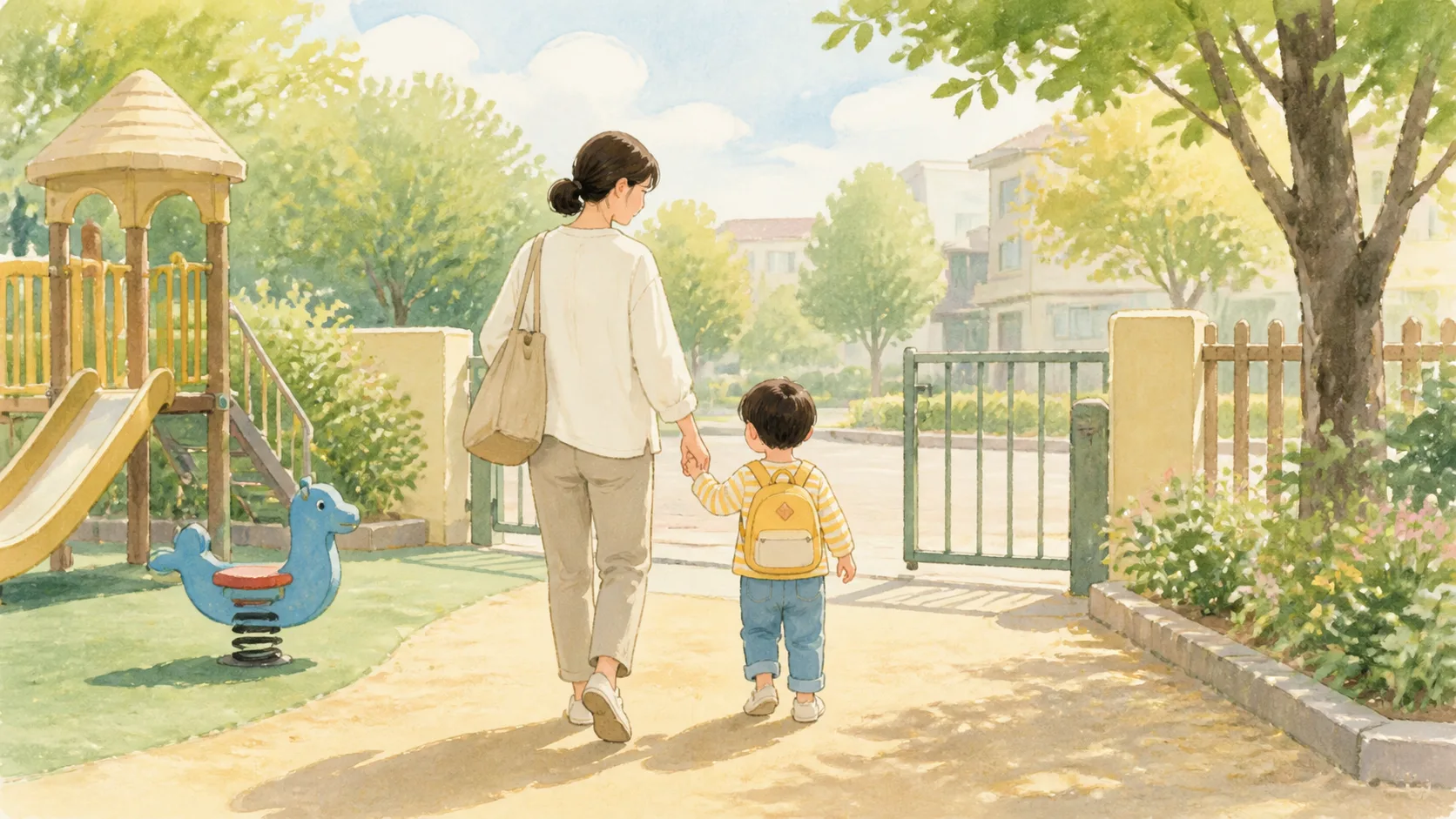
When a child stiffens or cries in front of the car seat as you need to leave, a parent can feel rushed. Still, do not decide to hold your child for this trip or assume driving slowly will make it safe. Stop the car first, then separate the small choices your child can make from the restraints that must be used.
Key point
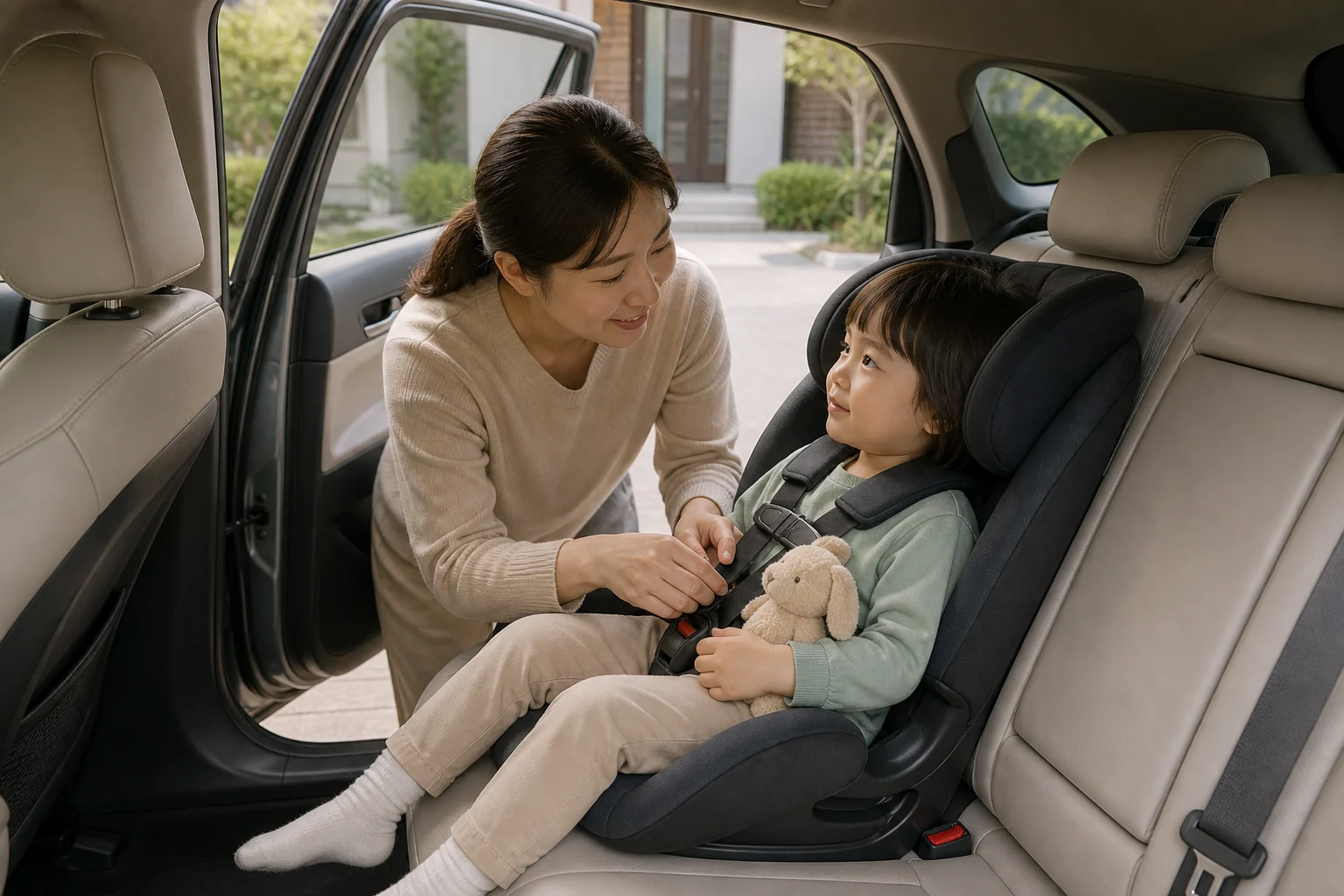
Use a restraint that fits your child's age, height, and weight and follows the car seat and vehicle manufacturers' instructions. While fully stopped, check that straps are not twisted and that the buckle and harness fit correctly. If the seat has a chest clip, check its position and closure as directed in the manual. Do not drive until your child is secured. Take complaints of discomfort seriously and check the seat's fit and installation.
What to remember
- State car seat use and the condition for leaving briefly rather than making them a question.
- While stopped, check the buckle, harness, and any twisted straps. Follow the manual for your seat if it has a chest clip.
- Follow manufacturer instructions and use a certified inspection resource instead of thick coats or unapproved pads and clips.
Separate the condition for leaving from small choices
Instead of asking, "Do you want to get in the car seat?" say, "It is time to sit in your car seat. Do you want to climb in, or should I help?" Sitting and using the restraint are conditions for leaving that an adult manages. Your child can choose one song, one soft object to hold, or which side to enter from, as long as the choice does not change safety.
Do not rush to pull your child or threaten them because they resist. With the car fully stopped in a safe place, repeat in a low voice, "We can leave after you sit down. I will buckle you when you are ready." A short trip, low speed, or familiar road is not an exception to using a restraint.
Finish the check before driving
Once your child is seated and the vehicle is fully stopped, check that the buckle is latched, the harness and any chest clip supplied with the seat match the manufacturer's instructions, the straps are not twisted, and the harness is snug against your child. Do not try to fix it in a mirror while driving or ask your child to tighten it. Do not drive until your child is properly secured.
Age alone does not determine the right car seat or booster. Check your child's height and weight, the seat and vehicle manuals, and the product limits together. NHTSA advises following product and vehicle manufacturer instructions and getting an installation check when choosing a car seat or booster for a child.
Treat discomfort as a reason for a safety check
If your child says, "It hurts," or, "It is too tight," do not loosen or remove the harness just to stop the crying. Once stopped, check whether the straps are positioned correctly, clothes are too thick or bunched, the seat fits the child and vehicle, or the seat is damaged or affected by a recall. Give your child time to point to or describe what feels wrong.
Do not generally add thick coats under the harness or pads, clips, or cushions unless the manufacturer approves them. If you are unsure whether to add a product, check the manual and ask the manufacturer. Ask a certified car seat inspection resource about installation and fit.
Do not release the restraint while the car is moving
Even when your child cries or tries to get out, do not release the restraint to hold them while driving or fasten it loosely in exchange for driving slowly. Stop fully in a safe place before checking anything. Do not use a front seat with an air bag as the solution to refusal, and never leave your child alone in a vehicle.
If conflict repeats just before leaving, allow more preparation time and briefly practice sitting. With the car stopped, calmly repeat, "Sit, check the buckle, leave." Do not use crash videos, leave your child unattended in the car, or use physical punishment to gain cooperation. This practice does not treat a child's fear or assess readiness to ride alone.
Get separate help for emergencies and persistent refusal
After a crash, check the manufacturer's instructions and local medical and emergency guidance even if the car seat looks undamaged. If your child is injured, has trouble breathing, or raises concerns about consciousness or pain, seek emergency assessment before trying to resolve the car seat conflict.
Do not call it stubbornness alone if severe fear, pain, or vomiting happens every time, or if sensory or movement difficulties continue with pressure from clothing, sitting, or travel as well as in the car. Record the seat, clothing, strap position, and time of day when trouble occurs, then tell a pediatrician or relevant professional. If installation is uncertain, start with the manufacturer's manual and a certified inspection resource.
Worksheet
Restraint check card before driving
Use this card only in a safe place while the vehicle is fully stopped.
- Seat fit
- Your child's size and what to check in the car seat and vehicle manuals
- Buckle and straps
- Latching, twists, snugness, and manufacturer instructions
- Child's choice
- One choice that does not affect safety, such as a song, an object to hold, or a door
- Discomfort check
- Facts about clothing, straps, the seat, damage, and recalls
- Connect with help
- Questions for the manual, manufacturer, certified inspection resource, or health care professional
Notes
- Do not drive until your child is properly secured, and do not adjust the restraint while driving.
- Never leave a child alone in a vehicle. After a crash, injury, or breathing difficulty, seek emergency help first.
References
- National Highway Traffic Safety Administration: Car seat and booster safety
- National Highway Traffic Safety Administration: Car seat installation tips
- National Highway Traffic Safety Administration: Finding the right seat for your child
- National Highway Traffic Safety Administration: Keeping children safe on the road
This is general vehicle restraint guidance. It does not replace interpretation of local law, an installation decision for a specific product or vehicle, or diagnosis and treatment of an injury or sensory or movement issue.