When you hear a door slam or a wall being hit, check hands and safety before asking why. Move dangerous objects and other people away before looking at what escalated the anger. Threats of self-harm or harm to others and serious injuries require emergency support first.
Key point
If your child hits a door or wall, make the area safe and briefly tell them to stop. After everyone settles, check for injuries and broken items, then discuss what happened and how to put things right.
What to remember
- First create distance from doors, windows, corners, and other people.
- A calming space is not a locked room or a place of isolation.
- Threats of self-harm or harm to others and serious injuries require emergency support first.
Make the space safe first
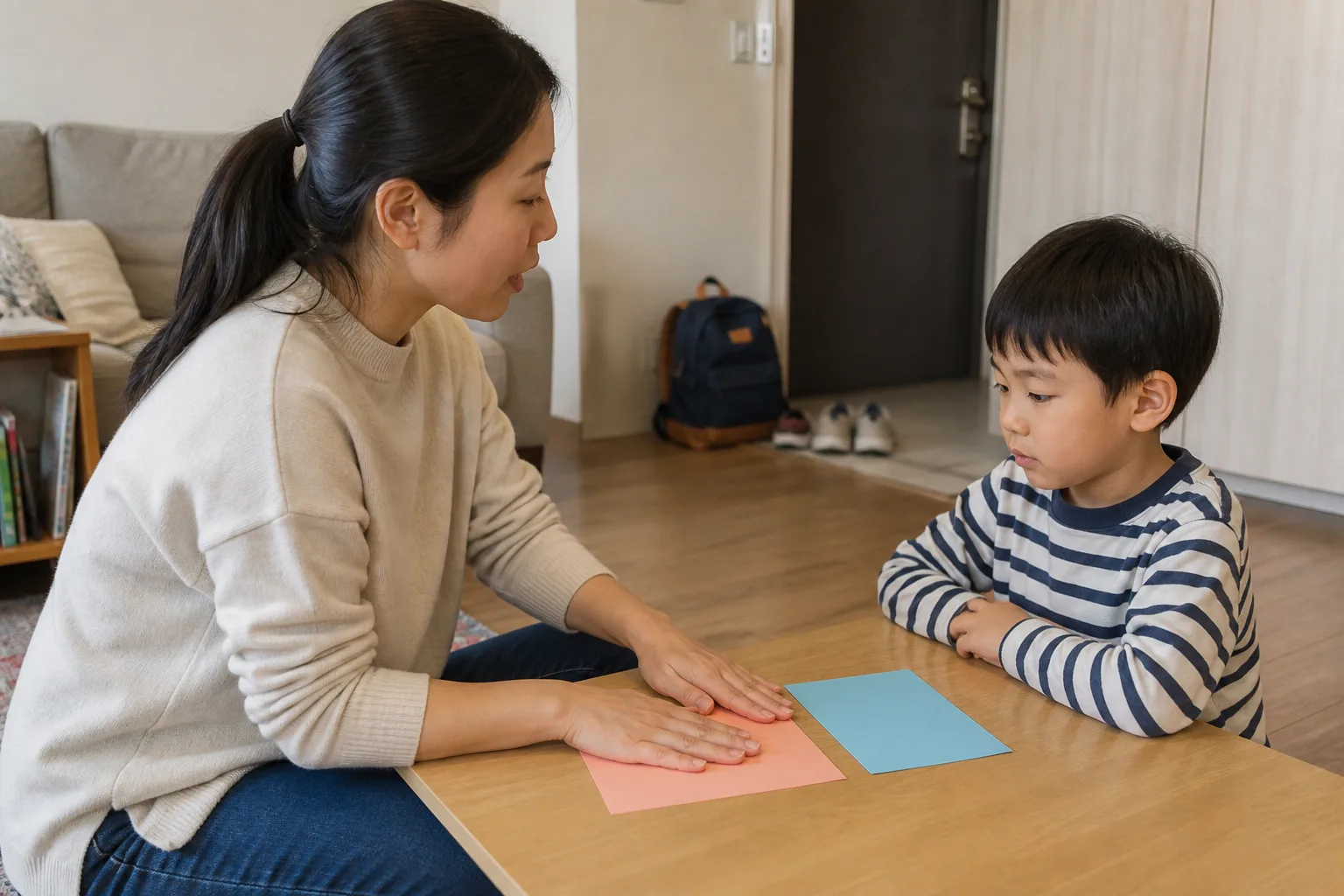
If your child hits a door or wall, move other children, animals, and breakable objects away, and create distance from door gaps, windows, and corners. Briefly name the action and destination: "Stop your hands. Let's go to the living room mat." Do not ignore door or wall hitting because it risks injury and trapped fingers.
A calming space is not confinement
A safe space is somewhere an adult can see, such as the floor beside a cushion. Do not use a locked room, dark closet, or prolonged isolation, and do not leave young children alone. Do not block the door with your body, respond by breaking things, or use physical punishment.
Prepare a place for a different movement
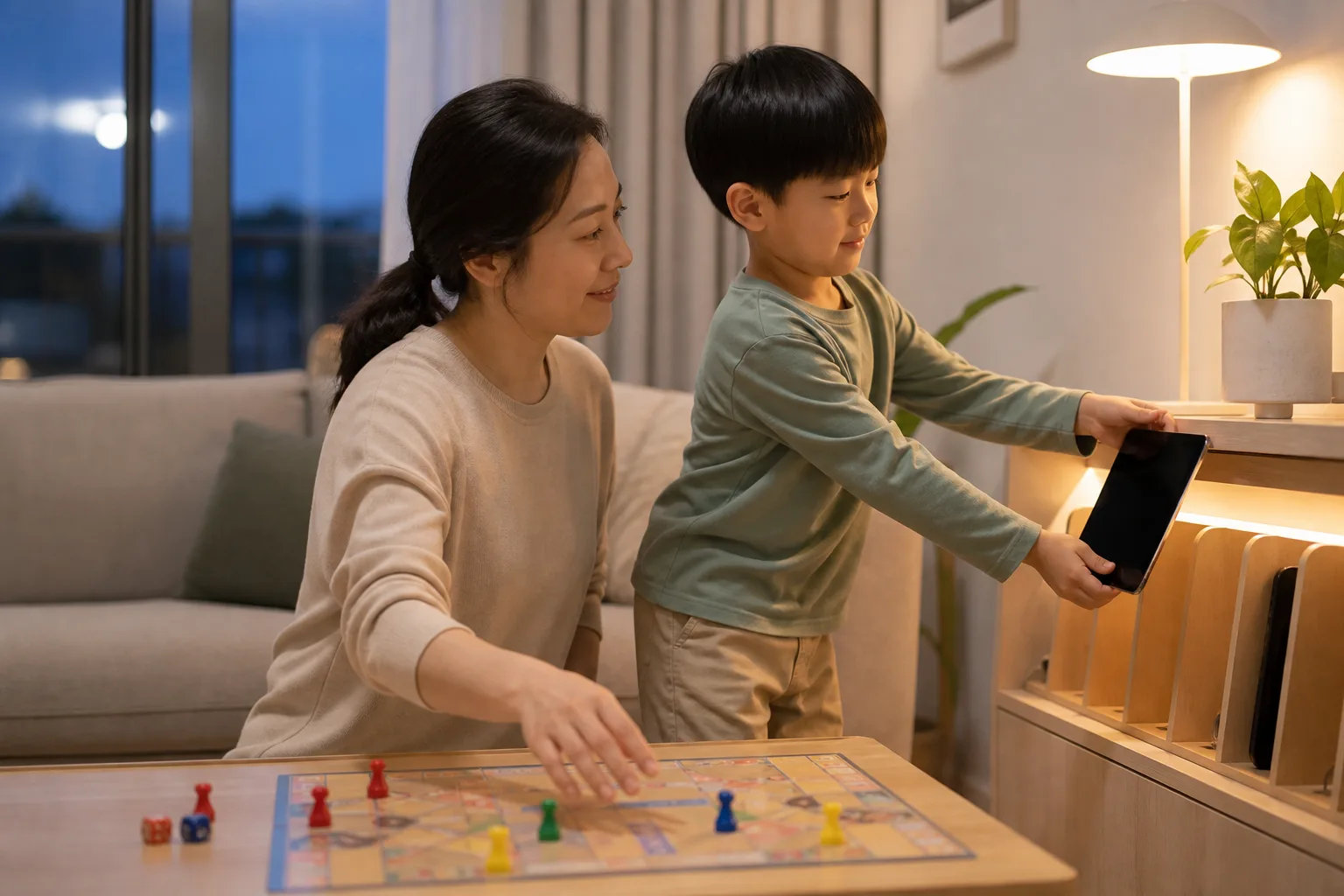
Decide ahead of time where hands can go during anger. Choose safe actions at home, such as holding a cushion, drinking water, or sitting on the floor with an adult. Do not promise these will erase anger. Use them to create distance from doors and walls.
Keep the explanation brief after everyone settles
Only after both you and your child are calm, state the risk in one sentence: "Your hand could have been hurt when the door closed." Long lectures or bringing up many past incidents can stir emotions again. Start repairs with one small task possible that day.
Check injury, damage, and repair after calming down
Once things settle, check hands and head for pain, swelling, or wounds, and inspect damage to the door or wall. Keep your child away from broken pieces. If they can, involve them in repair tasks such as putting up a do-not-use sign or bringing a towel. Separate feelings from behavior: "You can tell me you're angry, but we don't hit doors or walls."
Note the before and after in one line
Record what happened before the hitting, which areas were dangerous, and what helped after a short direction. Do not assume hitting walls or pillows releases anger. Do not call the behavior proof of a violent personality or an attempt to manipulate parents.
Get different help for immediate danger and frequent repetition
Threats of self-harm or harm to others, head banging, severe bleeding, deformity, changes in consciousness, or access to weapons need immediate emergency or crisis support. If behavior repeats or worsens and disrupts daily life, discuss a mental health assessment and an individual safety plan with a clinician.
Worksheet
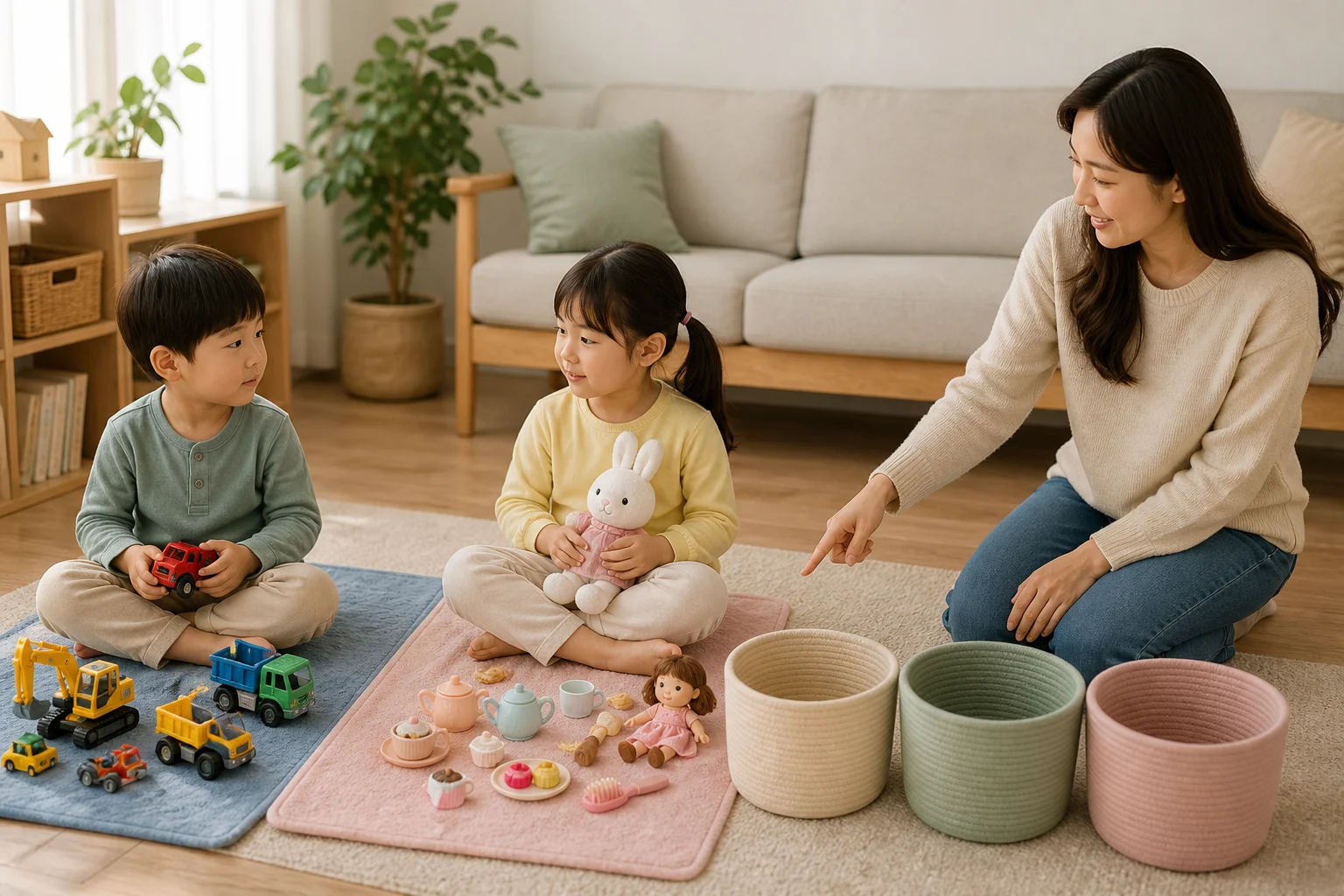
A map of safe calming spaces at home
Write down the space to secure first, without deciding what caused the anger.
- Move away immediately
- People, animals, and breakable objects
- Stop phrase
- A brief action to name
- Safe space
- A place to move where supervision is possible
- Check and consult
- Damage and signs that help is needed
Notes
- This map is not a treatment for destructive behavior or a tool for ignoring it.
- Secure safety immediately for door or wall hitting and risk of injury.
- Moving to another place does not suit every child. If talking or touching during an intense moment increases anger, use fewer words. Have an adult move dangerous objects and wait within sight while the child settles.
References
- CDC: Tips for using ignoring
- CDC: Tips for using consequences
- CDC: Steps for giving good directions
- CDC: Choosing a time-out location
This is general guidance on behavioral safety. It does not replace injury assessment, crisis intervention, or mental health diagnosis and treatment.