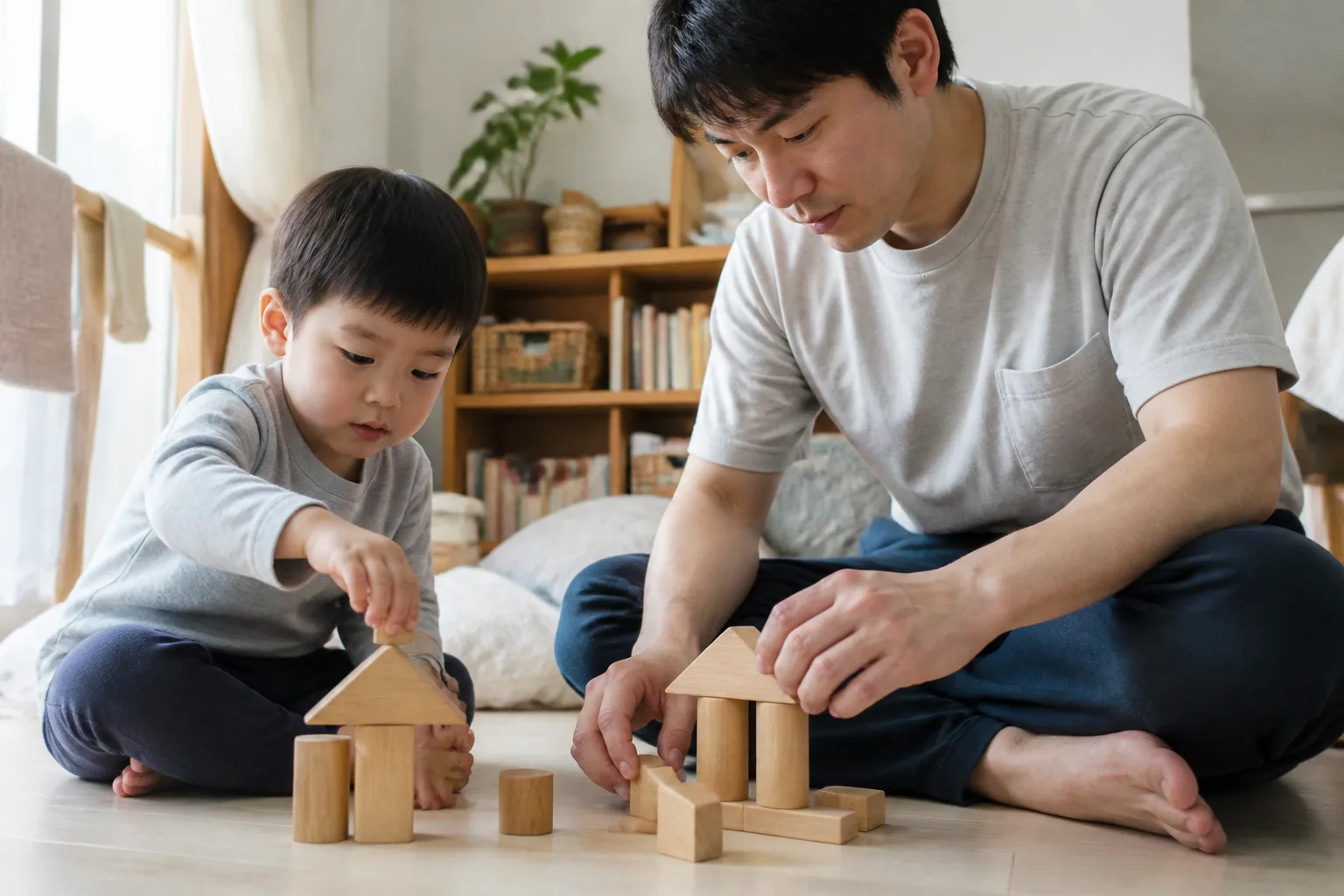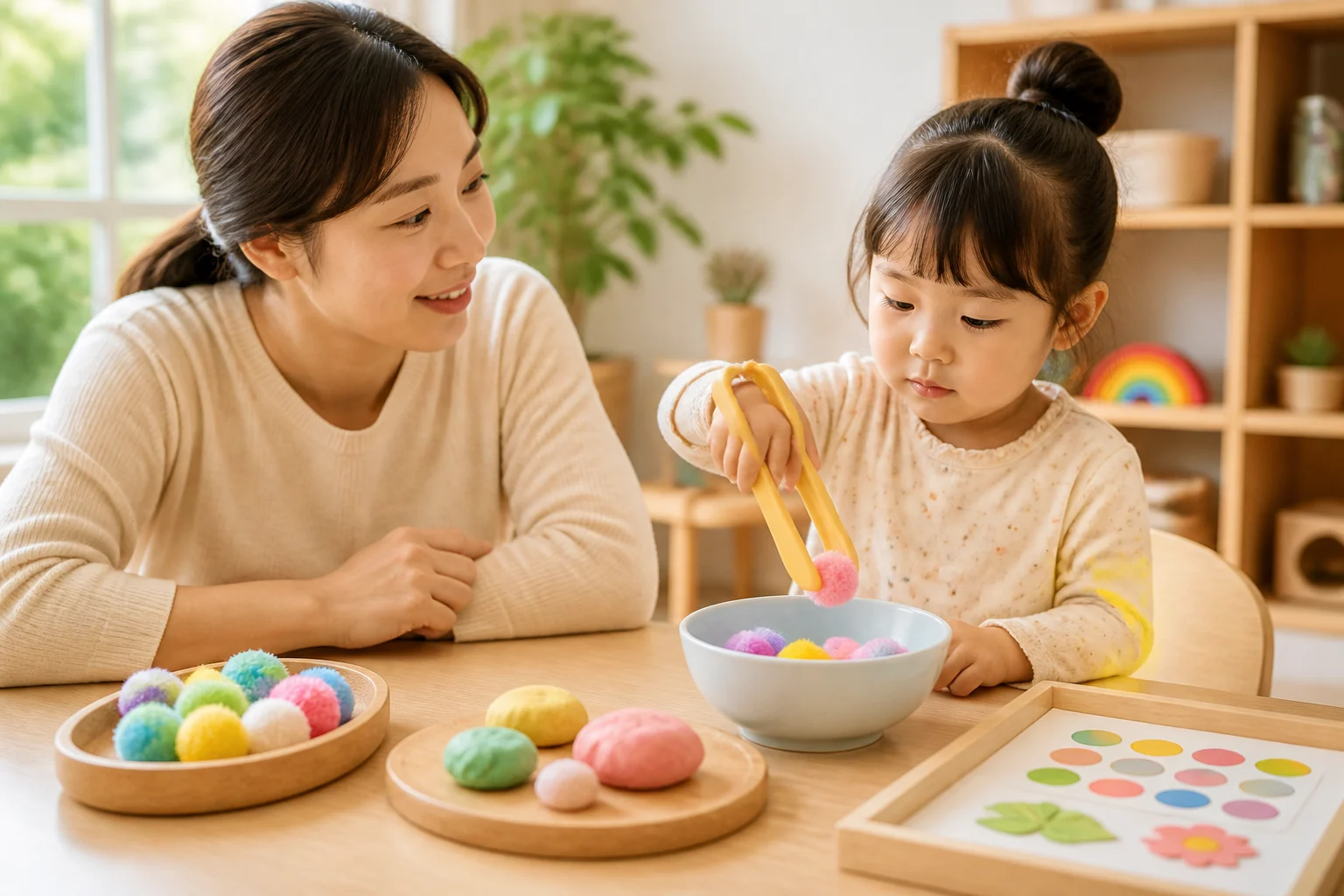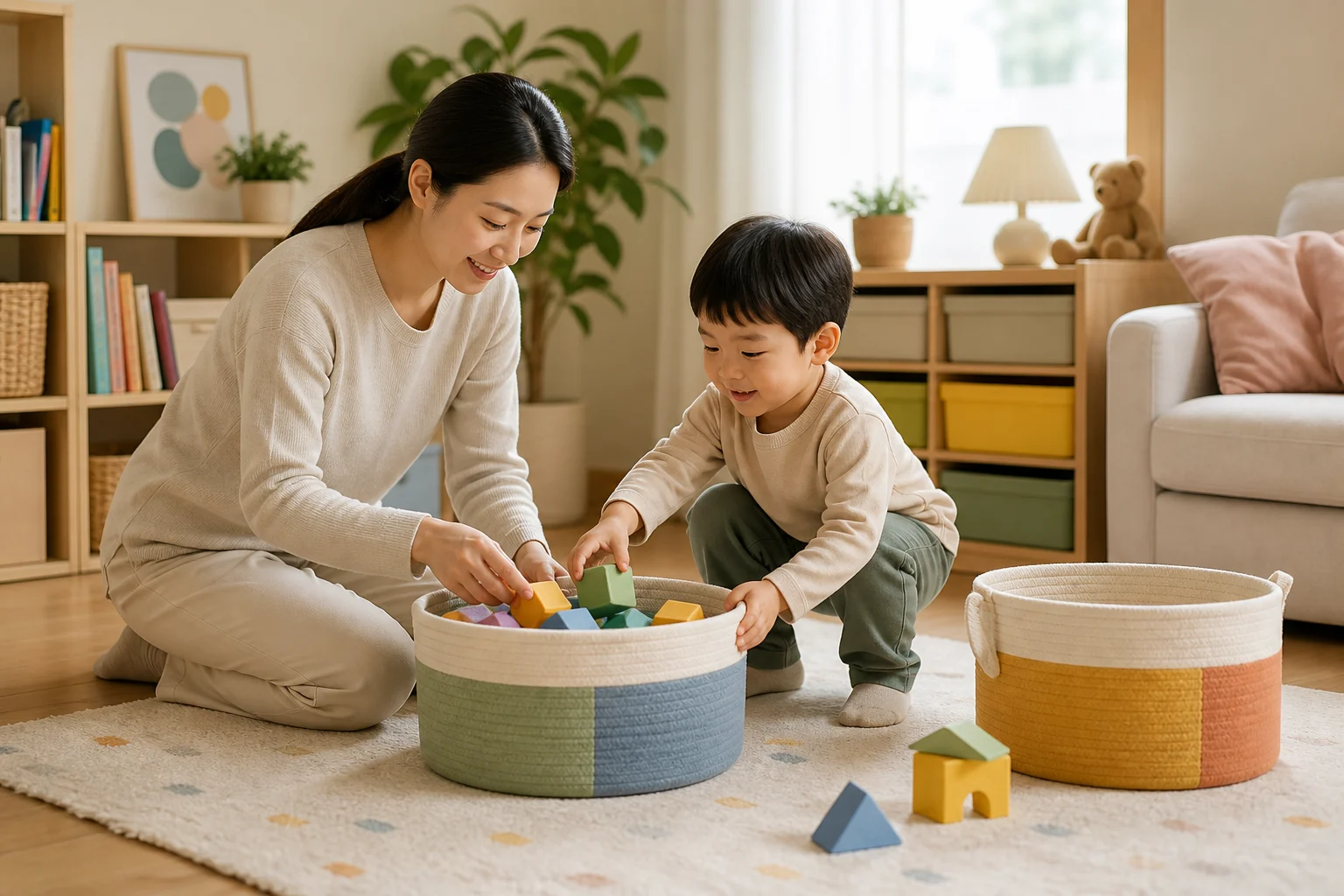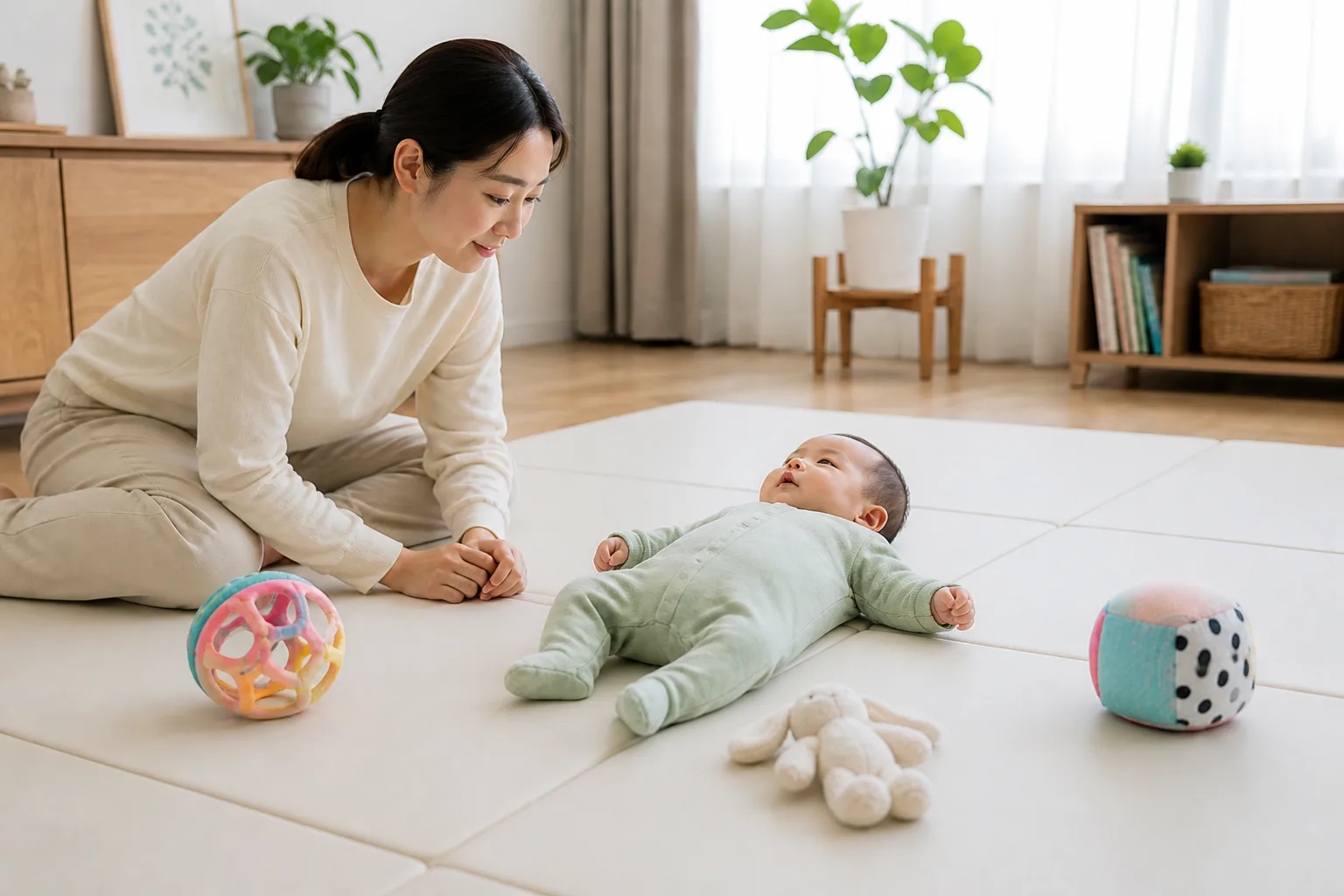
When you show your child a travel photo and the child quickly talks about something else, you may wonder if the long trip left no memory. Travel is not a memory test. It is enough to stay safely in a new place, notice one or two sensations together, and talk or play about them again at home.
Key point
Before leaving, briefly show a photo of the place you will visit. During the trip, spend time on one scene that interests your child. At home, revisit it through words, drawings, or play.
What to remember
- Before leaving, briefly introduce the place with one photo or part of a map.
- During the trip, describe one scene where your child stops and leave time to rest.
- After returning home, do not demand exact recall. Return to the scene through one photo, drawing, or game.
Do not score a trip by how much your child remembers
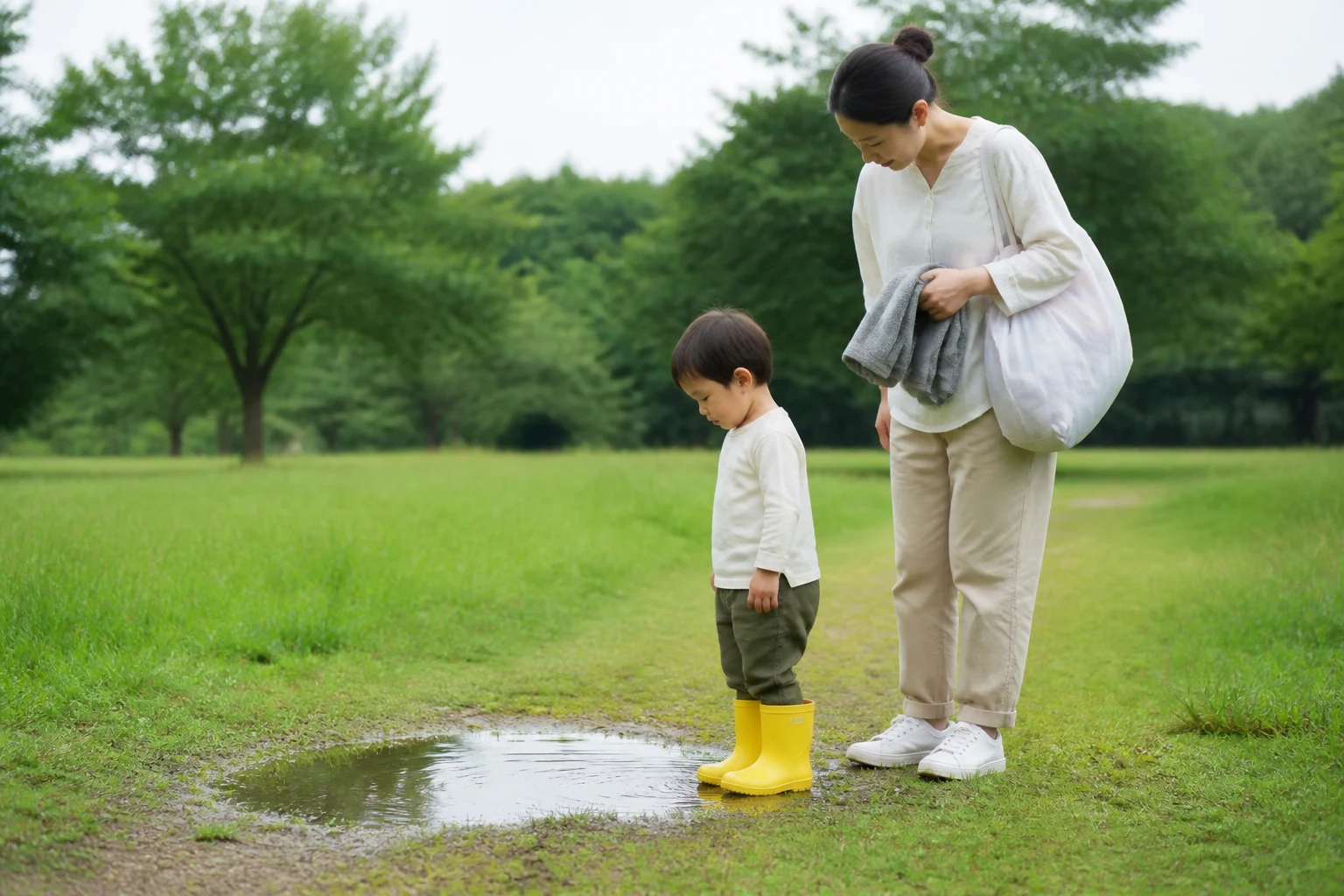
A young child may not name the destination, date, or travel order the way a parent does. Instead of asking, "What did we see? Do you not remember?" bring up a specific scene the child stopped to notice, such as a rock, the sound of waves, or a hotel elevator. You can ask without requiring an answer: "Do you remember the sound when that big door opened?"
Turning the purpose of a trip into a learning list leaves less room for a child to rest and observe. Seeing one fewer place does not make the trip a failure when your child is hungry or tired and needs rest.
Connect one thing before, during, and after
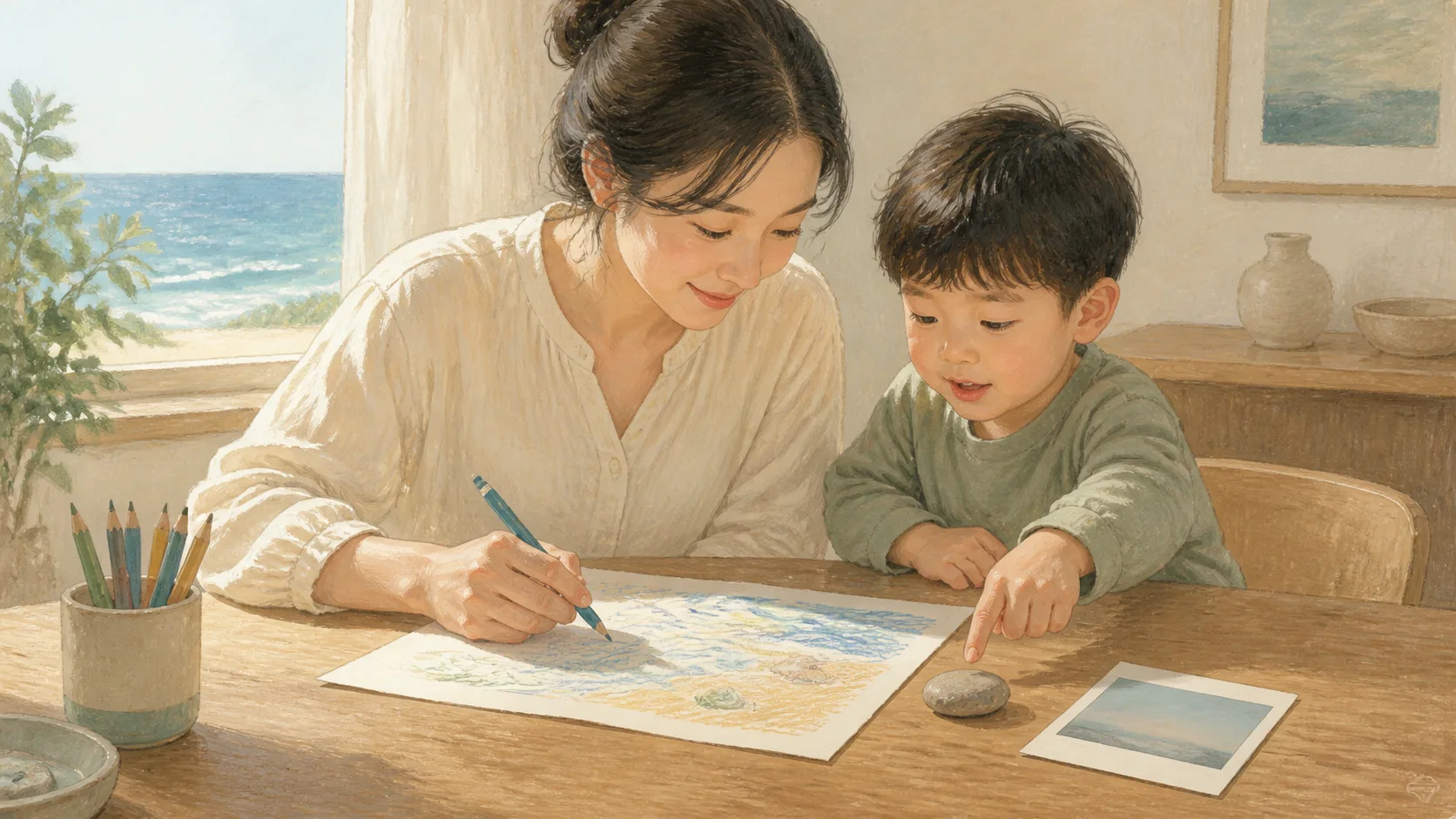
Before leaving, look at one photo of the destination and say one thing, such as, "Shall we feel the wind here?" During the trip, save one photo of a scene that interests your child or describe it: "The sand is touching your feet." At home, look at the photo and draw the same color or move dolls through a similar scene.
Including a child in travel plans and bringing a familiar toy or object may reduce travel stress. Giving the child a small choice in the schedule and keeping a familiar item nearby also prepare for safety and comfort.
Save your child's words before photos
Instead of taking many pictures, you can write one sentence about what your child pointed to. A short line such as, "The bus went bump," or, "The water was cold," is enough. If your child does not speak, record the gesture, expression, or place where the child stopped as your own observation. Do not present it as something the child said.
Do not turn photos into a memory quiz. Instead of saying, "You must remember this," speak from your own memory: "This photo reminds me that you put your hand on the window." If your child starts another story, follow it.
Safety comes before memory during travel
In a new place, check age-appropriate safety equipment in transportation and lodging. In case your child gets separated from you, place a card with the minimum needed caregiver contact information in a clothing pocket that is not immediately visible from the outside.
If your child has a fever, diarrhea, breathing problem, or chronic health condition, consult a medical professional and rest instead of pushing through the schedule.
Worksheet
A before, during, and after experience postcard
Briefly revisit one part of the trip before, during, and afterward instead of reviewing everything.
- Before leaving
- One photo, map, or object for your child to see and one sentence
- During the trip
- One sensory scene where your child stopped
- After coming home
- Choose looking at a photo, drawing, or pretend play
- Parent's record
- Write the child's words exactly and the parent's observations separately
Notes
- Do not compare your child's travel memories with another child or sibling.
- For a child who finds travel or an unfamiliar sleep space difficult, prioritize rest and a familiar short bedtime story over recording memories. Familiar pajamas should fit properly and suit the temperature. Keep stuffed toys, pillows, and loose blankets out of an infant's sleep space, and place the baby on their back on a firm, flat, separate infant sleep surface. Use the recording activity briefly and only when your child is comfortable.
- Discuss vaccinations, medicines, and management of chronic conditions for international travel with a medical professional before leaving.
References
- American Academy of Pediatrics: A safe sleep environment for infants
- Centers for Disease Control and Prevention: Safe travel with infants and children
This is general guidance for family travel and play. It does not replace travel medicine, vaccination advice, or medical care for a specific condition.