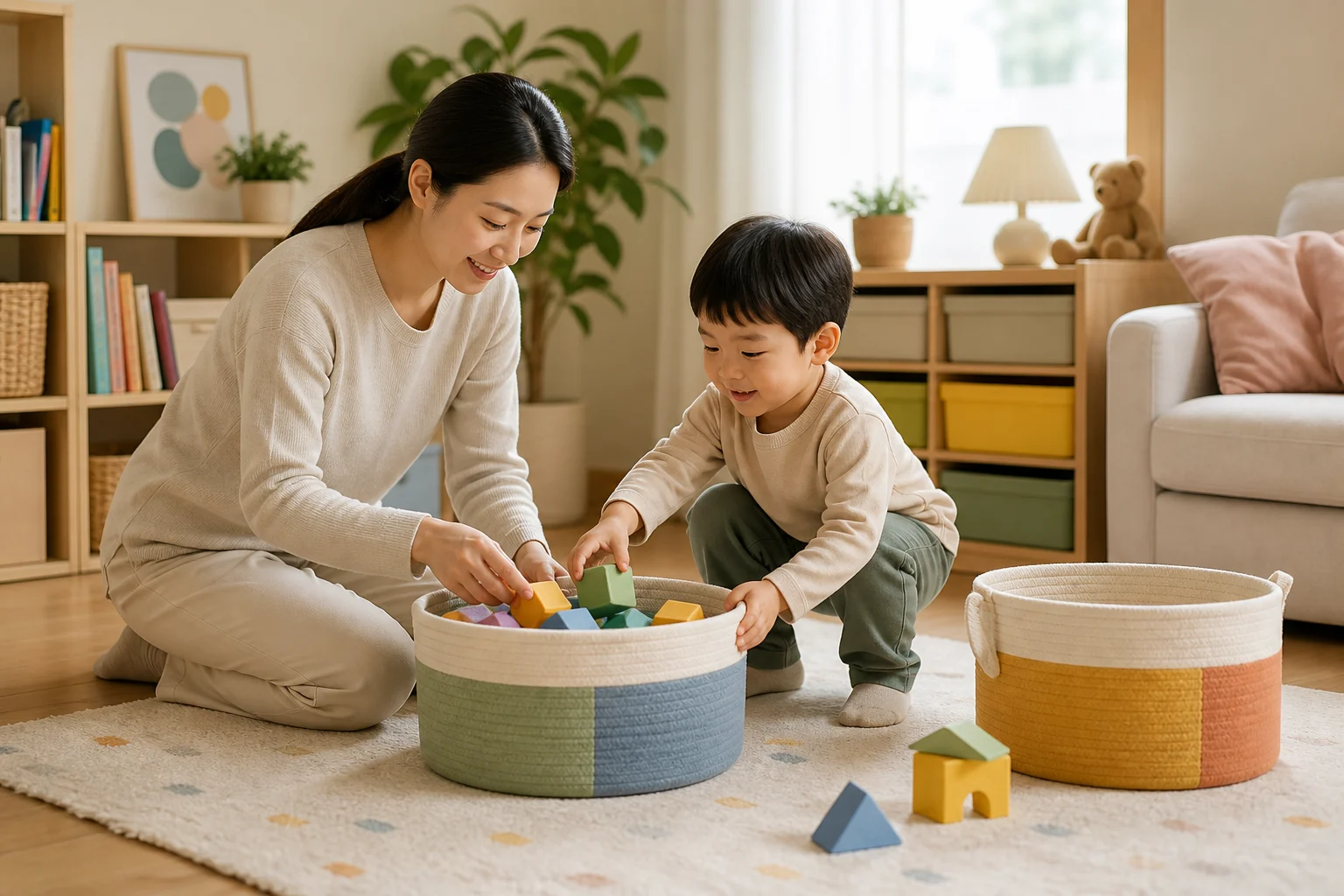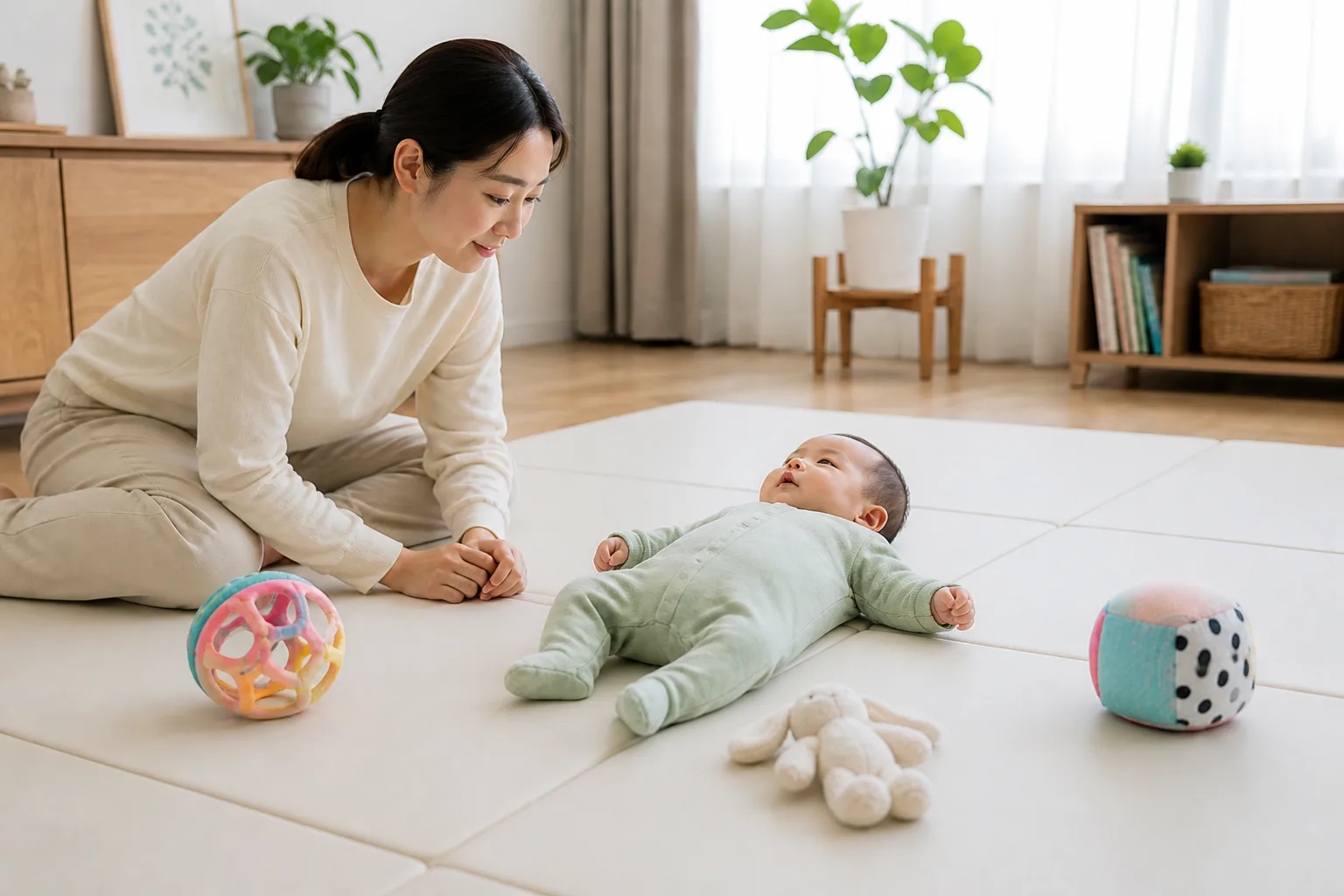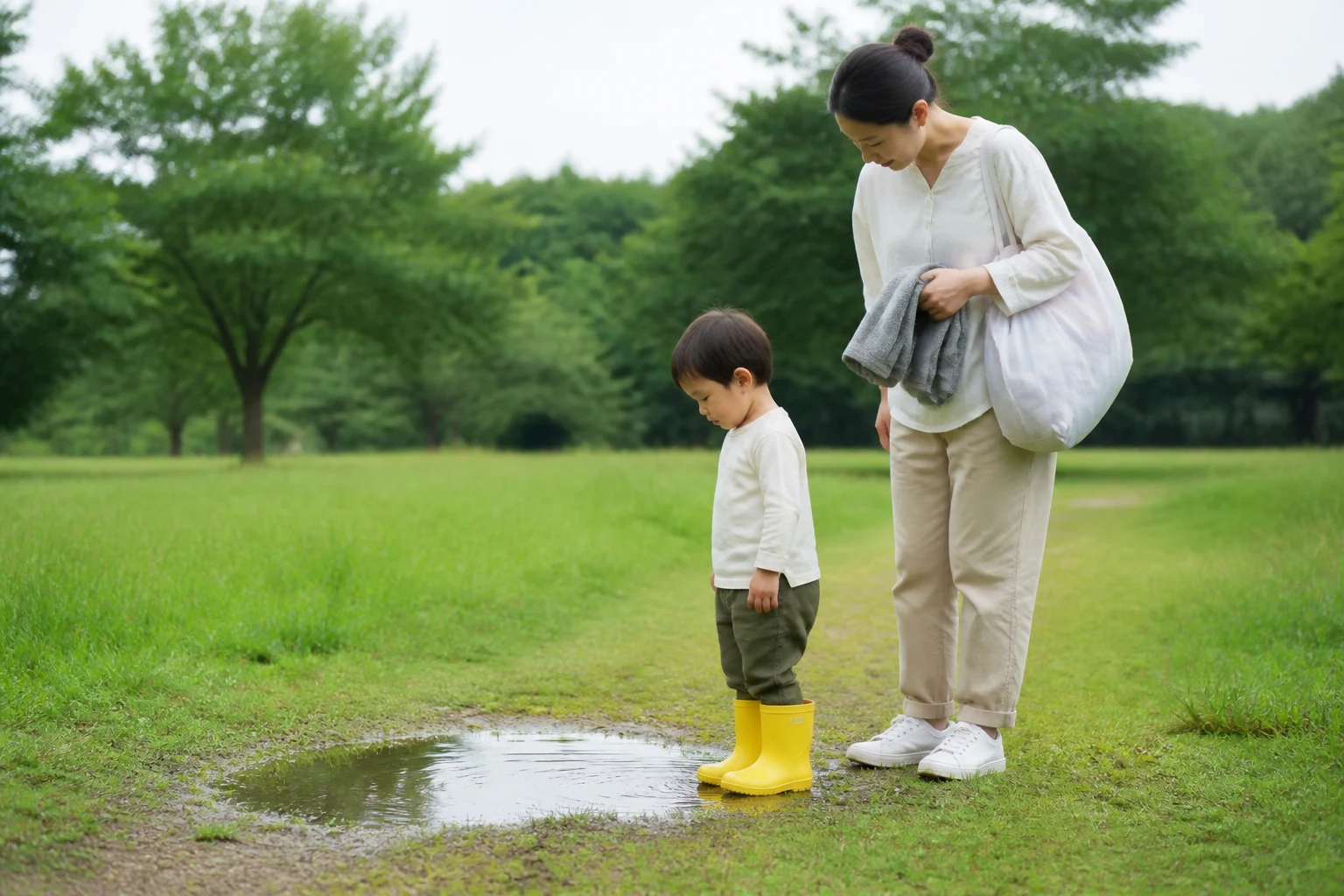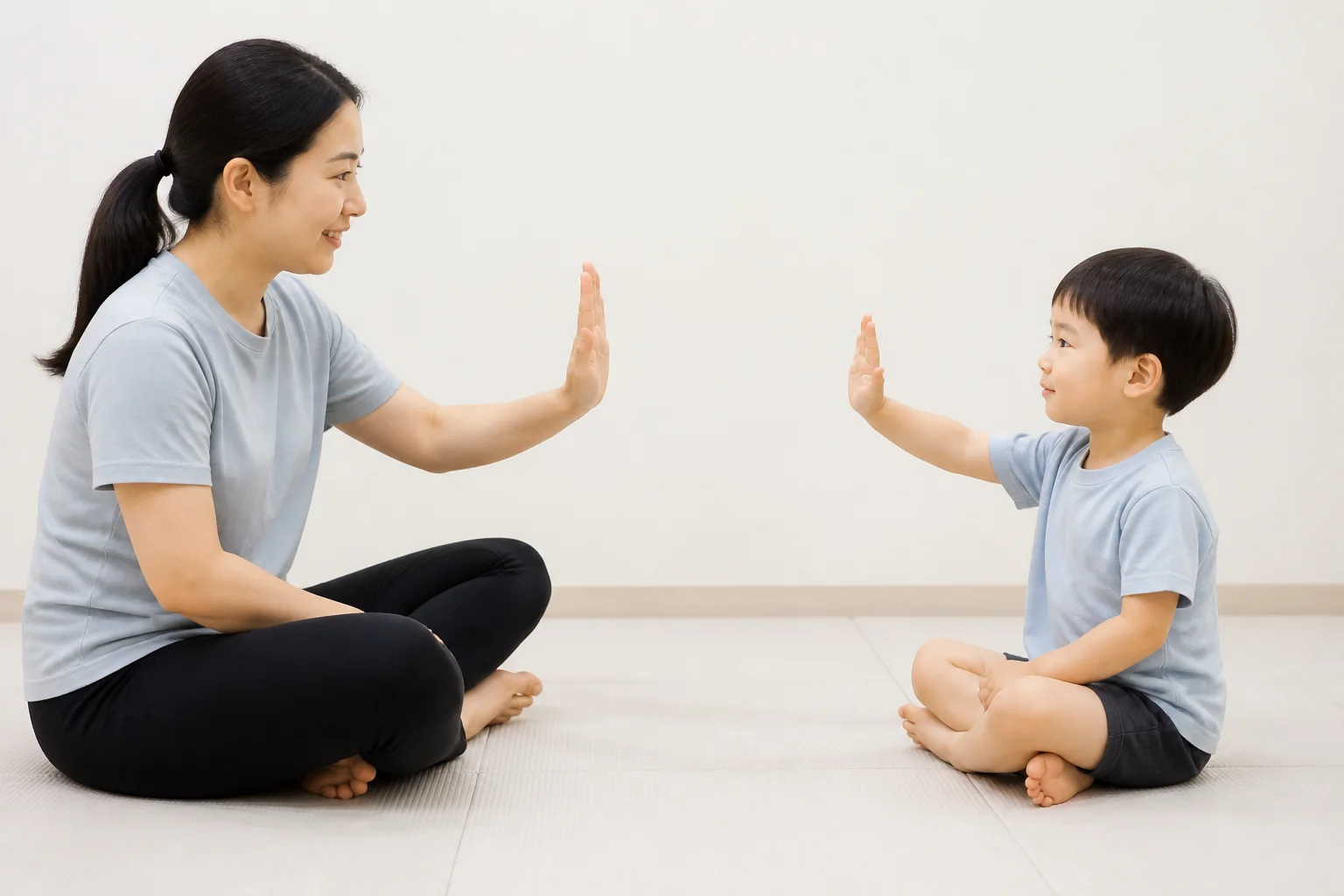
You may wonder whether daily workbook practice is needed to help your child hold a pencil well. Children use their hands while building with blocks, pressing dough, doing large puzzles, and peeling stickers. Rather than repeating the same line for a long time, choose one hand activity your child can comfortably join today.
Key point
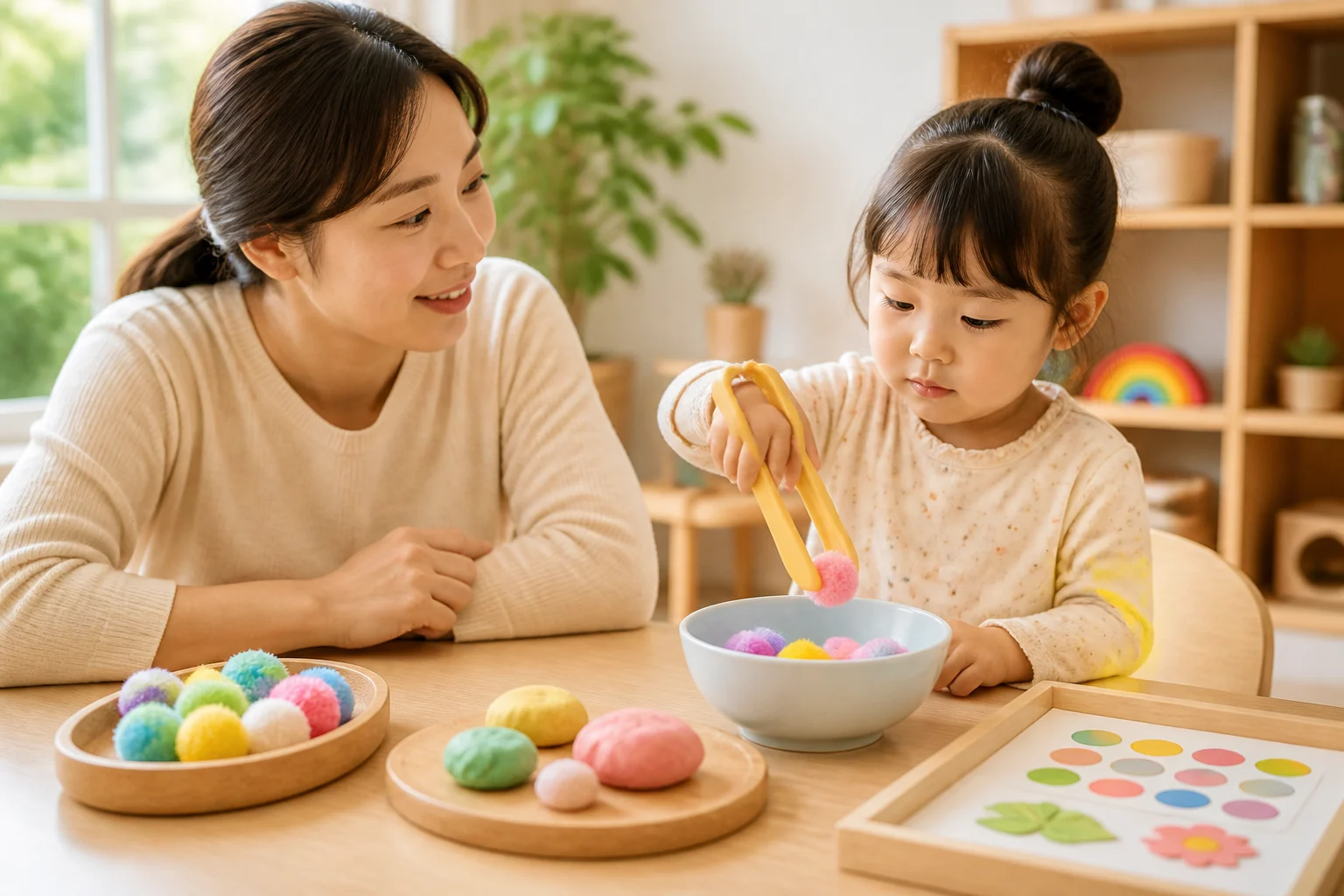
Start with an activity your child is comfortable with, using tongs, dough, large stickers, or paper. Stop if your child is in pain or tired, and remove small parts, magnets, batteries, and sharp scissors.
What to remember
- Blocks, clay, sticking things down, and moving containers offer plenty of chances to use the hands without workbooks.
- Offer one material at a time, and stop if your child loses interest or says it hurts.
- Seek advice about pain, reduced use of one hand, loss of skills, or difficulties that also affect eating and dressing.
Workbooks are not a requirement
Children use their hands and fingers in everyday play, including drawing, blocks, large puzzles, stringing large beads, clay, painting, sticking things down, and moving containers. Getting dressed and eating also give preschoolers chances to use and develop hand and finger skills. Skipping workbooks does not necessarily mean a child will be less ready for school.
When choosing an activity, watch how your child touches and moves materials and when they stop, rather than how long they sit. If nothing interests them, try another day instead of making them finish to build hand strength.
Bring out one material at a time
Offer one activity, such as using tongs to move large pom-poms into a bowl, pressing or rolling dough, placing large stickers on paper, or folding or tearing paper. If your child gets bored, finish or choose another material. This is not a homework chart requiring all four materials.
Let your child use whichever hand feels comfortable. Do not force them to switch. Avoid grading their grip, speed, or finished result, or repeatedly saying, "Make it pretty." Resting their hands or moving to another game is also a safe way to end the activity.
Check material safety and supervision first
Do not use small beads, magnets, button batteries, decorations that detach easily, or sharp regular scissors in young children's activities. For sticking activities, an adult should stay close and use age-appropriate, low-toxicity materials. Offer safety scissors only when the child understands how to use them and is supervised. Remove torn or broken materials immediately.
Before choosing toys or materials, check age labels, small parts, and damage. Even during a safe activity, if your child starts putting materials in their mouth, throwing them, or fighting with a sibling, put the materials away and create space before continuing hand practice.
Watch your child's response rather than counting repetitions
Instead of "Used the tongs three times," write one line about which material your child chose first, whether they switched hands, looked tired, or wanted help. This note records their interests and comfortable ways of working. It is not a scorecard for accelerating pencil grip, handwriting, or brain development.
If your child reports pain, uses one hand noticeably less, loses a hand skill they previously had, or keeps struggling across activities such as dressing, eating, and play, do not push through with repeated practice. Note when it began and which movements are difficult, and share this with a pediatrician or an assessment service such as occupational therapy.
Keep hand activities brief and close to everyday life
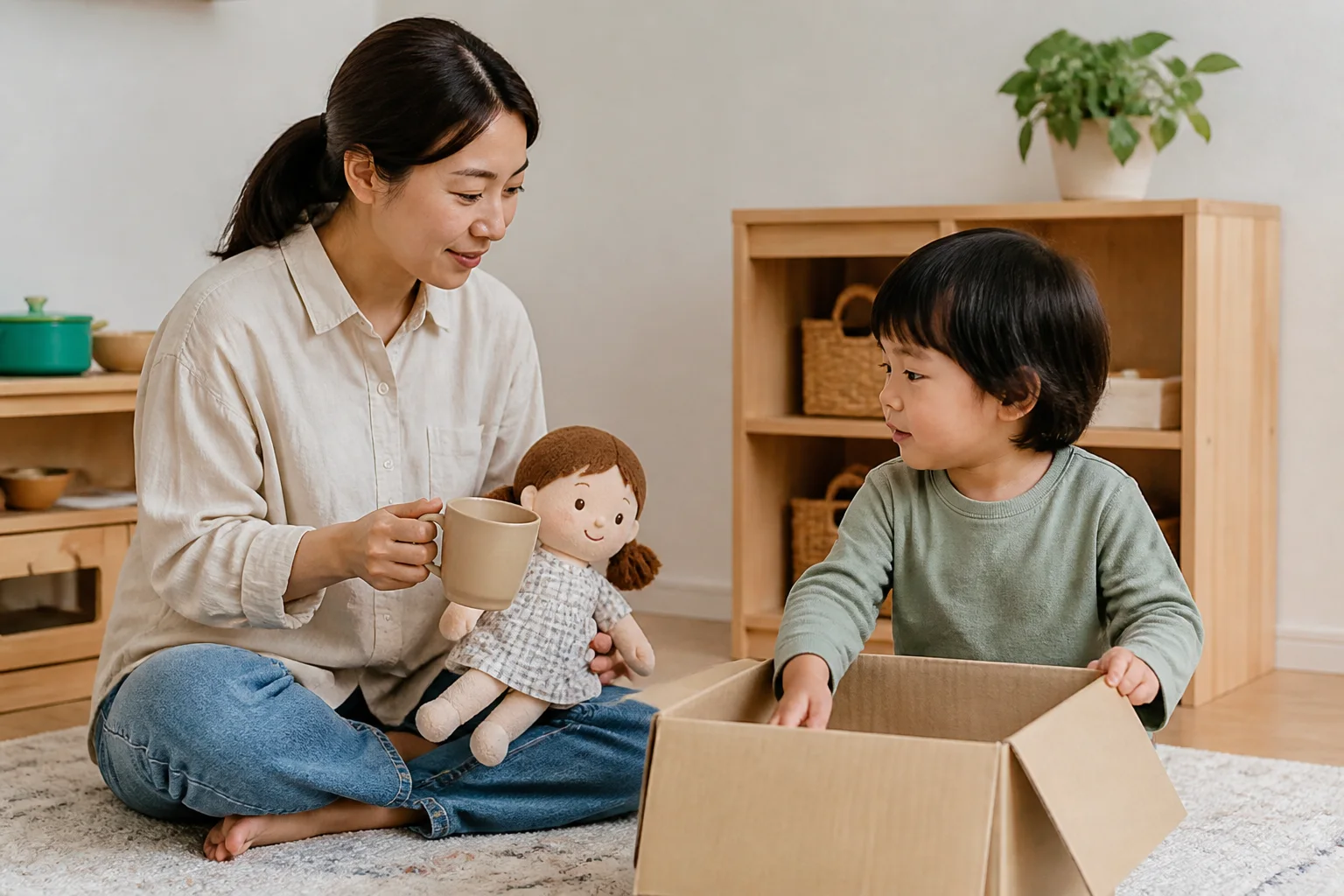
On a rainy day, use safe materials at home, such as dough, packaging boxes to open, or large cups to move. While out, folding a restaurant napkin or holding a large bag zipper together can be enough instead of a workbook. Avoid introducing a new hand task when your child is tired or hungry.
Your role is to offer one material at a time, prevent hazards, and describe what you see, such as "You pressed the dough into a long shape," rather than fixing their hands in position. You do not have to immediately correct what they make.
Worksheet
Today's Hand Play Notes
Record one safe material and your child's response during play.
- Tongs
- A bowl for moving large objects into, and supervision
- Dough
- The action your child chose, such as pressing or rolling
- Sticking
- Safe large stickers or paper
- Paper
- One activity: folding, tearing, or drawing
- Notes for a consultation
- Pain, use of one hand, changes in skills, or everyday difficulties
Notes
- Keep small parts, magnets, button batteries, sharp scissors, and toxic adhesives out of young children's activities.
- One activity cannot diagnose differences in hand use. Seek advice about pain or loss of skills.
References
- American Academy of Pediatrics: Hand and finger skills of preschoolers
- Centers for Disease Control and Prevention: Developmental milestones
- Centers for Disease Control and Prevention: Milestone Moments booklet
- U.S. Consumer Product Safety Commission: Toy safety
This is general guidance on hand activities. It does not replace motor, sensory, or developmental assessment, occupational therapy, or medical diagnosis and treatment.