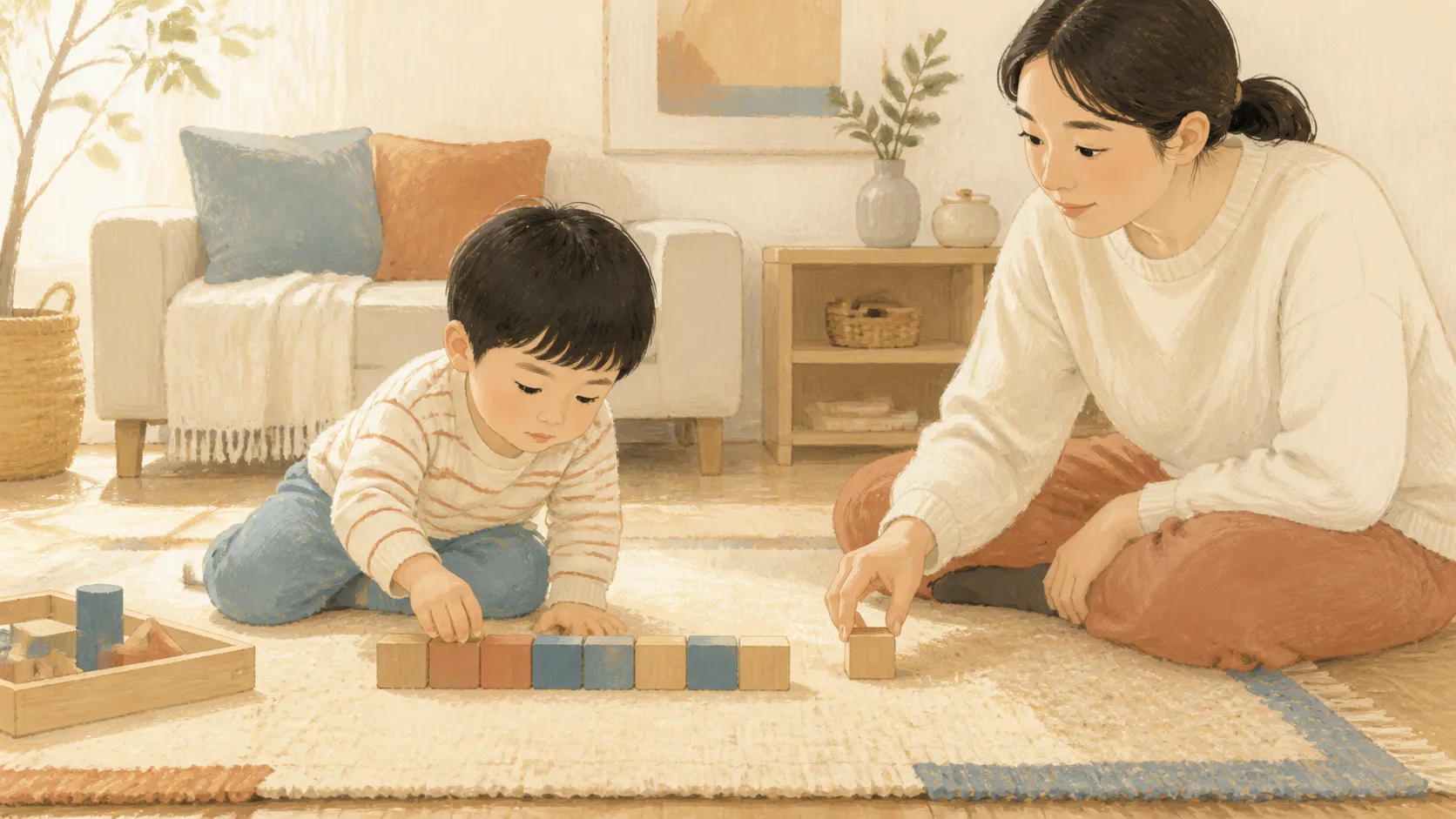
When your child cries, falls silent, or tips the board after losing, you may wonder whether to insist they finish. One reaction is not evidence of a personality trait or diagnosis. First stop anyone getting hurt or pieces flying, then choose together whether and when to play again.
Key point
Before playing, agree on a stop signal and no throwing. If feelings grow, choose whether to finish today, pause, or try a shorter game later.
What to remember
- Before anyone wins or loses, briefly agree on a stop signal and no throwing pieces.
- If your child tips the board or cries, an adult clears the pieces and secures safety first.
- Seek advice for repeated severe aggression or injury risk rather than relying on game skills alone.
Agree on how to finish before you start
Before opening the game, choose just two rules: "If you get angry, stop your hands and tell me," and "We don't throw pieces at people." If talking is hard, agree on an open-palm stop gesture. This is a way to stop safely when feelings grow, not a contract to stay seated until the end.
If the rules are complex or a round is too long, try one or two turns or a cooperative version. Choosing short, age-appropriate play is a way to find manageable participation, not a trick to avoid losing.
Protect people and clear pieces first
When your child cries or starts tipping the board, clear the pieces and create space before explaining the result. Acknowledge the feeling and limit together: "I know you're angry. I will stop the throwing." Do not hold your child in place until the game ends or make them lose again to get used to it.
Play can be one way to explore change and strong feelings. But one board game does not guarantee better emotional control or peer relationships. Stopping without injury matters more than finishing a round.
Choose the next action once it is safe
After putting the board away, ask, "Shall we finish today, have some water and rest, or try a short game later?" If speaking is hard, let your child point to the three options. Whatever they choose, do not turn losing into punishment or force an immediate restart.
If you decide to play again, choose back-and-forth play without a winner, a cooperative game, or shorter rules. Instead of "You have to win this time," confirm the next safe action: "Show me if you need the stop signal."
Notice what happened before and after
Briefly note which game, rule, and play partner were involved, along with sleep, hunger, or tiredness that day. Record visible actions: "Cried after losing the die and pushed the pieces," rather than "Can't stand losing." These notes are not a test of empathy or development.
Even if the reaction repeats, do not call your child rude or lacking empathy. Choose one rule to simplify and one safety action the adult will handle next time.
Seek help if aggression continues beyond games
If thrown objects could hurt someone, severe aggression repeats, or difficulties continue in daily life beyond games, agreements alone may not be enough. Secure safety and share specific situations with your child's pediatric healthcare professional or another needed service.
Tell your child, "We'll find a way to stop safely even when you're angry." Taking a break from games can protect safety; it does not mean the relationship has failed.
Worksheet
An agreement for when games get hard
Agree on rules before starting and actions after stopping. This is not a test that scores feelings.
- Before starting
- A stop signal and an agreement not to throw pieces
- When feelings grow
- The adult clears pieces and creates safe space between people
- Finish
- End today's game and put it away
- Pause
- Drink water and allow time to settle
- Try again
- Later, choose shorter rules, cooperation, or back-and-forth play
Notes
- If throwing or hurting others also repeats outside games, share observed situations with a healthcare professional or counselor.
- This agreement does not diagnose reactions to losing or guarantee emotional control and peer relationships.
- For young children who do not yet understand winning and losing, or children currently finding competition too hard, start with cooperative or back-and-forth play.
References
- American Academy of Pediatrics: Using play to handle change
- American Academy of Pediatrics: What young children learn through play
- CDC: Positive parenting tips for children ages 2 to 3
This is general guidance on game safety and conversation. It does not replace emotional or developmental assessment or treatment.