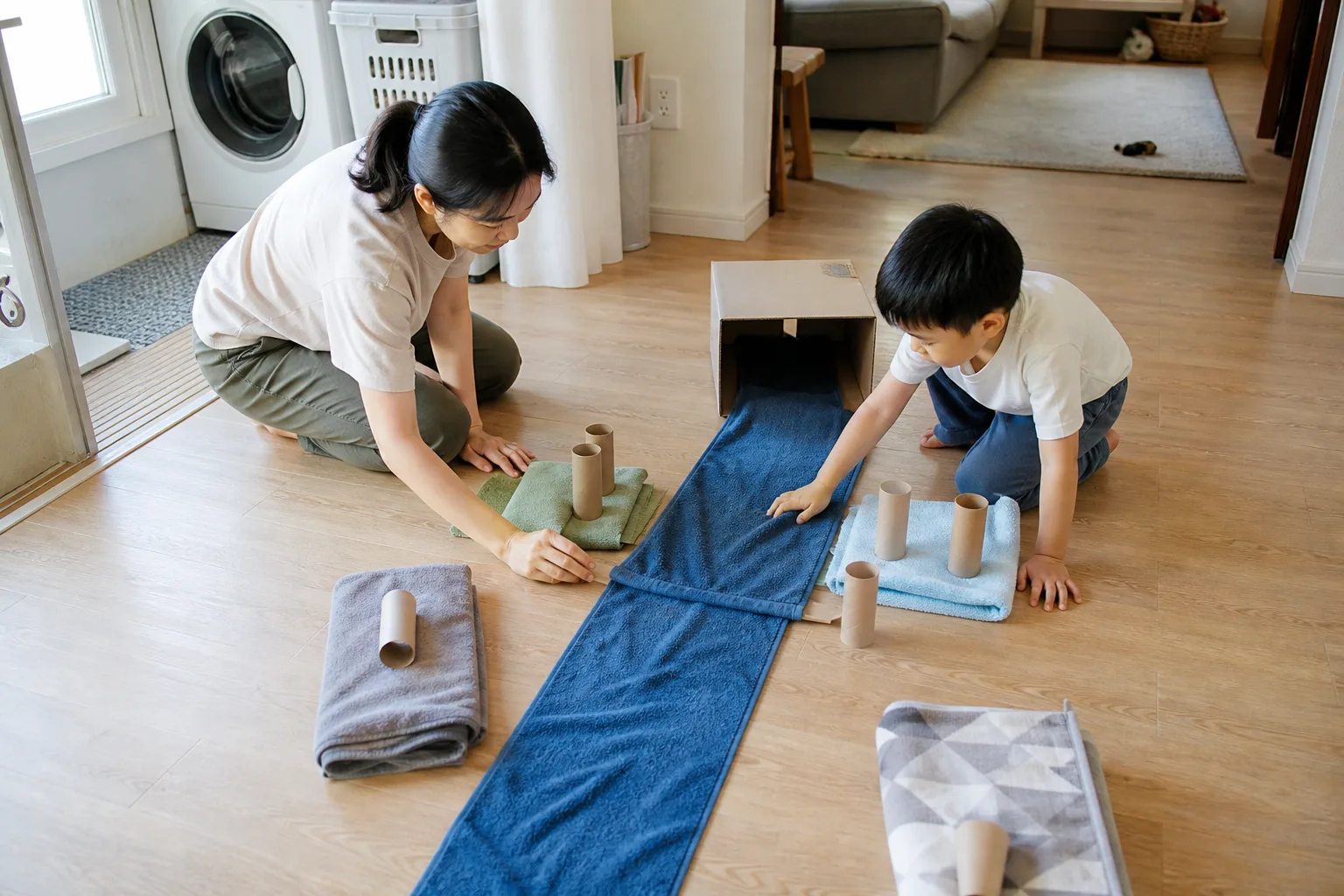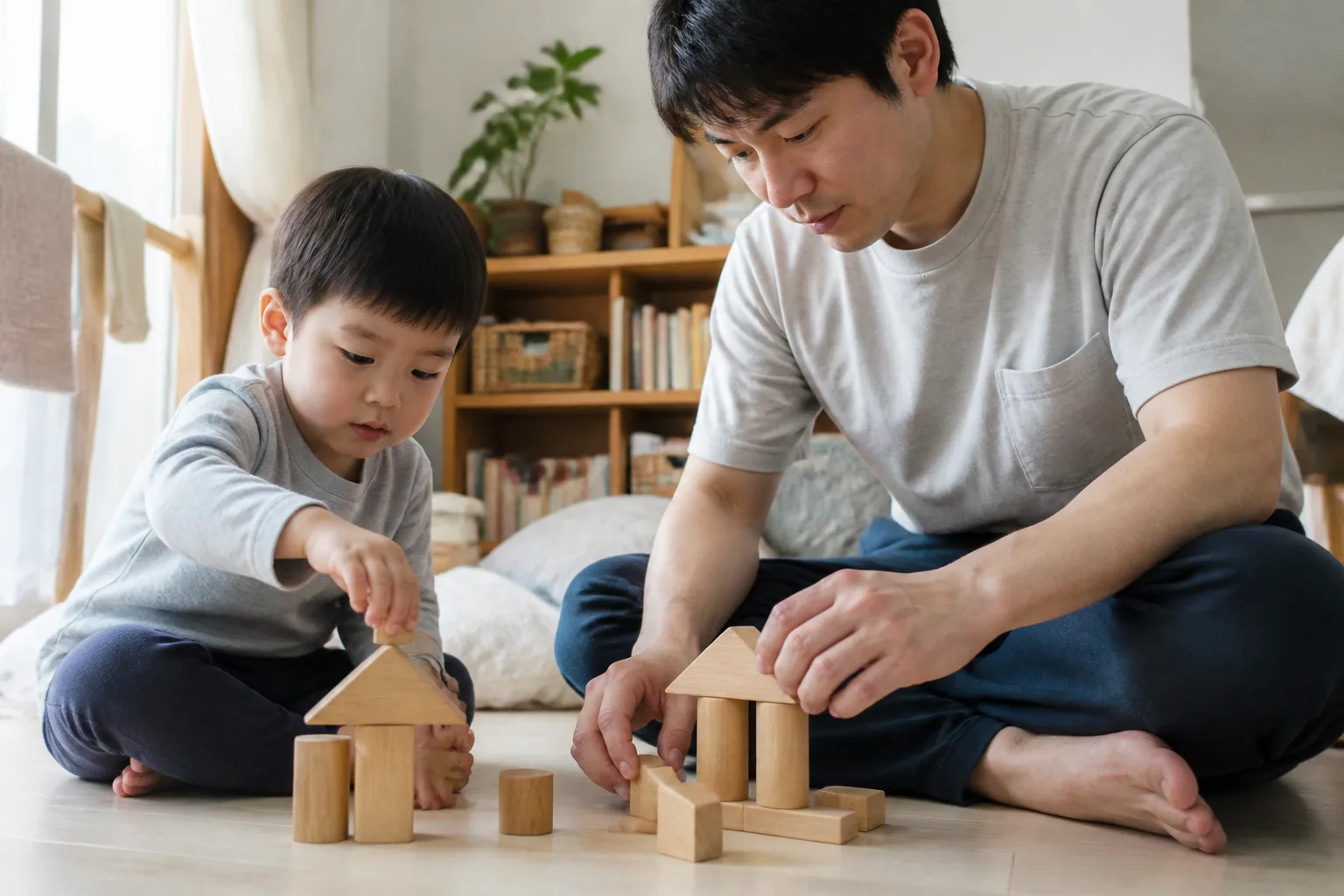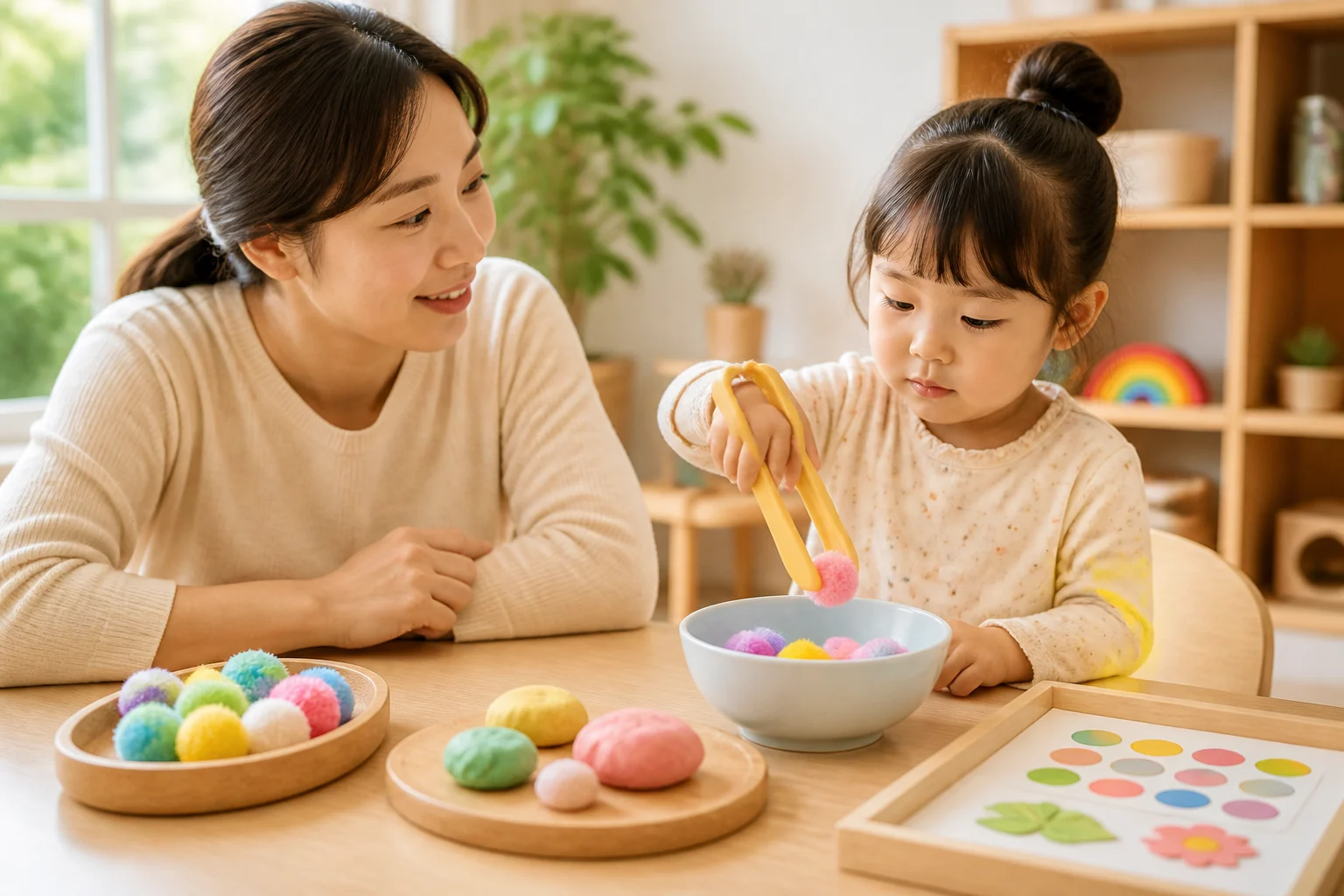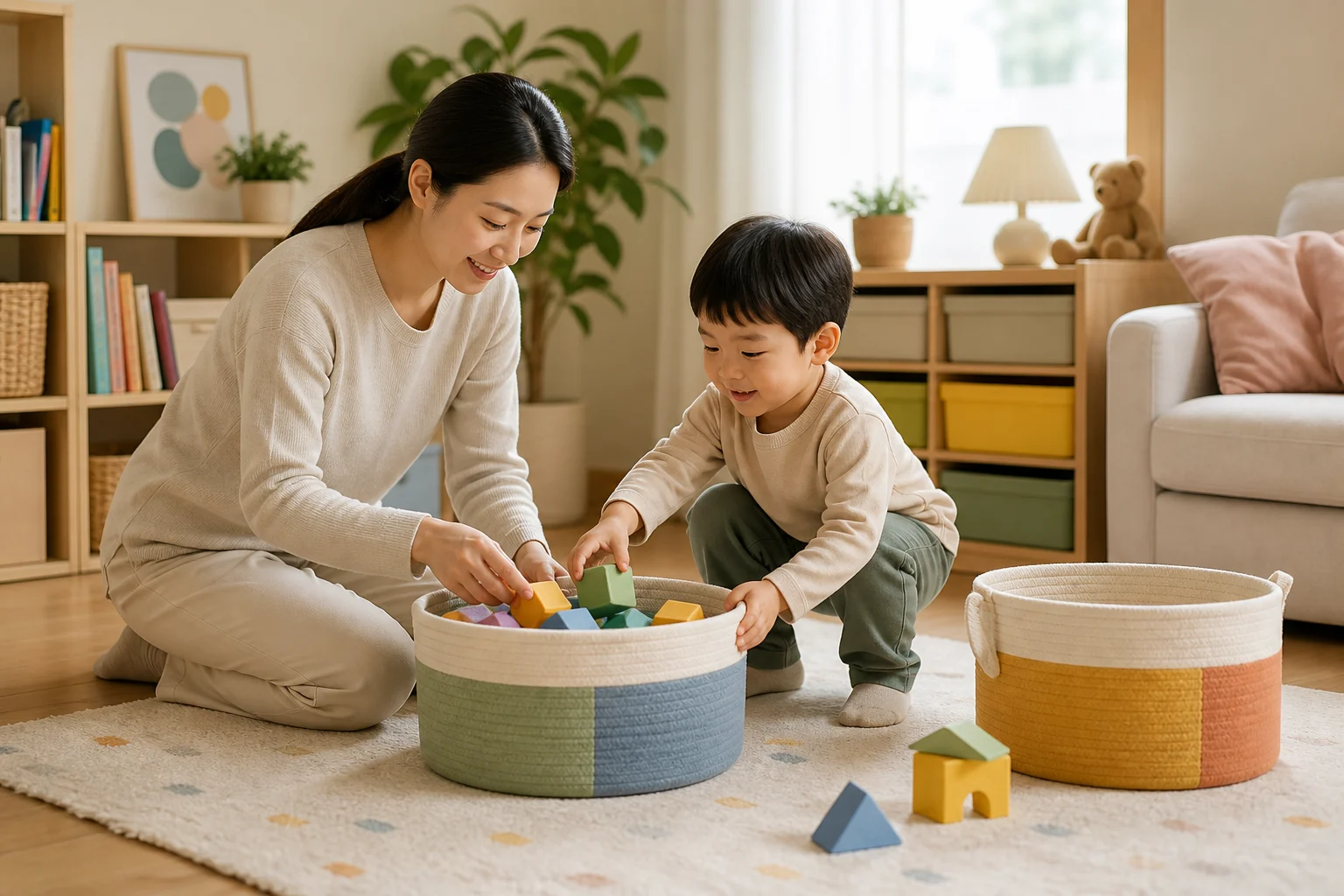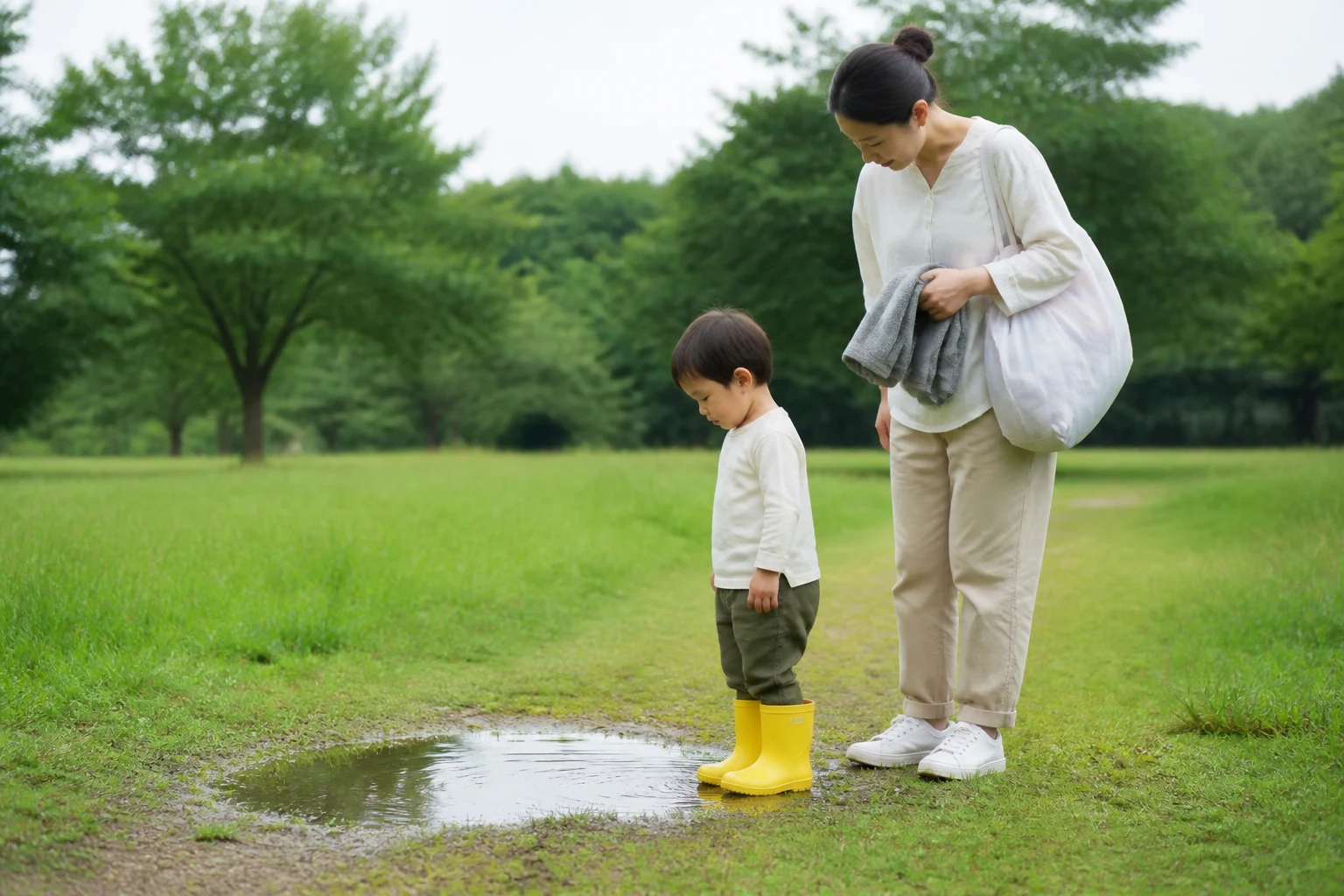
When your child mixes two languages, listen to the meaning first. Even if home and child care use different languages, you can continue play in a language that helps your child respond comfortably. If concerns continue, ask for an evaluation that considers every language and setting.
Key point
During play, use the language in which the caregiver can respond most comfortably. When your child mixes languages, respond to what they mean. If concerns last, ask for an evaluation that considers all languages.
What to remember
- Respond in a language that feels comfortable.
- Respond to what your child means even when languages are mixed.
- Look at concerns across all languages.
Respond in your most comfortable language during play
There is no evidence that exposure to several languages by itself confuses a child or causes a speech or language disorder. Parents and caregivers can use the language in which they respond fully. One parent using one language is not the only right approach, and using two languages does not guarantee achievement.
Respond first to the meaning of mixed words
If your child mixes words from two languages, you can respond to what they mean with a sentence such as, "Yes, the red car is going fast." Do not test which word the child used or make the child repeat the sentence. Children may also change languages depending on the person, place, or topic.
You do not need to use the same language for every answer
Even when your child speaks in one language, the caregiver may respond more naturally in another. Accept the meaning so play keeps moving, then add a needed word naturally within a sentence. You do not need to keep asking translation-test questions such as, "What is this word in the other language?"
There are common reasons for no answer
It is common for a child not to answer a question in one language or to reply in another. The child may never have used that word in that setting, may feel more comfortable using different languages with different people, or may be so absorbed in play that action comes before speech. Each reason calls for a different response. If the word is unfamiliar, naturally use it again in a sentence. If language differs by person, leave that pattern alone. If the child is absorbed in play, use fewer words and join the play.
Use a family language map to see real situations
Write down which words and gestures your child uses with different people, in different places, and during different activities. Real scenes such as phone calls, pretend play, and blocks can make it easier to choose a response next time. The map does not force languages apart or score the number of words. It helps choose the next response.
Do not make the child interpret when caregivers use different languages
When grandparents, child care, and teachers use different languages, do not make the child carry messages between adults. Adults should confirm needed schedule, health, and safety information with one another briefly and accurately. Tell the child what happens next with familiar words and gestures.
Do not turn school and home languages into a conflict
An increase in the school language is not a reason to ban the home language. Children with developmental or language disorders can also learn several languages. Do not stop the family language in the name of treatment. Share needed support and observations with the school.
Look at concerns across every language
Do not judge a delay from the number of words in one language. Look together at every language the child uses, gestures, understanding, expression, and interaction. If concerns about response continue, your child loses a skill used before, or you are concerned about hearing, do not stop the home language. Ask for a speech, hearing, and developmental evaluation that considers multilingual development.
Worksheet
Family language map
This chart does not assign a fixed language. It records when and how children and adults communicated comfortably with different people and activities.
- Person
- The person playing with the child
- Scene
- Play, meals, or a phone call
- Language and gestures
- Ways the child and adult use comfortably
- Next response
- One phrase that responds to what your child means
Notes
- Do not correct your child's speech or stop the home language only because the child mixes two languages.
- The map does not correct language mixing or assess development.
- If concerns continue, ask for an evaluation that considers all the languages and gestures your child uses.
- During a change such as moving or starting at a new care setting, restore familiar play before filling in the map. Stop if recording begins to feel like monitoring your child's speech.
References
- American Academy of Pediatrics: FAQ about children learning several languages
- CDC: When you are concerned about your child's development
- CDC: Hearing loss in children
This is general guidance for play in a multilingual home. It does not replace a speech, hearing, or developmental evaluation or treatment.