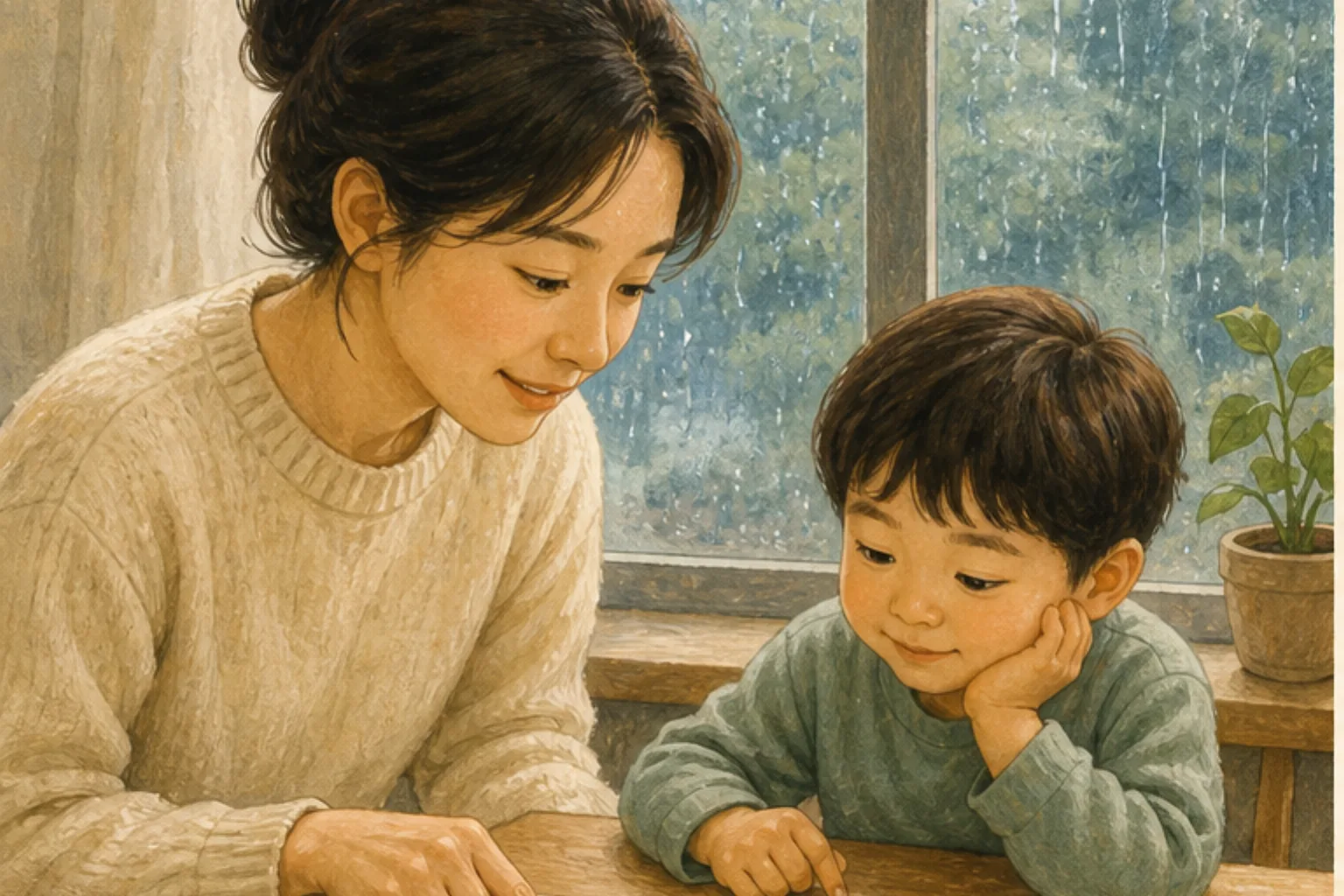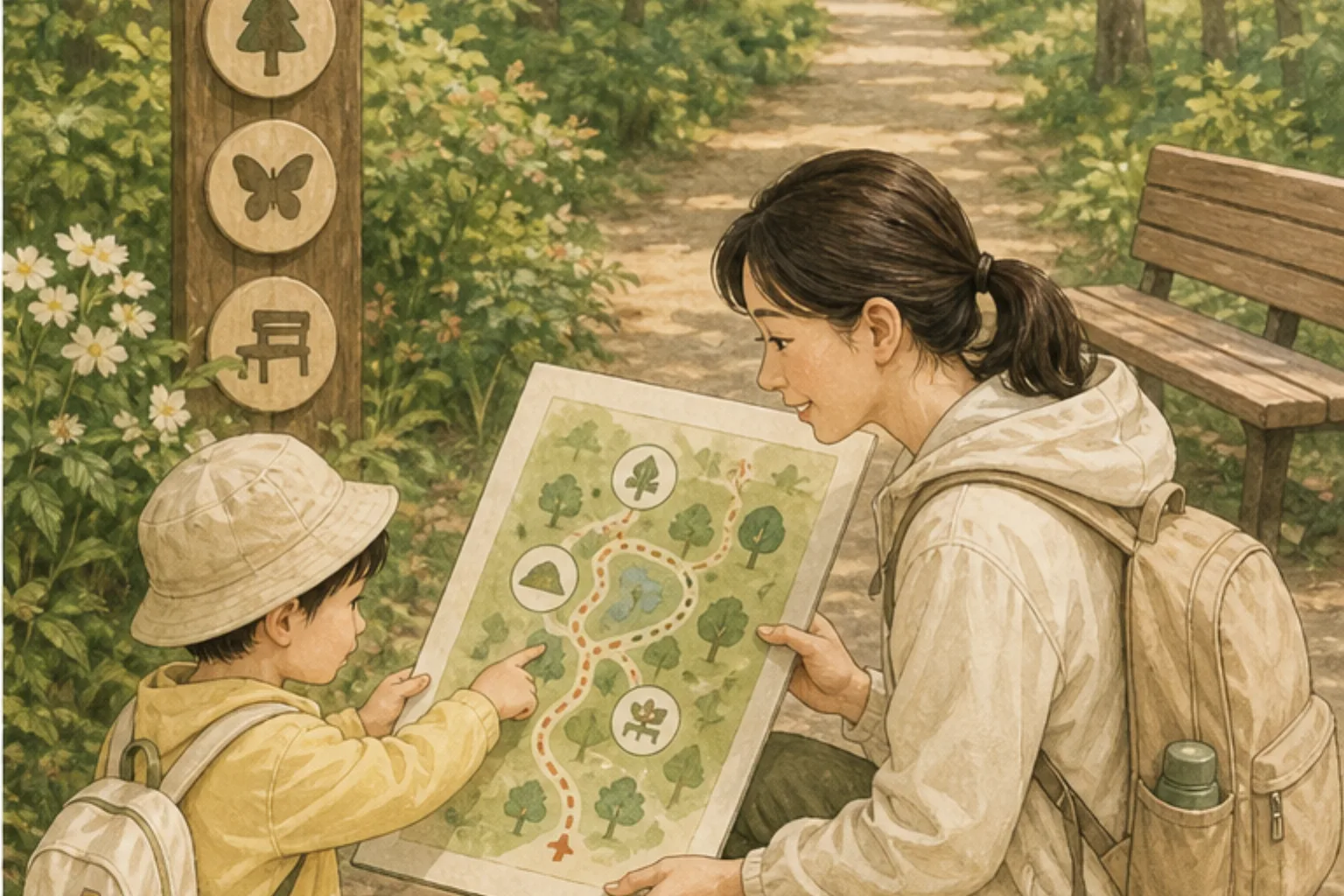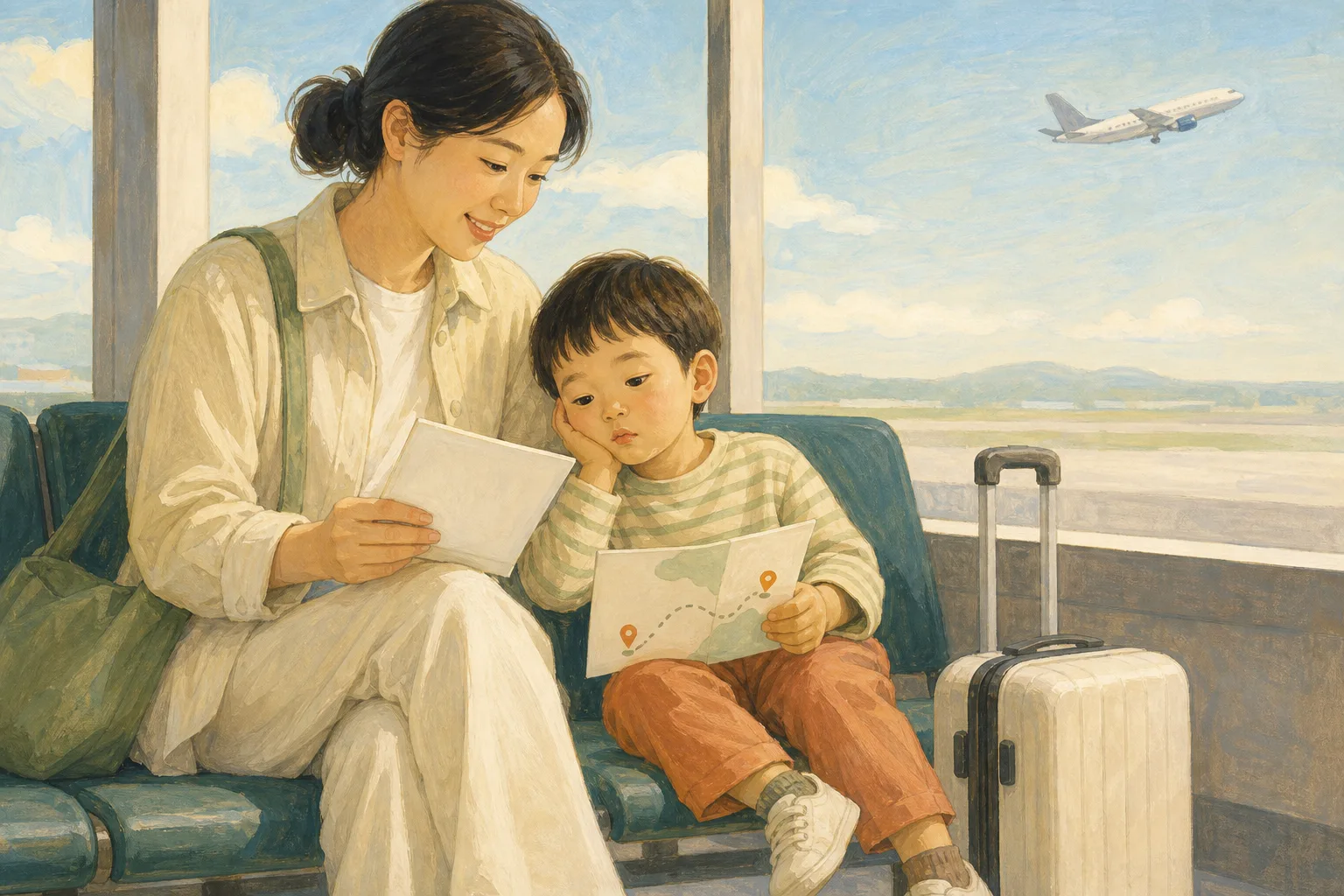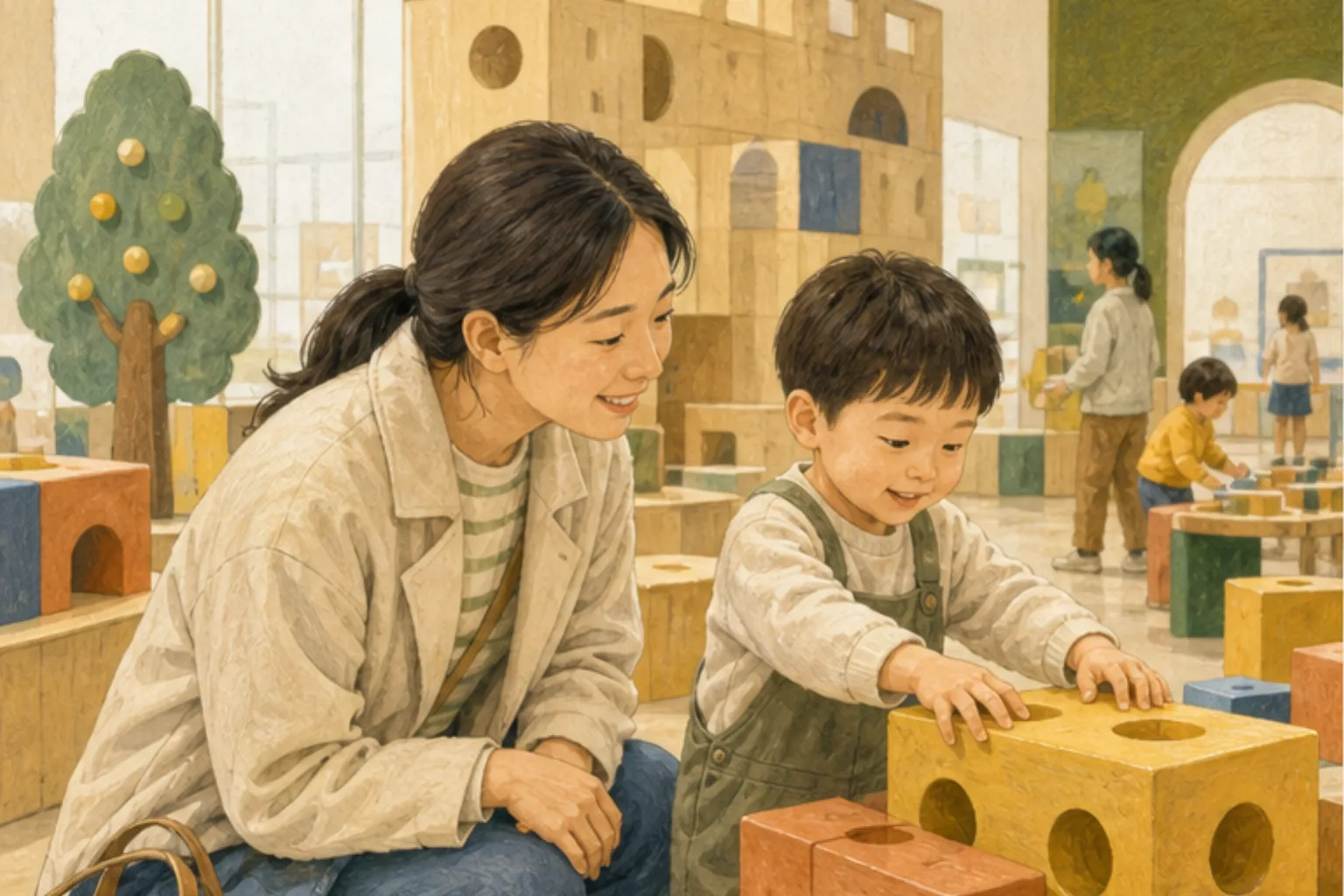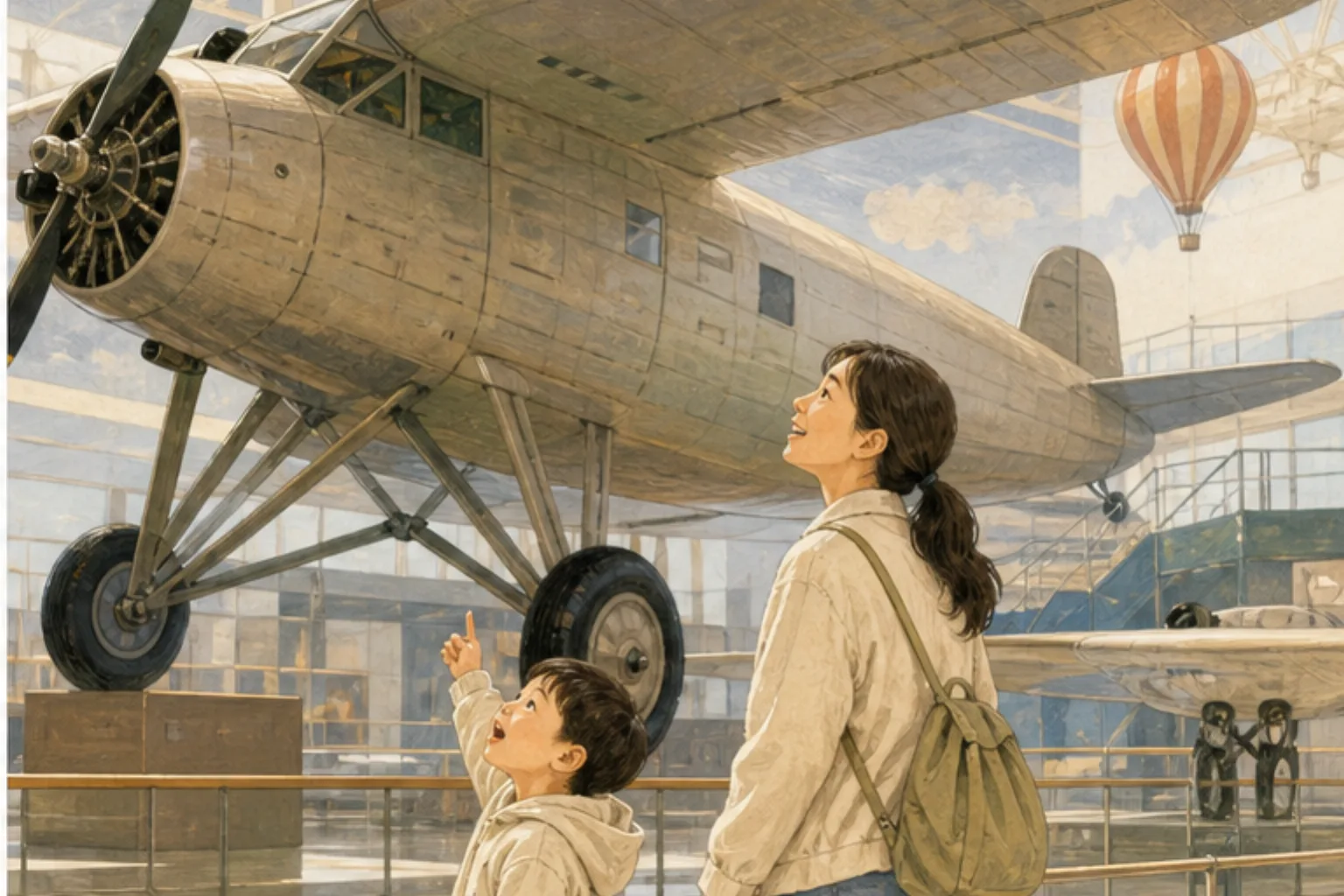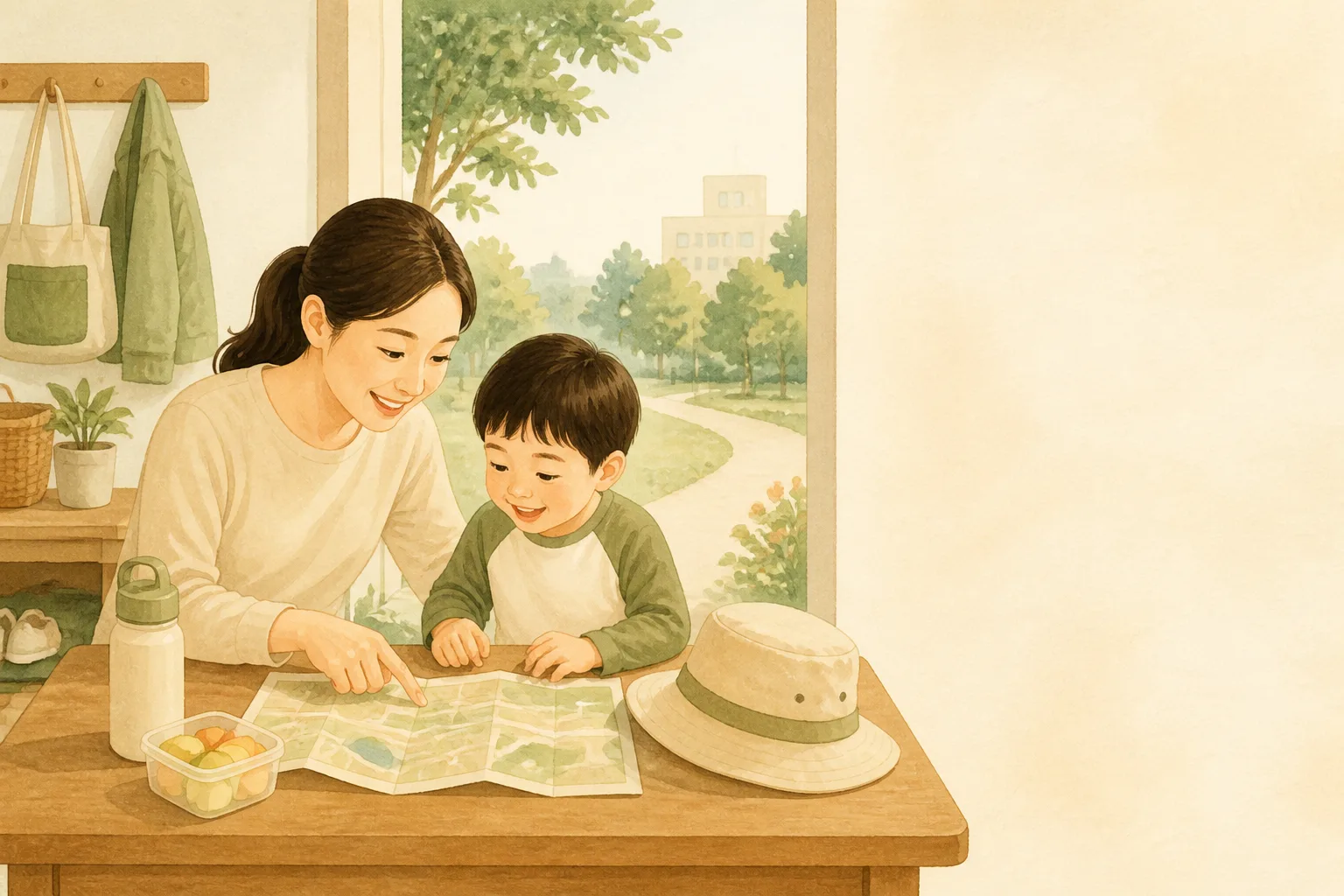
Before searching for a place to go, think about when your child will be hungry or sleepy today. Plan how much walking or play will fit around those times. Then check each place for somewhere to rest, the facilities you need, and an easy way to leave if your child gets tired. Even if the photos look appealing, you can choose somewhere else if these needs are not met.
Key point
Choose somewhere you can visit at a time that suits your child today, with a place to rest and a way to leave early.
What to remember
- Before choosing a departure time, consider when your child usually gets hungry or sleepy.
- Check whether you can find a restroom and a place to sit soon after arriving.
- Prepare one short plan that still works if you leave early.
Choose a time that fits your child today
Start by choosing a time that suits your child. If your child is often sensitive before or after a nap, before meals, or after child care, avoid those times and keep the outing short, even when your weekend is free. If getting ready has already worn everyone out, a neighborhood library, park, or indoor play space may feel easier because you can get home quickly.
You can ask, "Can you walk for a long time today, or should we take a short trip?" A young child may not estimate time accurately, but may say or show whether walking or sitting feels harder. Consider the signals you have noticed along with what your child says.
Picture the first 20 minutes after arrival
Picture what you will do after leaving the parking lot or station. Check how far you will walk to the entrance, whether you will need to wait in line, and where you can leave bags and find a restroom. If your child likes to look around before joining an activity, leave time to explore before a booked activity starts.
It is easy to assume there will be a restroom, drinking water, or somewhere to sit. This matters even more with a stroller or diaper changes. If the facility guide does not say, ask the venue or note one nearby alternative. Do not assume an unverified facility will meet your needs.
Look for both movement and a place to rest
A child who likes exhibits may still struggle to walk quietly for an hour. A child who loves running may tire quickly in sun, noise, or crowds. For an indoor space, see whether you can step outside. For an outdoor space, find shade or shelter from rain.
Check where snacks and water are allowed. If food is not allowed, decide when and where you can take a break before returning. Planning a rest stop gives you somewhere to go when your child gets tired, instead of trying to persuade them to keep going.
Decide when it is okay to end the plan
If rain gets heavy, your child keeps asking to be carried, or restroom needs take a long time, you can see one thing and go home. Before leaving, decide, "Once we have seen this one thing, we can go home." That may make changing the plan feel less disappointing, even if you have not seen everything.
The backup can be small: have a warm drink nearby and go home, sit down for a snack indoors nearby, or return next week. Saying, "We'll stop here today and see that part next time," can make an unexpected ending feel less abrupt.
Write just four lines before leaving
A four-line note may be more useful than a long packing list. Write the place and entry time, the nearest restroom or seat, food for when your child gets hungry, and where you will go if you leave early. A phone note keeps your child from waiting while you search again on site.
After a first visit, leave one note for next time. Write down something you noticed, such as "The walk to the entrance was long" or "It was quiet before 12." You can use it to look for a shorter walk or choose a less crowded time next time.
Worksheet
Four lines before an outing
Fill in one line at a time just before leaving. You do not need every answer in advance.
- Today's timing
- What departure and return times will not be too much for your child?
- After arrival
- Where are the entrance, restroom, and seats?
- How to rest
- Where can you have water and a snack and take a short break?
- If plans change
- What will you do and where will you go if you leave early?
Notes
- Check the venue's official information again on the day you leave for hours, closing days, advance reservations, and facilities for young children.
- Pack the usual items and assistive equipment your child needs according to your family's plan.