When plans change, first find somewhere to sit safely and check whether your child needs food, sleep, or help with discomfort. If they feel well, choose an activity you can finish in the time left. If they still struggle after resting, head home. If you hear thunder or a venue closes access, move somewhere safe first.
Key point
Check how your child feels, then subtract the time needed for meals and getting home. Keep only activities that fit the time left.
What to remember
- Recalculate the time after a late departure. If your child is tired, pause and check how they feel first.
- Consider changing or canceling a reservation if keeping it would mean pushing yourselves too hard.
Decide what to drop when you leave late
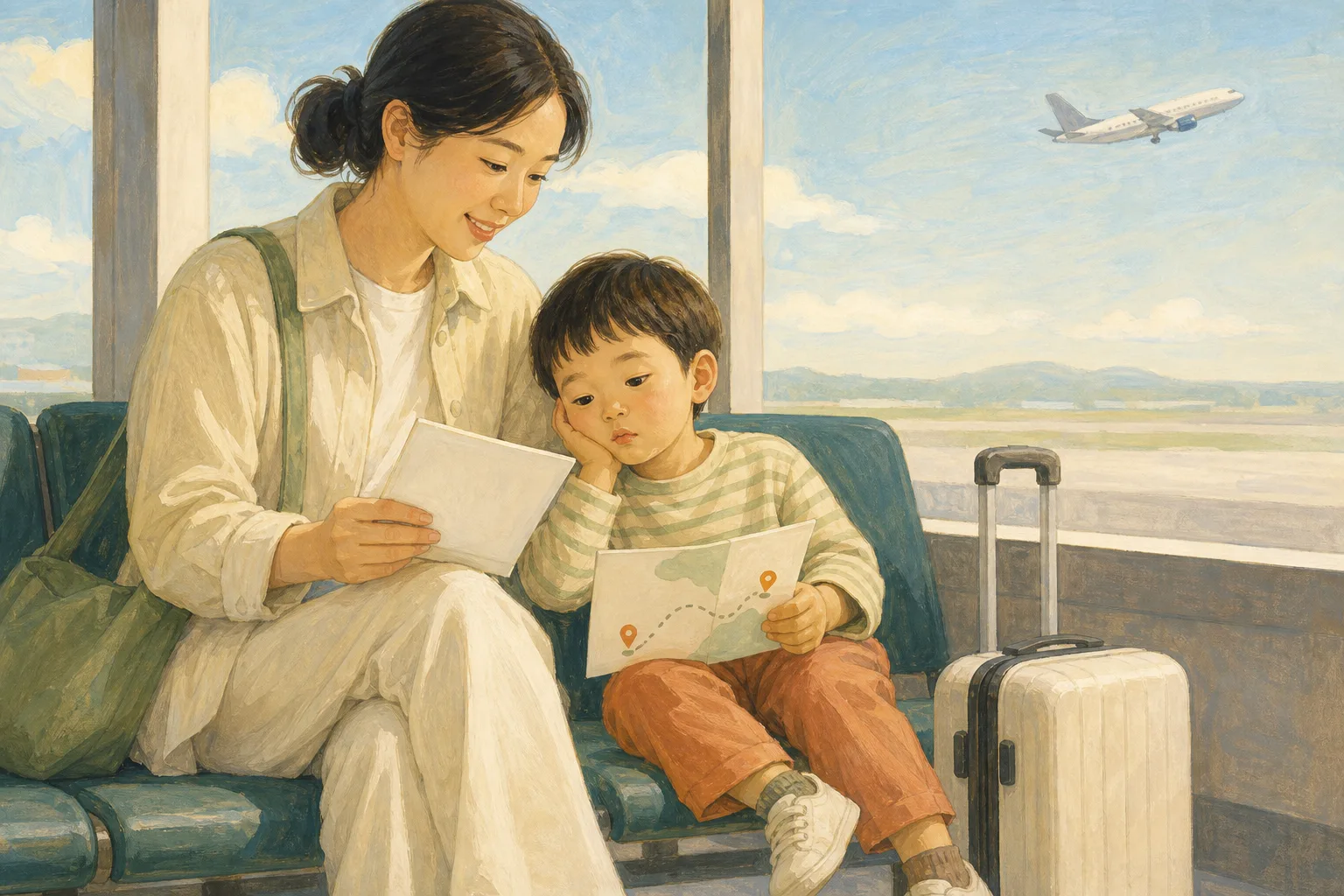
If you are still at home and running late, check when you would arrive and when you need to be home. Subtract time for travel, meals, bathroom stops, and organizing bags. If little time remains, a closer destination may be a better choice.
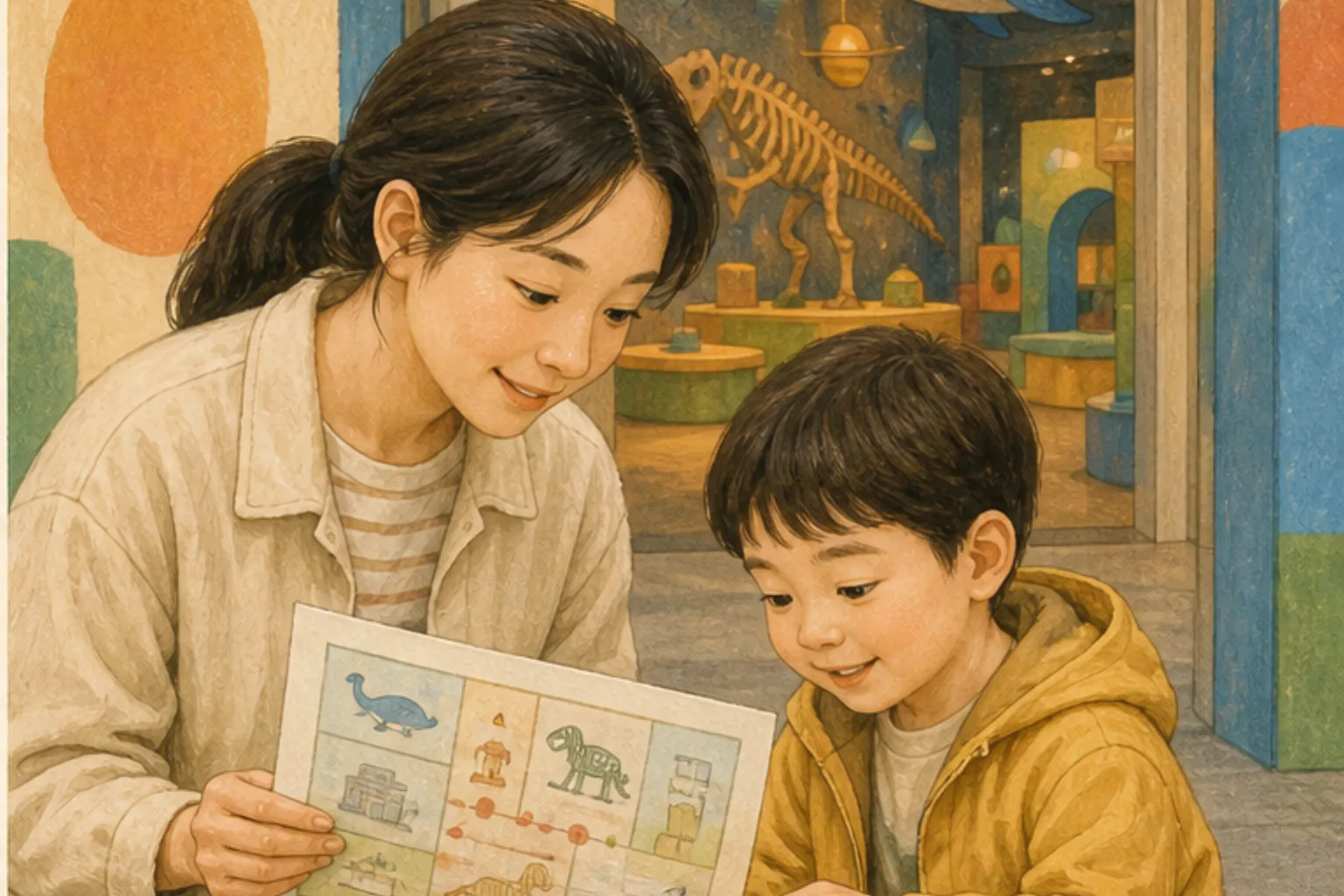
Suppose you need to be home that afternoon, but the trip to the museum and back would use most of the remaining time. Dropping a stop at the cafe next door would not be enough. Keep the option of playing briefly near home and visiting the museum another day. Paying a deposit does not tell you whether today's plan is still manageable.
What to look for on the booking page
Ask the venue whether late arrivals are allowed, when the last admission is, and whether you can change the date or cancel. Closing time and last admission may differ; actual visitor guidance distinguishes the two. If you leave without checking, you may arrive too late to enter.
If your child is tired, pause the search for another place
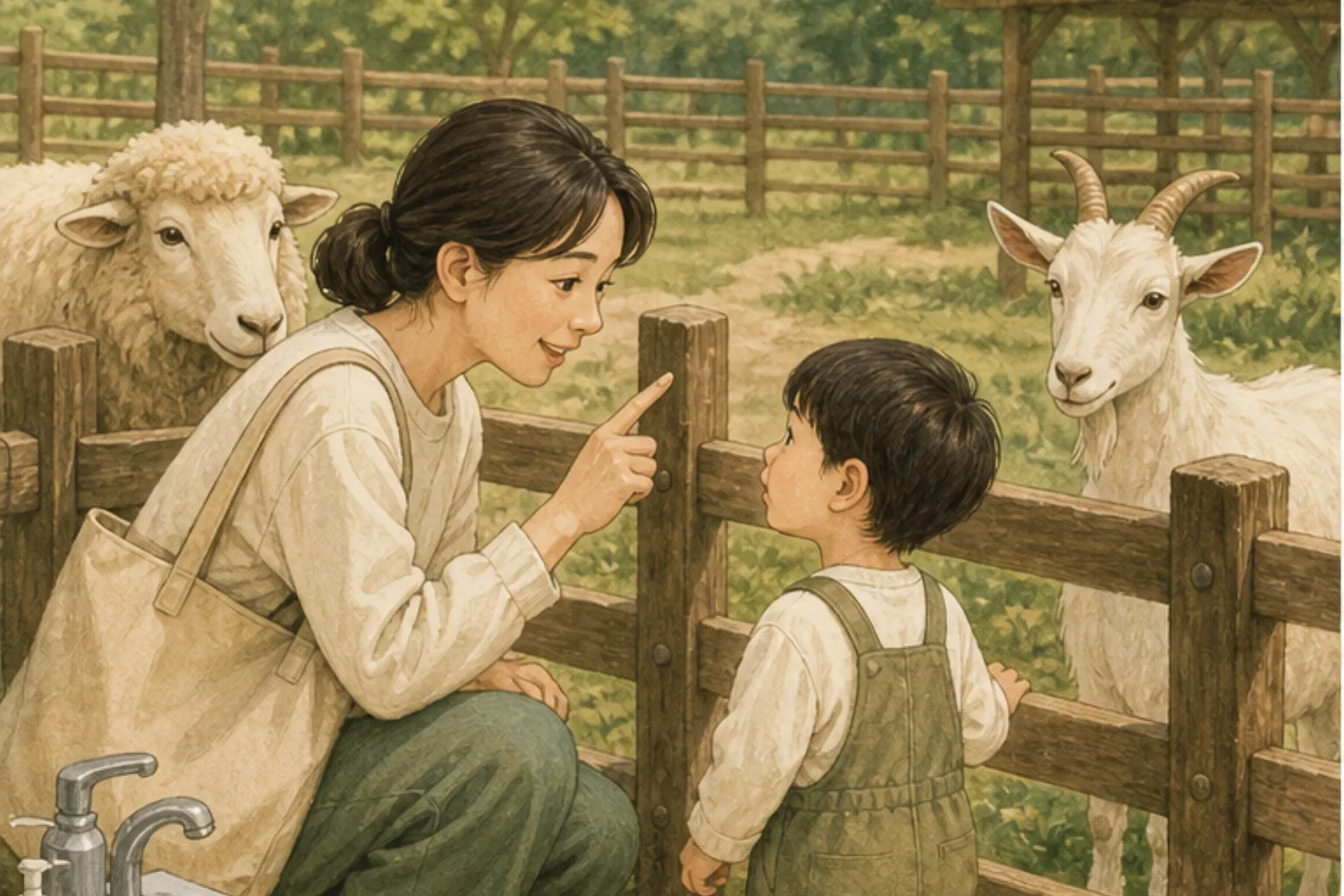
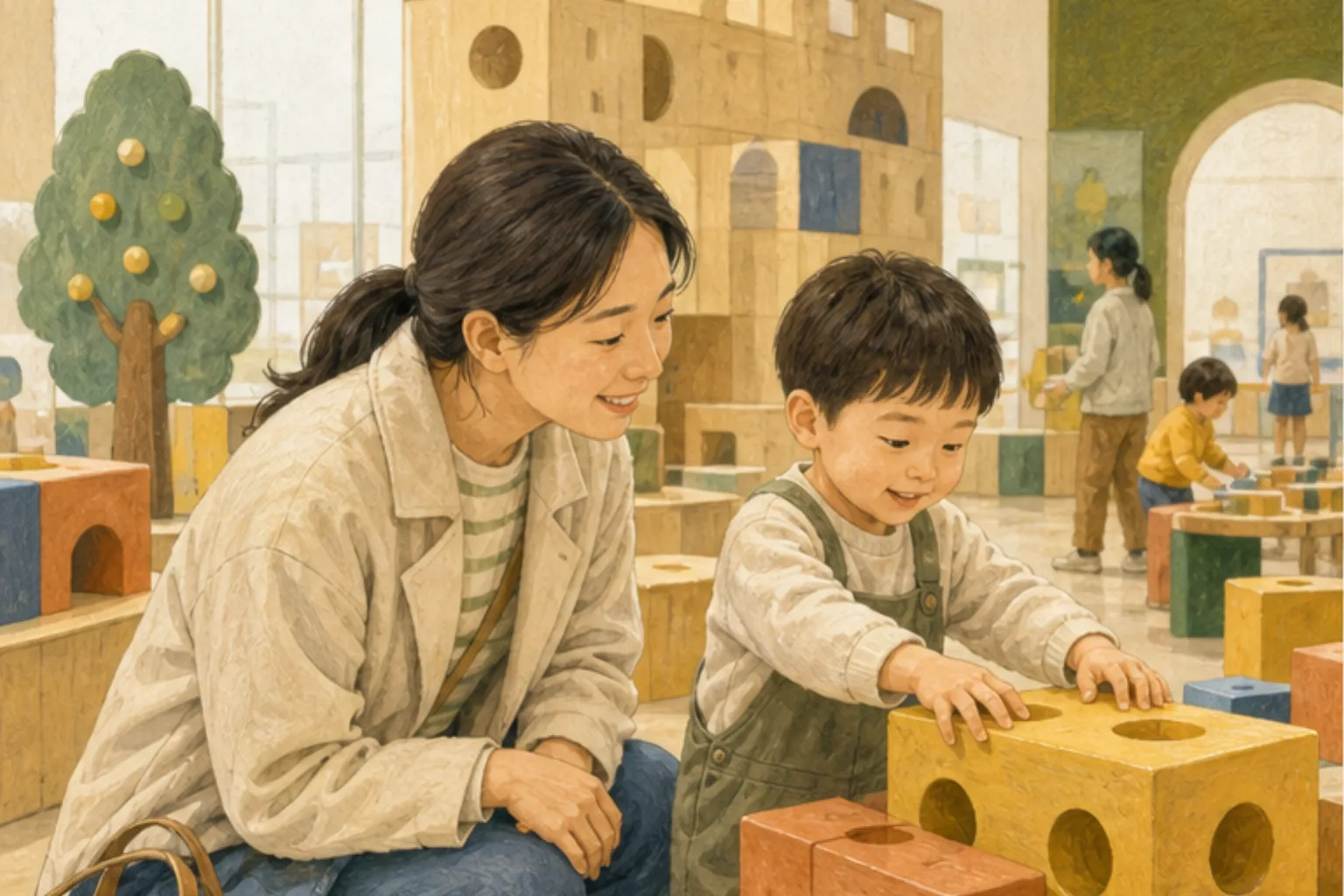
If your child keeps asking to be carried or stops walking, find somewhere to sit safely. Check whether their shoes hurt, their clothes are wet, or a meal or rest is overdue. For a young child who cannot explain, check their feet, clothing, and movements yourself.
If your child wants to play again after resting, you can suggest something nearby. If they still want to lie down, or you are tired too, prepare to leave. Instead of promising a gift if they keep going, describe what you see and what comes next: "Your feet hurt. Let's finish here and go home."
Rain does not mean you need to visit another venue
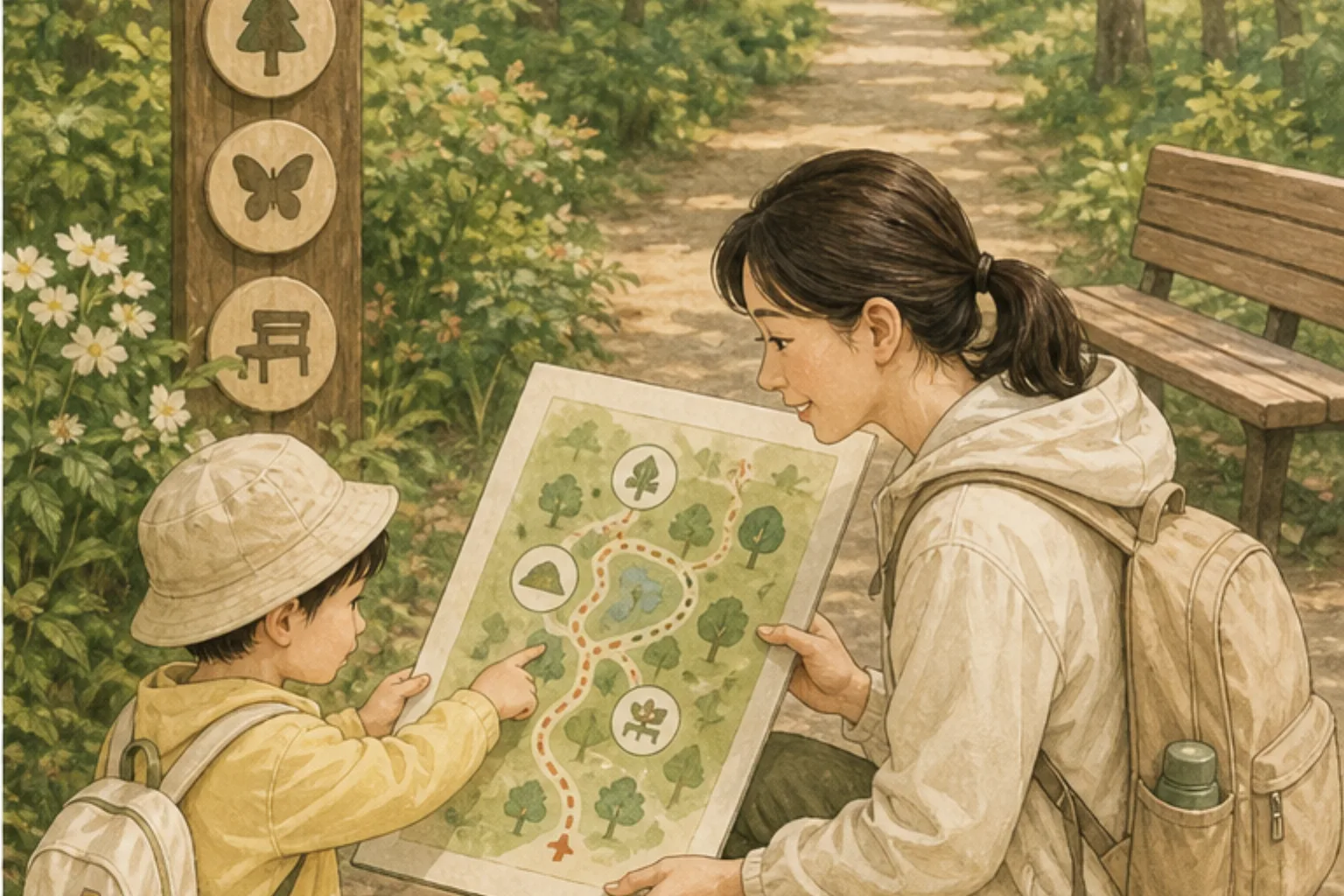
In light rain, you can rest somewhere indoors nearby while deciding whether to continue. If a replacement indoor venue means another long trip, compare that with the time it would take to go home. Tell your child plainly, "We can't go there today." If you have not chosen another date, do not rush to promise one.
Stop the visit if you hear thunder
If you hear thunder, stop outdoor activities even if the rain is light. Go into a building with walls and a roof, or a hard-topped vehicle with the windows closed. A tree or an open-sided gazebo is not a safe shelter from lightning.
Worksheet
Adjust the plan to what is happening now
Choose the line that fits your situation and write down what you will do today.
- Leaving late
- How much time remains after the round trip and meals? Where could you finish a visit in that time?
- A reservation
- What have you confirmed about late entry, changes, or cancellation? Who can answer?
- A tired child
- Where will you rest, and what will you check? How will you get home if your child still struggles?
- Changed weather
- Where is the nearest safe indoor space? Is there time to travel somewhere else?
Notes
- These are suggestions for everyday changes of plan. Do not use them to test whether an injured or sick child can keep sightseeing.