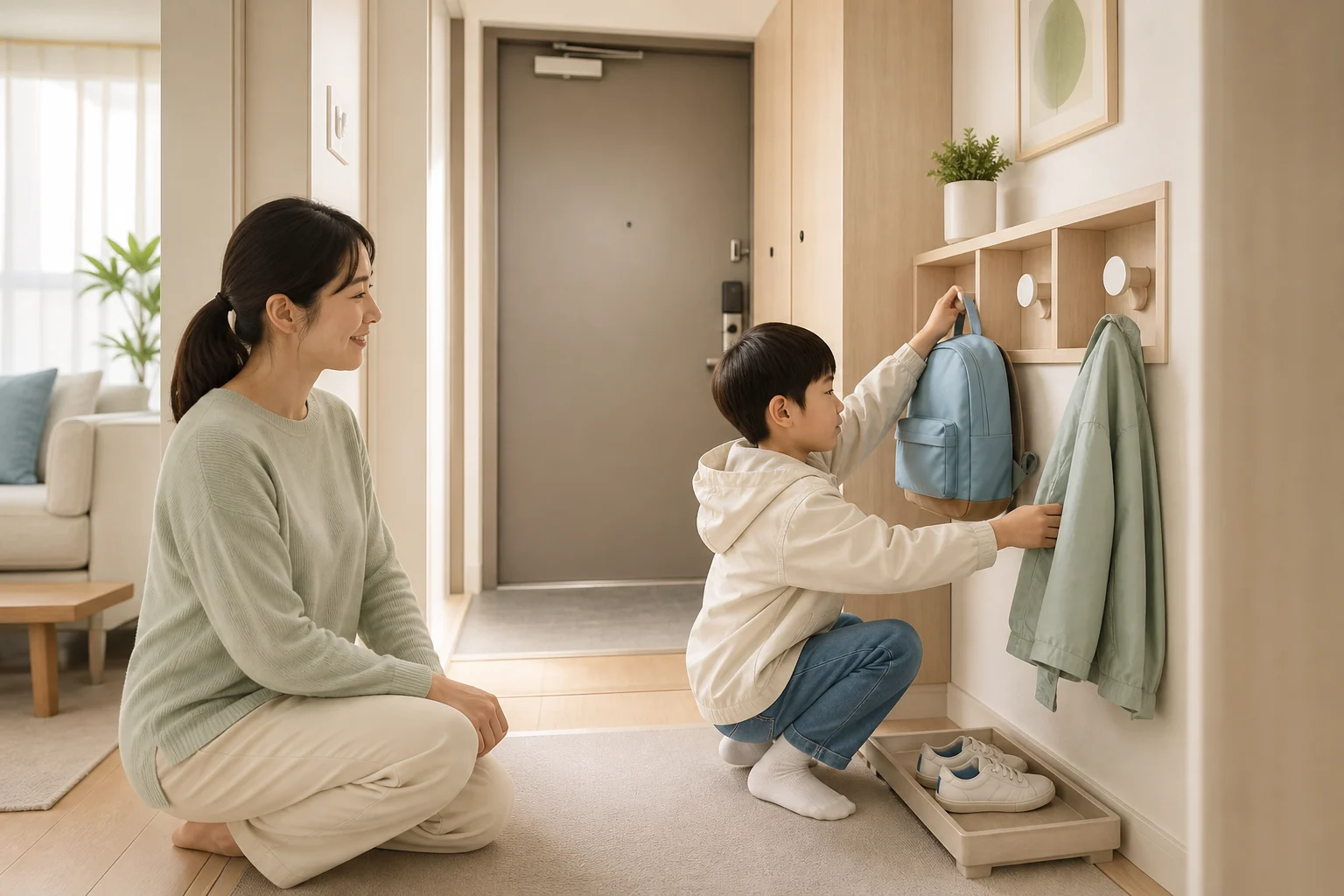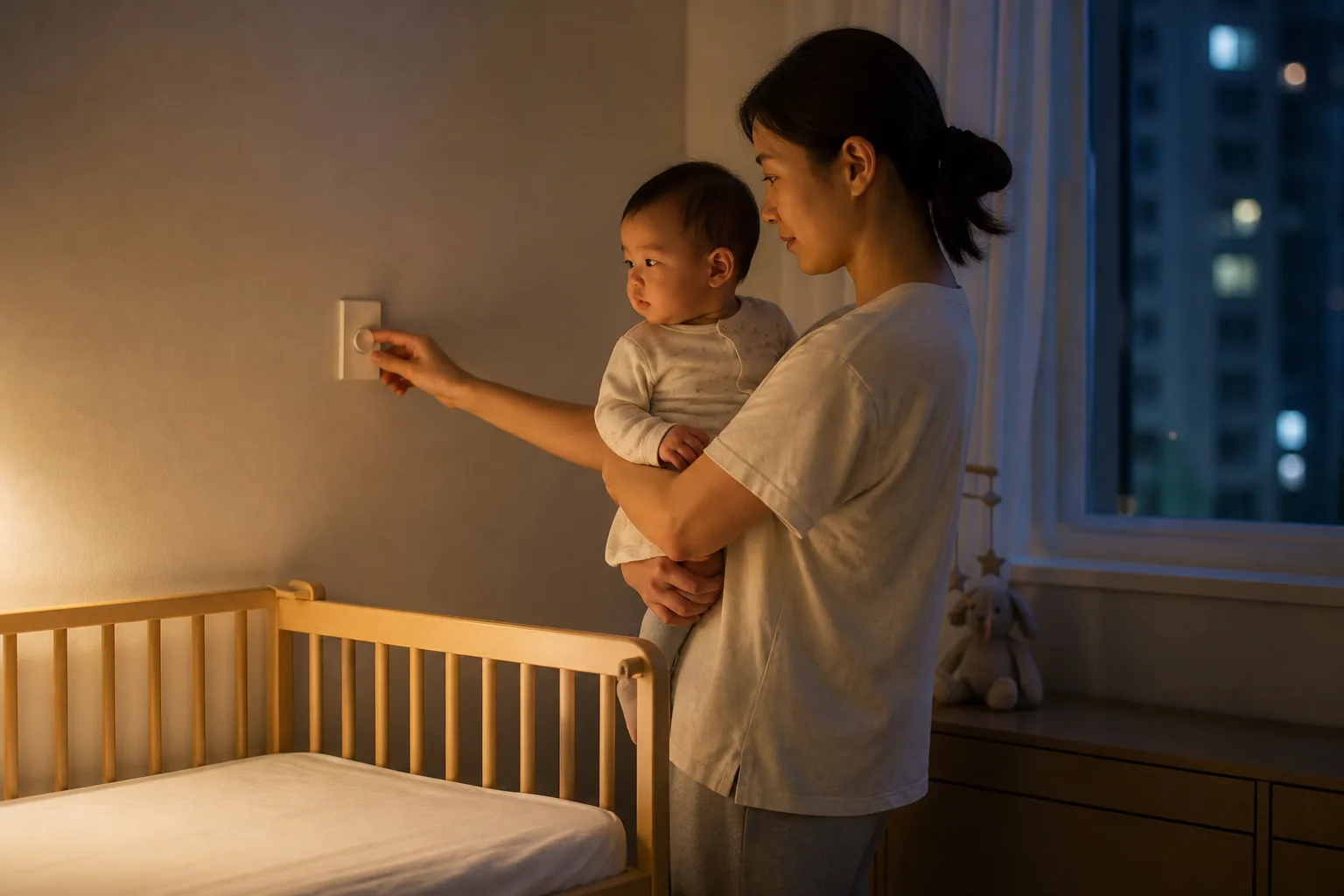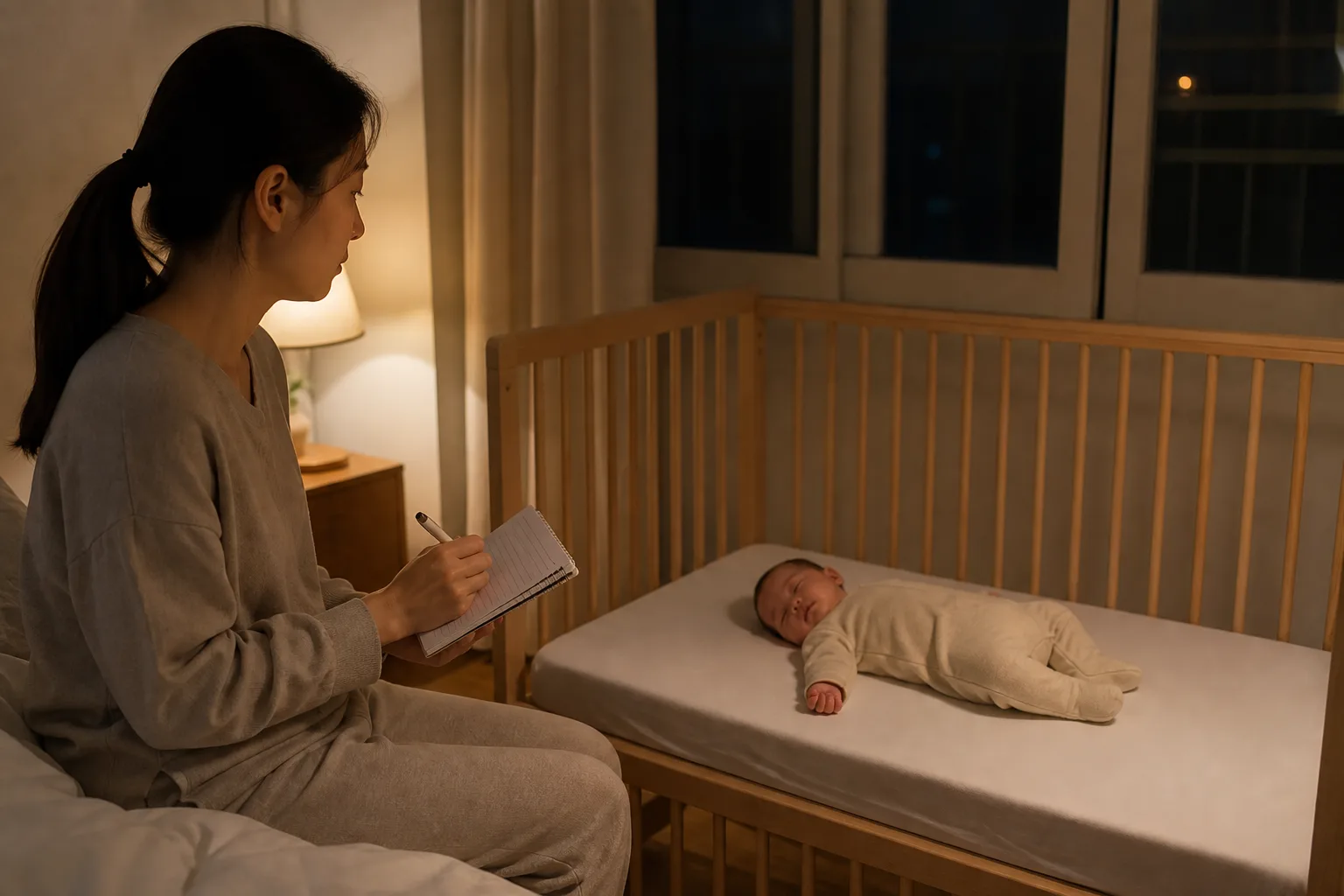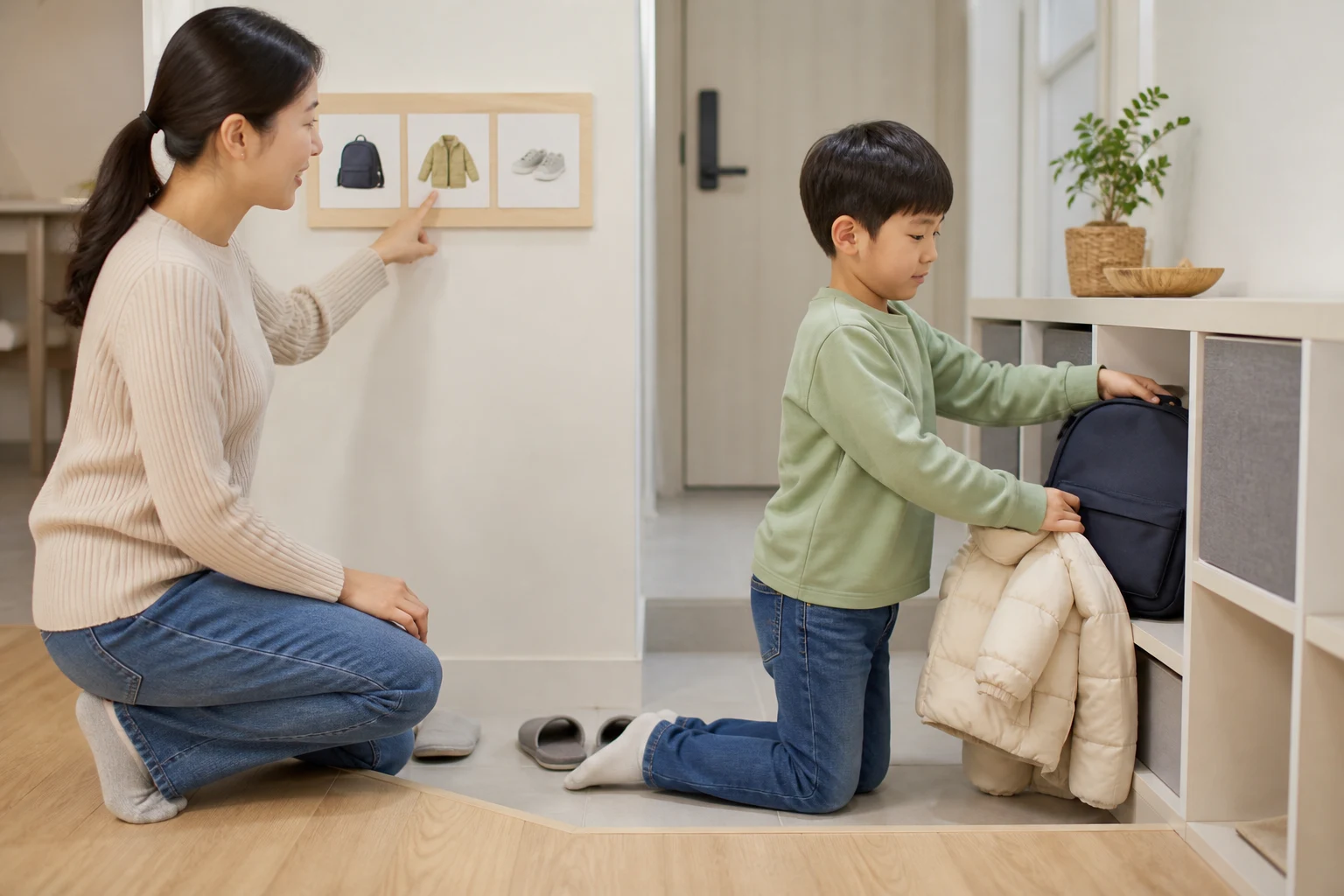
A morning routine that barely works on weekdays may start late on weekends, with bedtime shifting later too. Instead of calling sleeping late lazy or forcing your child awake, first look at whether the child missed sleep during the week and how sleepy the child is during the day on weekends. Then choose one morning scene the family can keep doing.
Key point
Do not try to remove every difference between weekdays and weekends at once. Start with one condition your family can change: the first action after waking, the first meal, or a morning activity. Discuss health concerns such as snoring and daytime sleepiness with a medical professional.
What to remember
- First look at whether your child missed sleep on weekdays and how the child feels during the day on weekends.
- Adjust only one condition: the first action after waking, the first meal, or a morning activity.
- Seek professional care before using a routine chart if your child has snoring, pauses in breathing, severe daytime sleepiness, or morning headaches.
Do not treat sleeping late as a matter of willpower
Do not judge a child's attitude or will to sleep because the child sleeps longer on a weekend day. Look at whether the child missed sleep on weekdays, how much bedtimes and wake times differed, and whether the child was sleepy or irritable during the day. Do not force wake time to stay fixed or wake the child early as punishment while the child is sleep deprived.
Regular bedtimes and wake times are one part of healthy sleep for children and teens. But needed total sleep and the size of a reasonable change depend on age, health, and family schedules.
Use the chart to choose a morning routine
In the first box, write the first action after waking. In the second, write the first meal or snack. In the third, write when the child gets morning light by a window or on a shaded outdoor path. These three items are not a medical formula for treating the body clock or a schedule that prescribes a certain time. They are three boxes for finding scenes that actually differed between weekdays and weekends.
Use morning light in a way that fits the season, climate, and your child's eye and skin health. Getting morning light does not mean looking directly at the sun. Do not ask your child to stare at the sun, even briefly. Do not force an outdoor trip on a difficult day. Breakfast by a window or a short walk may be enough.
Choose one morning routine your family can repeat
If a caregiver works weekends or your family has a late religious service, gathering, or sibling activity, do not try to match all three boxes. You might keep only the first meal in a weekday-like sequence on Saturday and leave only time for reading by the window on Sunday. Briefly tell your child only what comes next: "After breakfast today, let's look at a picture book."
Change one thing and watch it for several days. If you change waking, meals, screens, naps, and bedtime together, it is hard to know what worked for your family. After a late weekend night, do not score the next day as failure. When returning to weekdays, choose the morning routine that is easiest for your family to repeat.
Do not move bedtime earlier as punishment
Do not suddenly move bedtime several hours earlier because you are worried about Monday, or use caffeine to push through tiredness. Write one line about how screens, activities, and the family schedule differed before bed. Adjust only one of them next weekend. If your child woke late on the weekend, make meals and activities a little simpler, but do not make love, food, or rest part of a bargain.
Enough sleep supports children's health and emotions. The chart is not meant to create a perfect schedule. It helps you see whether your child is actually resting and functioning well during the day.
Some signs mean you should stop the chart and seek help
Do not keep changing morning routines and waiting if your child has severe snoring, apparent pauses in breathing, excessive daytime sleepiness, ongoing insomnia, morning headaches, or reduced function at school or home. Tell a medical professional and bring the sleep record. Get medical help immediately if breathing looks difficult or the child is hard to wake.
At the appointment, bring weekday and weekend sleep and wake times, naps and daytime function, snoring, pain, medicines, and changes you have already tried. Instead of calling your child lazy, share facts you saw in the child's sleep and health.
Worksheet
3 things to check on weekend mornings
Write scenes for waking, eating, and light to observe or keep this weekend, not three numbers.
- Wake
- The first scene your family can begin
- Meal
- The order of the first meal or snack and an easy choice
- Light
- A comfortable daytime scene such as a window or shaded outdoor path
- One adjustment
- One condition to change only next weekend
- Notes for care
- Concerns about breathing, daytime sleepiness, headaches, or school function
Notes
- These three routines do not guarantee sleep. Every family does not need to follow the same times.
- Unusual breathing and difficulty waking call for medical help before changes to daily rhythm.
References
- National Eye Institute: Direct sun viewing and eye safety
- American Academy of Sleep Medicine: Healthy sleep in children
- American Academy of Sleep Medicine: Healthy sleep in children and teens
- American Academy of Pediatrics: Sleep and health
This is general guidance for weekend sleep rhythms. It does not replace diagnosis or treatment for sleep disorders, breathing problems, or illness.