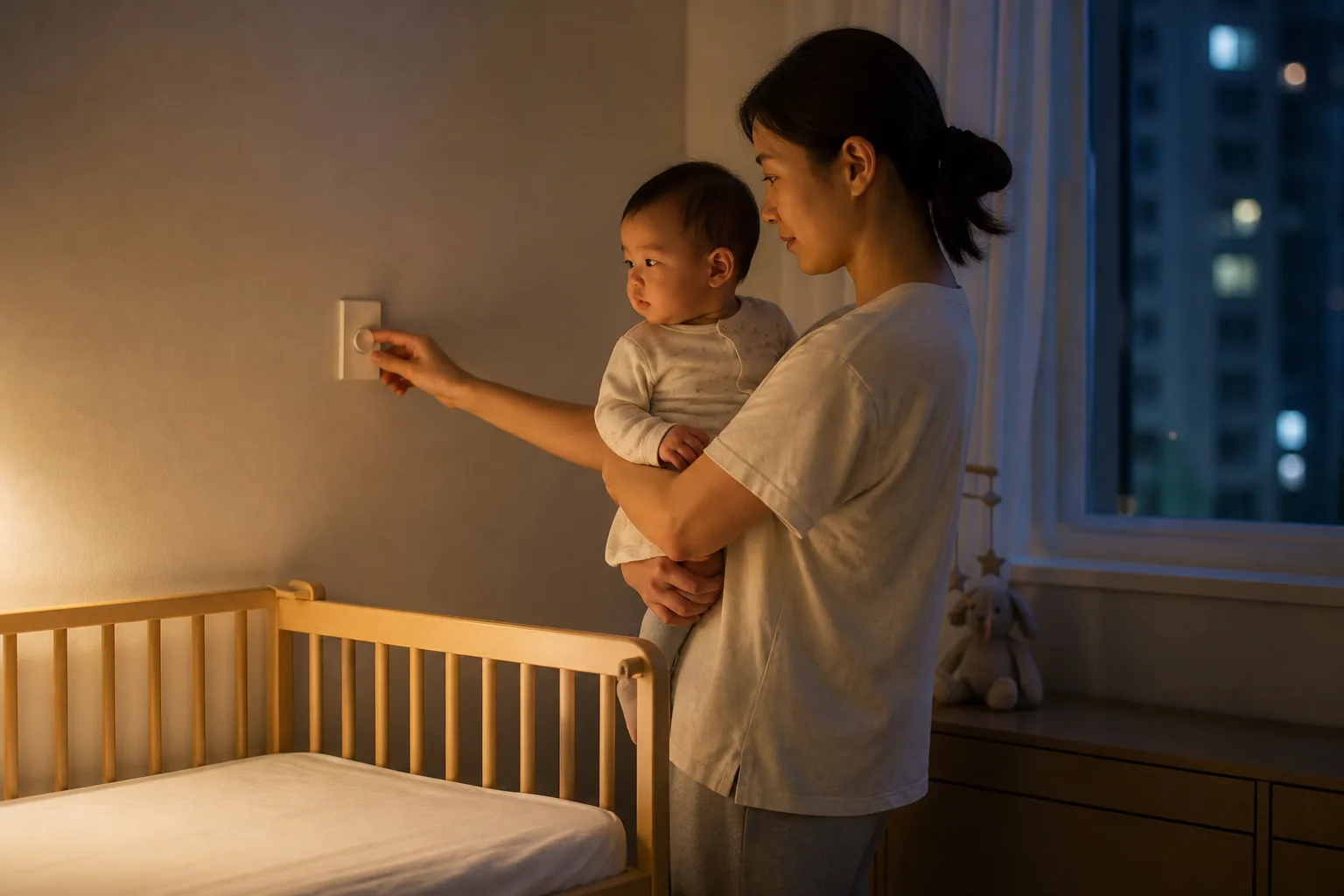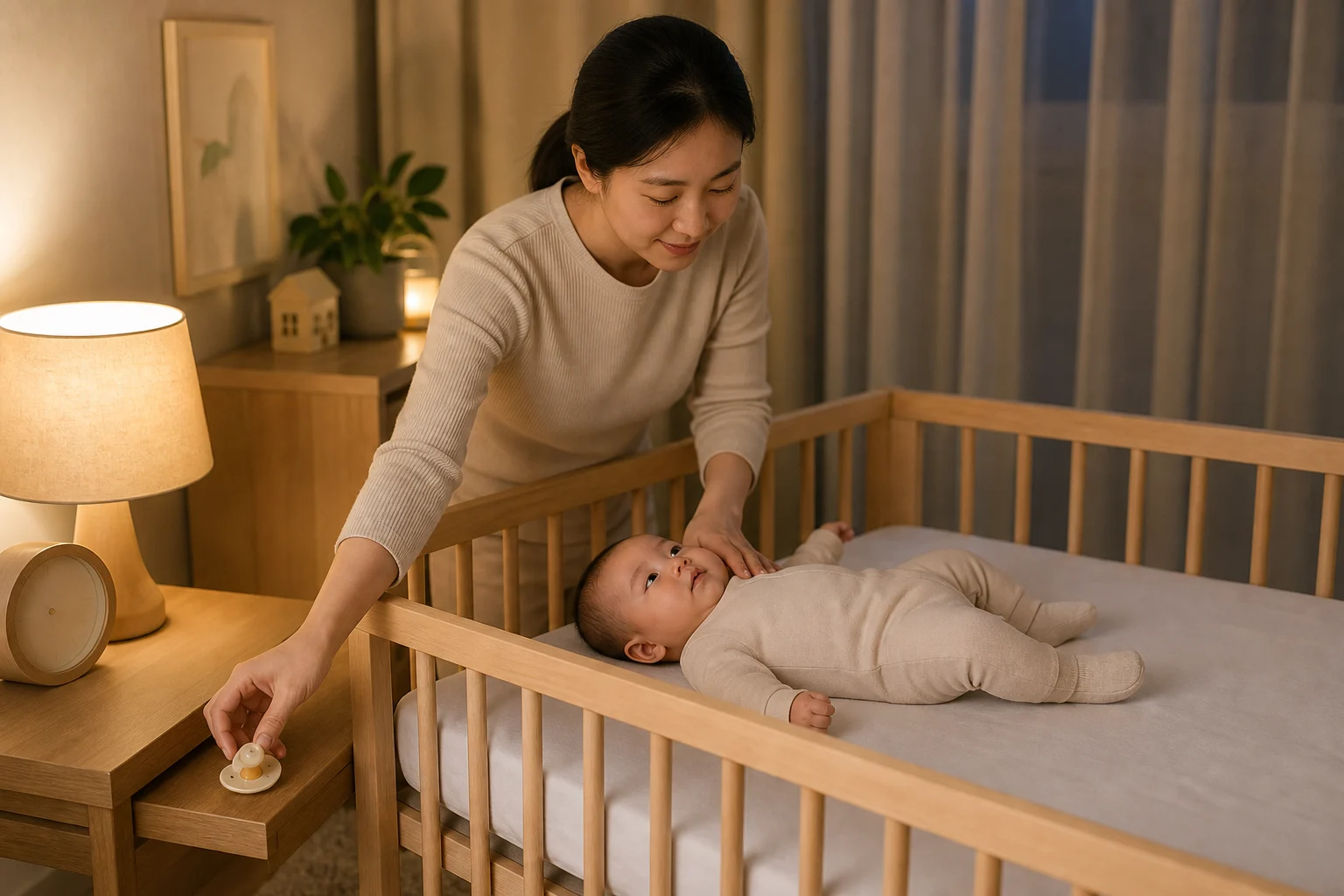
You may keep watching because you worry that your baby will wake every time the pacifier falls out. But replacing it throughout the night is not a required sleep task. Check the safe sleep space first. Separate offering the pacifier to an awake baby who wants it from leaving it alone when it falls out after sleep.
Key point
You may offer a pacifier at naps and bedtime. Do not force it if your baby does not want it, and you do not need to replace it after it falls out during sleep. Never tie it to the neck, hand, clothing, or crib with a cord or clip. A pacifier does not replace safe sleep practices, including placing a baby on the back on a firm, flat sleep surface made for babies and keeping the sleep space empty.
What to remember
- Offer a pacifier only while your baby is awake and wants it. You do not need to replace it after it falls out during sleep.
- Keep cords, clips, tape, and pacifiers attached to toys or blankets out of the sleep space.
- Follow your medical professional's guidance first for feeding, weight, prematurity, or oral health concerns.
You do not need to replace it after it falls out
Sudden infant death syndrome (SIDS) means the sudden death of a baby under 1 that remains unexplained after a thorough investigation. Offering a pacifier at naps and bedtime is linked to a lower risk of SIDS. But do not force it if your baby does not want it, and you do not need to replace it if it falls out after the baby falls asleep. Do not score sleep by how many times it falls out.
When an awake baby cries, there may be another reason, such as hunger, a diaper, pain, temperature, or the baby's usual need for feeding or comfort. Do not assume every nighttime waking is pacifier dependence or use a pacifier in place of feeding.
Keep pacifier use separate from safe sleep
Even when using a pacifier, place your baby on the back on a firm, flat sleep surface made for babies. Keep pillows, loose blankets, stuffed toys, and positioners out of the crib. A pacifier does not fully prevent SIDS or guarantee longer sleep.
A sleepy caregiver may keep searching for a fallen pacifier and risk falling asleep while holding the baby on a couch or armchair. Before bedtime, prepare for needed feeding, diaper changes, and asking for help. Keep the sleep space safe whether or not you use a pacifier.
Remove cords and clips at bedtime
Do not attach a pacifier to the neck, hand, clothing, or crib with a cord, clip, or tape. Keep pacifiers attached to a toy or blanket out of the sleep space too. Instead of finding a product that keeps it from falling out, use the safer rule that you do not need to put it back.
Before use, check that it has one-piece construction, fits the child's age, and has no discoloration, tears, or damage. Do not use a cracked or sticky pacifier. An adult should store it so a sibling cannot put it in their mouth or pull on it.
Check feeding and health conditions separately
For a breastfed baby, consider whether feeding is established and weight gain is appropriate when deciding when to introduce a pacifier. If your baby was born early or has feeding, oral health, or growth concerns, do not follow an internet schedule. Follow individual guidance from your baby's medical professional.
This article does not cover when to stop pacifier use or reduce nighttime feeding. If your baby eats less or shows signs of dehydration, pain, or illness, do not wait while changing sleep habits. Consult a medical professional.
If it falls out while your baby sleeps, leave it out
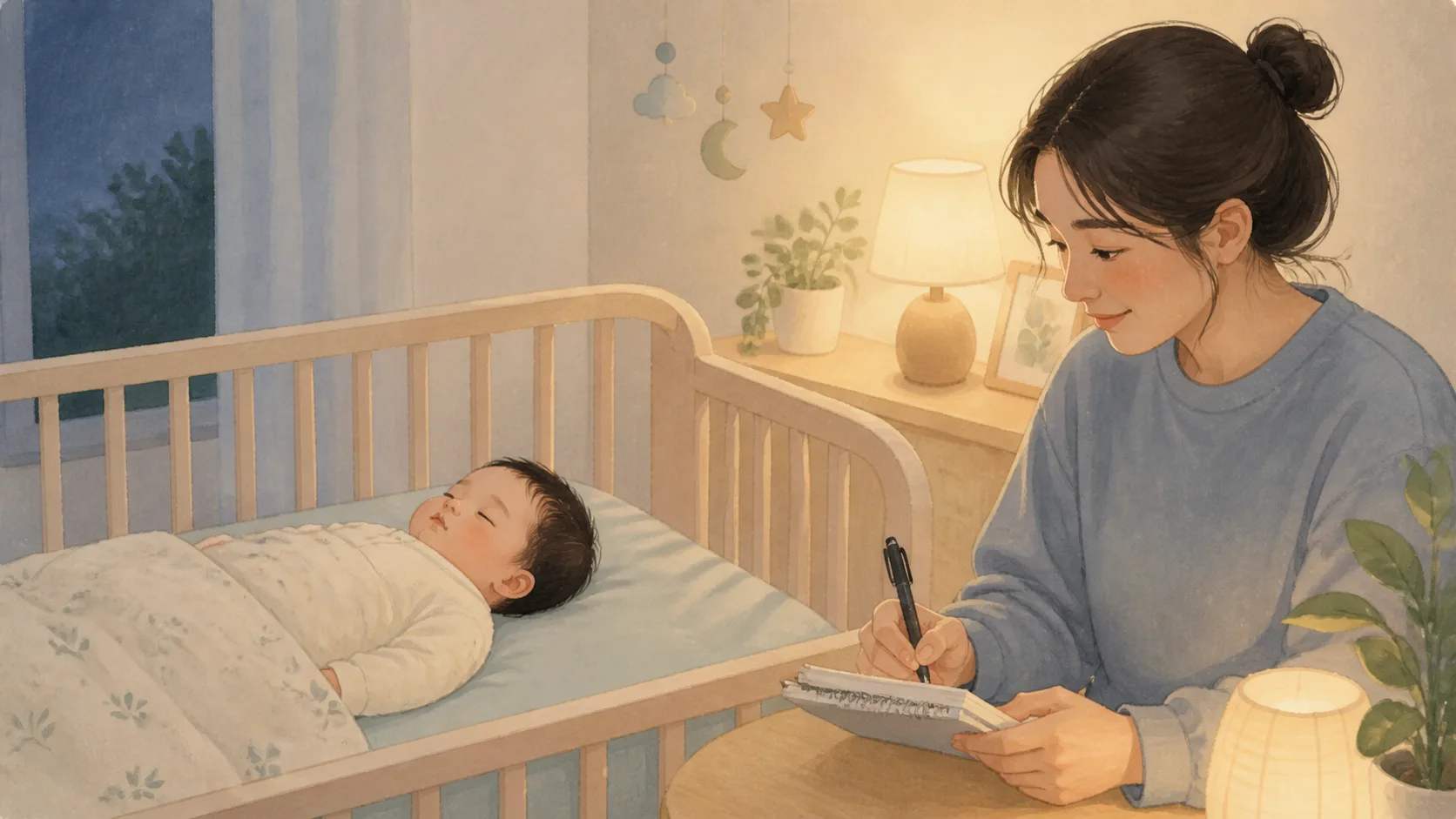
If your baby is awake and wants one, you may offer a clean, undamaged pacifier. If it falls out after the baby falls asleep, leave it out and do not add cords or other objects to the sleep space. If you need notes, record only facts to ask a medical professional about, such as feeding, health, or breathing concerns, rather than how often it fell out.
If breathing looks difficult, skin color changes, or your baby is hard to wake, get medical help immediately instead of looking for the pacifier. When safety concerns you, connect with another safe adult and medical support instead of watching alone all night.
Worksheet
Nighttime pacifier and safe sleep check
Check both what to do when the pacifier falls out and whether the sleep space is safe.
- While awake
- A clean, one-piece pacifier to offer if your baby wants it
- Falls out during sleep
- Leave it out and keep the sleep space empty
- Sleep space
- Back, separate firm surface, and no cords or attached objects
- Product check
- Age, damage, discoloration, and tears
- Medical questions
- Concerns about feeding, weight, prematurity, oral health, or breathing
Notes
- Do not tie or tape a pacifier to the neck, hand, clothing, or crib.
- Get medical help immediately for unusual breathing during sleep, a change in skin color, or difficulty waking your baby.
References
- NICHD: Definition of sudden infant death syndrome
- American Academy of Pediatrics: How to keep a baby safe during sleep
- American Academy of Pediatrics: Pacifier safety
- American Academy of Pediatrics: SIDS questions and concerns
This is general guidance for pacifiers and sleep safety. It does not replace diagnosis or treatment for feeding, growth, breathing, or oral health concerns.